
Where to Put a Humidifier in the Bedroom for Maximum Efficiency

Maintaining the ideal humidity level in your bedroom is one of the simplest yet most impactful ways to enhance both your health and overall comfort. A properly placed humidifier does more than just moisten the air—it can significantly improve air quality, ease breathing issues, reduce dry skin, and even relieve minor respiratory irritations. However, the real effectiveness of this helpful device depends largely on where you put it. Strategic placement ensures you get the maximum benefit, from better sleep quality to healthier indoor air.
In this guide, you’ll discover exactly where to put a humidifier in the bedroom for maximum efficiency so you can enjoy its full range of advantages with confidence.
Why Humidifier Placement Matters
Placing a humidifier in the correct location is crucial for maintaining balanced and consistent moisture levels throughout your bedroom. Proper positioning not only helps prevent structural issues like wall or ceiling damage due to excess condensation but also enhances the overall air quality, allowing you to enjoy its full health benefits.
On the other hand, setting the humidifier in the wrong spot can lead to problems such as mold buildup, uneven humidity distribution, or even over-humidification, which may harm your furnishings and indoor environment.
That’s why understanding basic airflow patterns and prioritizing safety considerations is essential when deciding where to put the humidifier in the bedroom for maximum efficiency.
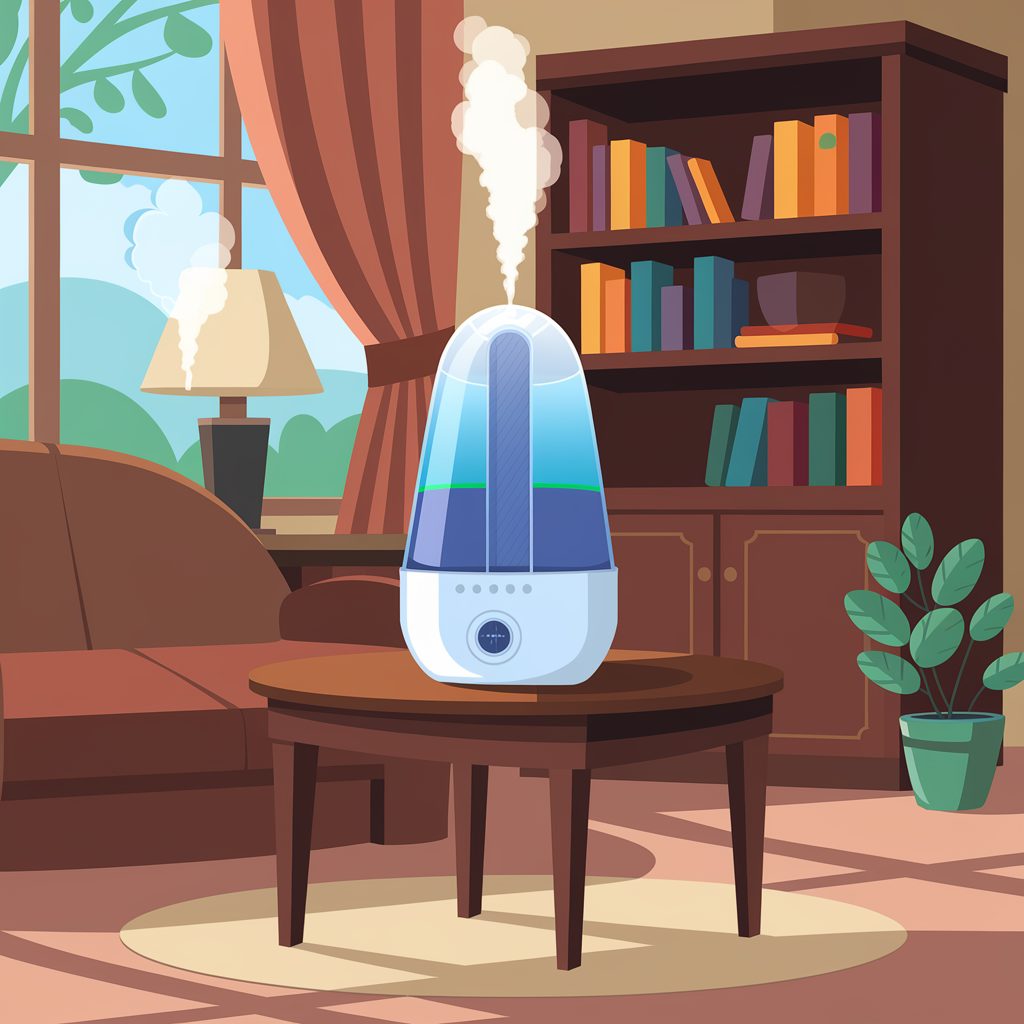
Best Locations for a Humidifier in the Bedroom
1. Bedside Table or Nightstand
Placing a humidifier on a nightstand or a small table beside your bed is widely considered one of the most effective positions for optimal performance. Elevating the unit to a height of about two to four feet above the ground allows the mist to disperse more evenly throughout the room, minimizing the chances of moisture settling on the floor or walls. This setup ensures that the air around you stays comfortably humid while you sleep, offering direct benefits like easier breathing and reduced dryness.
However, it’s important to maintain a minimum distance of about three feet between the humidifier and your bed. This helps avoid overly damp bedding and promotes both comfort and safety throughout the night.
2. Between Windows and Doors
Areas near windows and doors are often the driest parts of a bedroom due to constant airflow and drafts that reduce humidity levels. Positioning the humidifier between these points—rather than directly in front of or beside them—can help restore moisture balance in the air where it’s needed most.
This location supports better air circulation, allowing the humidified mist to reach parts of the room that are typically affected by dryness. It’s a practical strategy to counteract the effects of external air movement and maintain a consistent level of humidity, especially during colder months when indoor air tends to become particularly dry.
3. Central Location in the Room
To achieve the most balanced and effective humidity levels throughout your bedroom, placing the humidifier near the center of the room is a smart option. This central location allows the mist to disperse evenly in all directions, reaching every corner and reducing the chances of overly dry or overly damp zones.
However, while this setup promotes optimal air circulation, it’s important not to place the humidifier directly beneath the ceiling or on a high shelf close to it. Doing so can lead to condensation buildup and potential moisture damage to the ceiling or upper walls. Always aim for a well-ventilated, open space at mid-room level for the best results.
4. Near Plants
If your bedroom includes potted plants, placing a humidifier nearby can offer added benefits—not just for you, but for your greenery as well. Many houseplants thrive in environments with consistent moisture in the air, and the extra humidity can help them grow healthier, stronger, and more vibrant.
Positioning the humidifier close to your plants helps maintain a more natural and nurturing atmosphere, especially during dry seasons or in climate-controlled spaces where indoor air can become excessively dry. This setup also contributes to better overall air quality in the room, making your space more refreshing and inviting for both you and your plants.

Locations to Avoid
1. Corners and Close to Walls
It’s best to avoid positioning your humidifier in tight corners or directly against walls. These spots tend to trap moisture, creating stagnant areas where humidity can build up unevenly. Over time, this excess moisture can lead to problems such as mold growth, water stains, or damage to paint and wallpaper.
Additionally, placing the humidifier too close to a wall restricts the flow of mist, resulting in poor air distribution across the room. For the most effective and safe use, always ensure there’s enough space around the unit to allow for proper airflow and balanced humidity throughout the space.
2. On the Floor
Placing a humidifier directly on the floor is not recommended, as it can significantly hinder the device’s performance and pose potential risks. When positioned too low, the airflow is restricted, which limits the proper distribution of mist throughout the room. Additionally, placing the unit on the floor increases the chances of accidental spills or leaks causing water damage to flooring, carpets, or nearby furniture.
Elevating the humidifier on a stable surface—like a small table or stand—promotes better air circulation and ensures the moisture is dispersed more evenly, enhancing the overall effectiveness and safety of the device.
Conclusion: Key Takeaways
To get the best performance from your humidifier and maintain a healthy indoor environment, proper placement is essential. Always keep the device elevated—ideally between 2 to 4 feet off the ground—to ensure even mist distribution throughout the room. Avoid setting it close to walls, corners, or directly on the floor, as these locations can trap moisture and limit airflow, potentially leading to mold or water damage.
Instead, aim for well-ventilated spots such as a bedside table, the space between windows and doors, or near indoor plants. Also, consider the size of both your room and the humidifier to ensure full coverage. With thoughtful placement, your humidifier can significantly improve the air quality in your bedroom, helping you breathe easier, sleep better, and feel more comfortable every day.
Frequently Asked Questions
Can my humidifier stay directly on the floor?
It’s not recommended to place your humidifier on the floor. Doing so limits airflow and increases the risk of water damage from spills or condensation. It’s best to position it on a raised surface like a nightstand or small table.
How far away should it be from the bed?
Maintain at least a 3-foot gap between the humidifier and your bed. This helps ensure the air stays comfortably moist without making your bedding damp or creating an overly humid sleeping zone.
Is it safe to use a humidifier near a window?
Yes, placing a humidifier near a window can help balance out the dryness caused by drafts. However, be sure to keep it slightly away from the windowpane to avoid condensation forming on the glass.
What kind of humidifier is best for bedrooms?
Cool mist and ultrasonic humidifiers are ideal choices for bedrooms. They are quiet, energy-efficient, and effective at maintaining optimal humidity levels without producing heat, making them safe for nighttime use.
Can I run the humidifier all night?
Absolutely. Running the humidifier overnight helps maintain consistent moisture in the air, which can prevent dry skin, reduce respiratory discomfort, and promote better sleep quality.
Can I put a humidifier near electronics?
It’s important to keep the humidifier away from electronic devices. Excess moisture or accidental spills can damage your electronics, so choose a location that ensures a safe distance between the humidifier and any tech equipment.


