
What is a Standard Bedroom Size?

When it comes to designing a bedroom, one of the most critical aspects to consider is its size. The dimensions of the room play a vital role in ensuring that the space feels not only comfortable but also functional for everyday living. A well-sized bedroom offers more than just a place to sleep—it provides room for essential furniture, such as a bed, nightstands, and dressers, along with enough open space for movement and personal comfort.
A thoughtfully sized bedroom allows for both practicality and relaxation, enabling better organization and peaceful rest. So, the real question arises: what is considered a standard bedroom size?
Let’s explore the specifics to help you make smart and informed decisions when planning or updating your living space.
Standard Bedroom Sizes
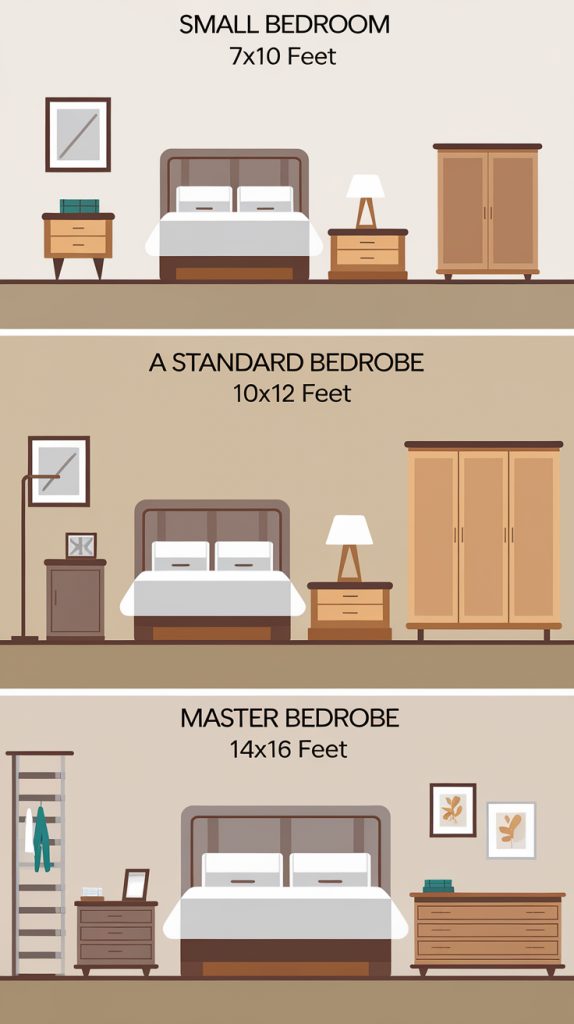
Small Bedrooms
In compact or space-constrained homes, small bedrooms are quite common and are typically defined by modest dimensions—often around 7×10 feet, which equals approximately 7 square meters. This is generally considered the minimum acceptable size for a legal bedroom in many areas, as it just meets the basic residential building requirements.
Rooms of this size are primarily functional, offering just enough space to fit a bed and perhaps a small dresser. However, due to the limited floor area, personal space is quite restricted, leaving little room for additional furniture or movement. These bedrooms demand creative layout solutions and minimalistic furnishings to maintain comfort without compromising on usability.
Standard Bedrooms
Typically, a standard bedroom falls within the size range of 10×10 to 12×12 feet, translating to roughly 150 to 200 square feet. These dimensions are commonly found in modern residential constructions, especially in urban apartments and average-sized homes, as they strike a practical balance between comfort and efficiency. A 12×12 foot bedroom, for instance, offers enough space to accommodate a queen-size bed, two nightstands, and even a dresser or a compact study desk without feeling cramped.
This layout allows homeowners to maintain functionality while preserving a comfortable amount of walking and breathing space. For many families, this size range provides the ideal mix of livability and cost-effectiveness, making it a popular choice in various housing designs.
Master Bedrooms
Master bedrooms, often referred to as primary or main bedrooms, represent the most spacious and luxurious sleeping quarters in a home. Typically, their size ranges from about 14×16 feet to 15×18 feet, which equals approximately 18 to 27 square meters. These rooms are designed not only to accommodate larger furniture—such as a king-size bed, nightstands, and dressers—but also often include additional features like a walk-in closet and an en-suite bathroom.
Because of their generous dimensions, master bedrooms usually take up a significant portion of the home’s overall floor plan. However, this extra space offers the benefit of creating a more comfortable and versatile living environment. It allows for a cozy seating area, personalized décor, and a relaxing, private retreat within the house.
| Room Type | Typical Size (ft) | Square Footage |
|---|---|---|
| Small Bedroom | 7 x 10 | 70 sq. ft. |
| Standard Bedroom | 10 x 12 | 120 sq. ft. |
| Large Bedroom | 12 x 14 | 168 sq. ft. |
| Master Bedroom | 14 x 16 | 224 sq. ft. |
Factors to Consider When Planning Bedroom Size
Furniture and Layout
When planning the size of a bedroom, one of the most important considerations is the type and quantity of furniture you intend to place in the space. For instance, a bedroom designed to fit a queen-size bed typically requires a minimum of 106 square feet just to accommodate the bed itself. However, when you add other essential furniture pieces like a closet, a nightstand, or a small desk, the space requirement increases.
In such cases, a comfortable layout would usually fall under 130 square feet to maintain adequate flow and functionality. Another key factor is clearance—the recommended minimum distance between the bed and the surrounding walls is about 30 inches. This allows for easy movement and accessibility around the room.
However, if you have the opportunity to allow more space, doing so will significantly enhance comfort and overall ease of use.
Purpose of the Room
While a bedroom is traditionally seen as a place for rest and relaxation, it can also serve multiple purposes, especially in modern homes where space is often limited. Beyond sleeping, many people use their bedrooms as multifunctional spaces that might include a home office setup, a mini gym area, or even an entertainment corner with a TV or gaming console.
If you plan to incorporate more than one activity—like working during the day and sleeping at night—your bedroom should be designed to accommodate these varied functions without feeling cluttered or overwhelming. This means considering additional space, proper furniture arrangement, and a thoughtful layout that supports productivity while still maintaining a peaceful and restful environment.
Legal Requirements
In many regions, there are specific legal standards that must be met in order for a room to be officially recognized as a “habitable” bedroom. These regulations typically require that the room be at least 7 feet in both width and length, creating a minimum square dimension to ensure usability.
Additionally, the space must feature at least one window that provides natural light and another for ventilation—both of which are usually outlined clearly in local building codes. If you’re considering renovating an existing property or constructing a new one, it’s crucial to consult your city or county’s building regulations. Following these codes not only ensures the room’s legal compliance but also guarantees safety, comfort, and long-term livability.
Conclusion
Every homeowner has unique preferences and needs when it comes to choosing the size and shape of a bedroom, often driven by lifestyle, available space, and intended use. Some may prioritize compact and efficient layouts, while others might prefer larger, more luxurious setups with ample room for furnishings and personalization. Standard bedrooms generally provide a practical balance of comfort and functionality, making them suitable for most families.
On the other hand, master bedrooms offer an opportunity to enjoy additional space that can accommodate multiple uses, such as a seating area, vanity, or private workspace. That said, even the smallest bedrooms can feel cozy, inviting, and highly functional with clever planning and smart design strategies. Ultimately, it’s all about making the most of your available space while maintaining comfort and livability.
Frequently Asked Questions
What is the legal minimum bedroom size?
The minimum legal size for a bedroom is typically 7 feet in both width and length. Additionally, building codes often require that each bedroom include at least one window of a specific size that provides natural light and ventilation. However, it’s important to check local codes, as requirements may differ by city or region.
What is the ideal size of a bedroom for a queen bed?
For a queen-size bed, the room should be at least 10×10 feet to fit comfortably. For added furniture like dressers or desks, a room size of 10×12 feet or larger is generally more practical and spacious.
What is the standard size of a master bedroom?
A standard master bedroom usually measures between 14×16 and 15×18 feet. However, it can be even larger depending on your home’s layout and your personal furniture needs.
Can a small bedroom feel spacious?
Absolutely! With the right design approach—such as using light color palettes, minimalistic furniture, and smart storage solutions—even a small bedroom can feel airy, open, and well-organized.
Can you feel comfortable in a 10×10 bedroom?
Yes, a 10×10 bedroom can be very comfortable, especially when furnished with a twin or full-size bed along with essential items. While it might feel tight with a queen bed, proper layout and thoughtful furniture choices can still make it cozy and functional.


