
Share Bedroom for Kids: 50 Design Ideas and Tips

Designing a shared bedroom for kids is a unique challenge that blends both artistic flair and scientific precision. It’s not just about placing furniture and picking colors—it’s about curating an environment that shapes young minds while meeting everyday practical needs.
A child’s surroundings have a profound influence on their emotional and psychological development, especially in today’s fast-paced world where children are maturing quicker than ever. A thoughtfully designed shared space doesn’t just optimize room layout; it becomes a sanctuary that encourages harmony, sparks creativity, and nurtures sibling bonds.
By paying attention to both aesthetics and functionality, parents can create a bedroom that supports their children’s growth, both as individuals and as a team sharing a common space.
Creating a Functional Layout
The foundation of a successful shared bedroom design for kids begins with a strategic layout that thoughtfully maximizes every inch of available space while ensuring a high level of comfort. One of the smartest approaches is to incorporate multifunctional furniture—like loft beds that provide an elevated sleeping area and create room underneath for desks or storage. Similarly, pull-out trundle beds offer a convenient sleeping solution without occupying permanent floor space.
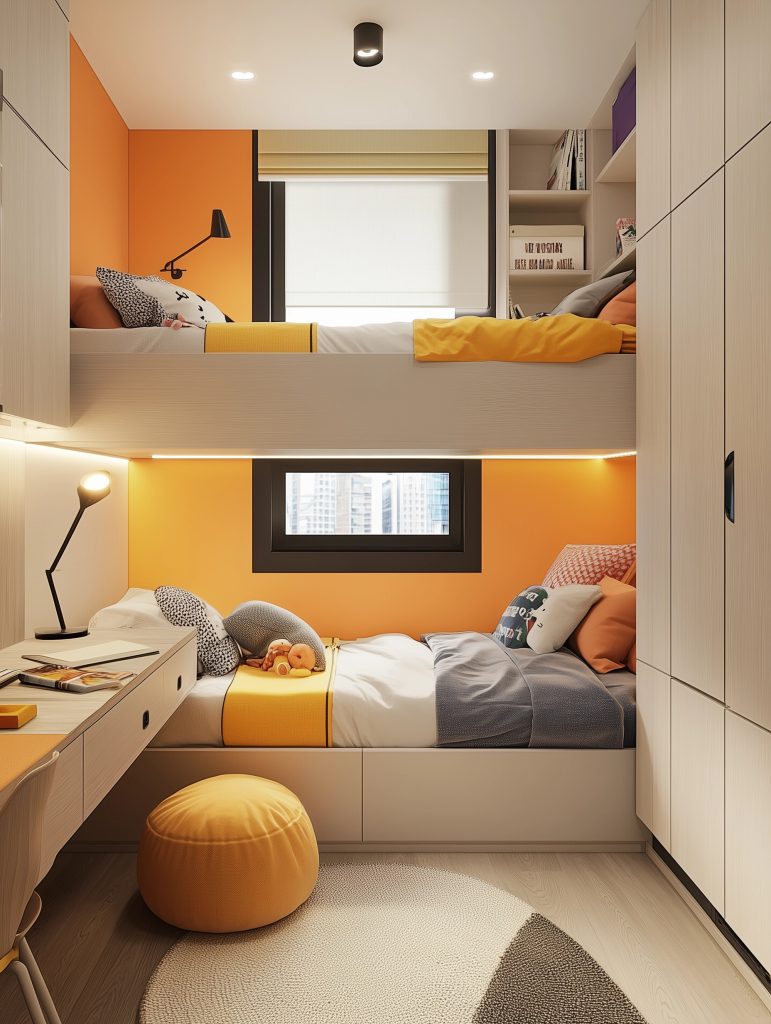
To maintain a well-structured environment, it’s helpful to zone the room into distinct areas for sleeping, studying, and playing. Each section should be clearly defined yet seamlessly integrated into the overall design. Additionally, it’s important to maintain clear walkways throughout the room, allowing both children to move around comfortably and safely without feeling cramped or restricted.
Choosing a Color Scheme
The color palette plays a crucial role in setting the tone of a shared bedroom for kids, helping to create an atmosphere that is both cohesive and inviting. Choosing the right colors can transform the room into a shared space that feels unified yet still reflects the unique personalities of each child. Starting with a base of neutral tones provides a calm and versatile backdrop.
From there, you can introduce pops of color through accents that resonate with each child’s character—whether it’s bold splashes of red or gentle hints of blue or green. Soft pastel hues are especially effective in creating a soothing and balanced environment, while brighter accents can bring a lively, cheerful energy into the space.
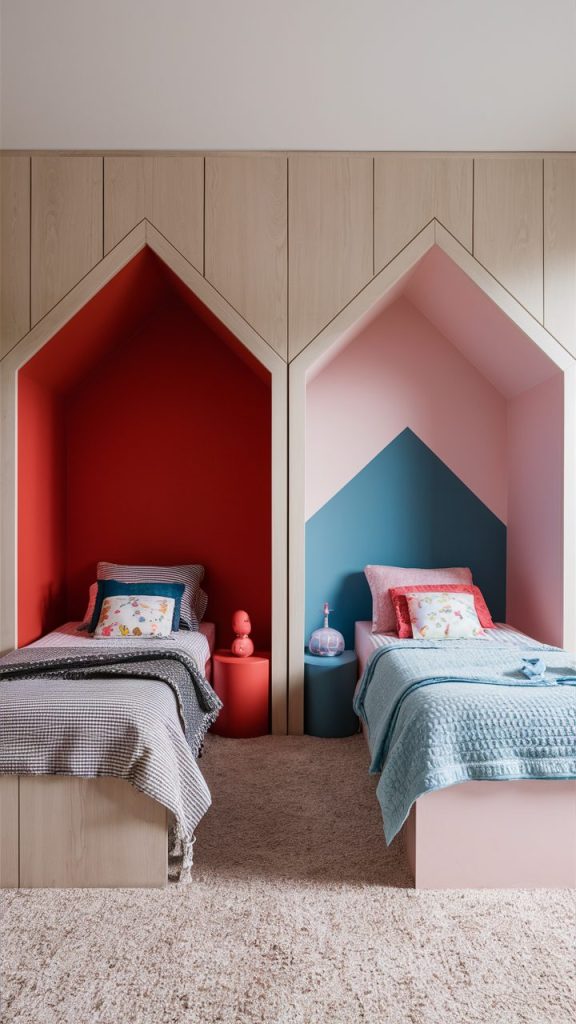
It’s important to ensure that all the colors work harmoniously together without clashing or becoming visually overwhelming, allowing the room to remain pleasant and enjoyable for both children.
Maximizing Small Spaces
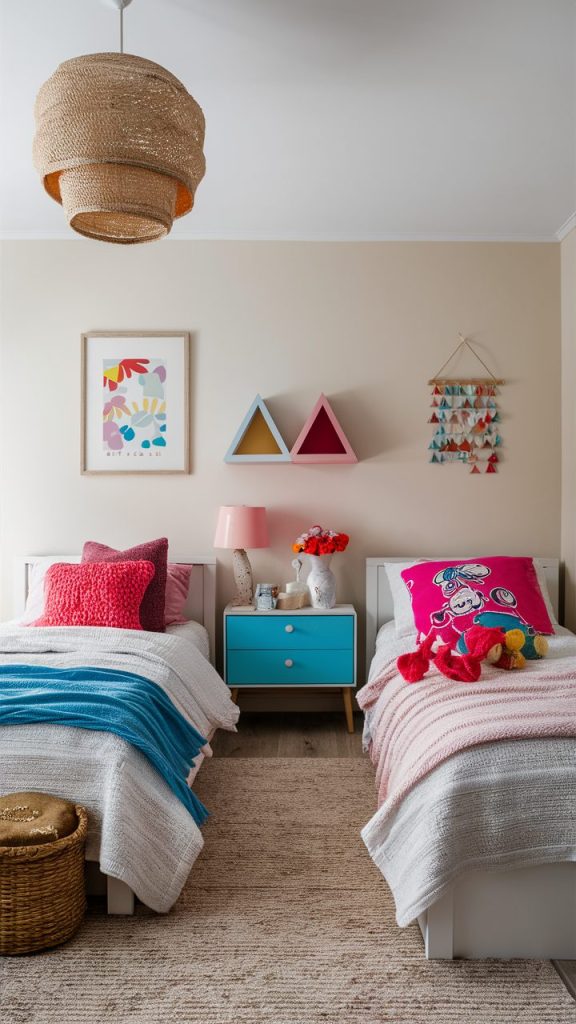
Working with limited space in a shared bedroom for kids often sparks creativity and innovative design solutions. When floor area is tight, vertical storage becomes essential—tall shelves, wall-mounted units, and bunk beds are excellent choices for freeing up valuable room.
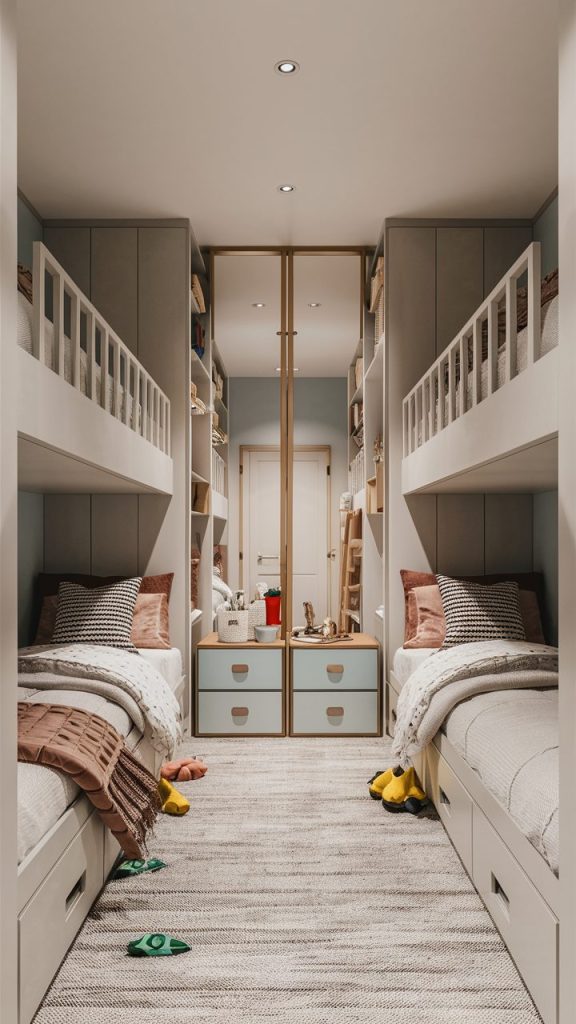
Utilizing the space beneath beds for storage is another practical strategy; bins, drawers, or baskets can neatly hold toys, clothes, and other belongings, keeping the floor clear and organized. Incorporating light colors throughout the room helps create an airy feel, making the space seem larger and more open.
Mirrors can also enhance this effect by reflecting light and visually expanding the area. Choosing furniture that doubles as storage, such as beds with built-in compartments or benches with hidden sections, ensures that every corner is used efficiently, making the room both functional and tidy for two growing children.
Incorporating Bunk Beds
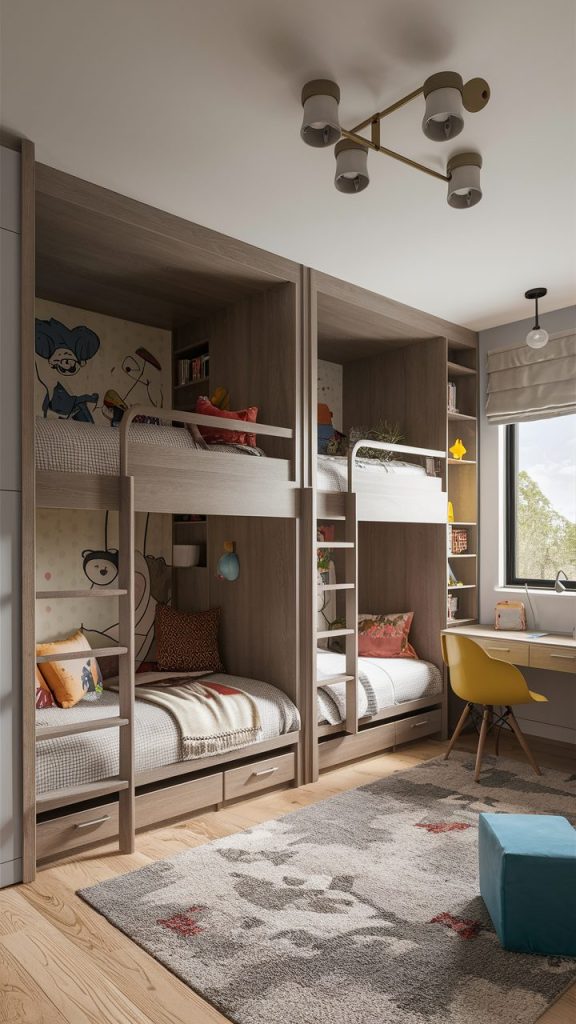
Bunk beds are a staple solution in the design of a shared bedroom for kids, offering a clever way to free up floor space without sacrificing comfort or functionality. These beds come in a wide variety of styles and configurations, often featuring built-in extras such as desks, shelves, or even playful elements like slides or mini play zones. This multifunctional design not only saves space but also adds layers of practicality and fun.
Safety, of course, is paramount—bunk beds must be securely anchored to ensure stability, and guardrails should be in place to prevent any mishaps during sleep or play. When themed creatively, bunk beds can even become a standout feature in the room—transforming into castles, treehouses, or space shuttles that ignite imagination while maintaining their functional role in a compact living area.
Storage Solutions
Effective storage strategies are key to maintaining a neat and organized shared bedroom for kids, especially when it doubles as a play space. A clutter-free environment not only looks better but also helps children stay focused and relaxed. Modular storage units are a smart choice because they can be tailored to fit different layouts and adjusted as needs change over time. Wall-mounted shelves are particularly useful for saving floor space while providing easy access to frequently used items.
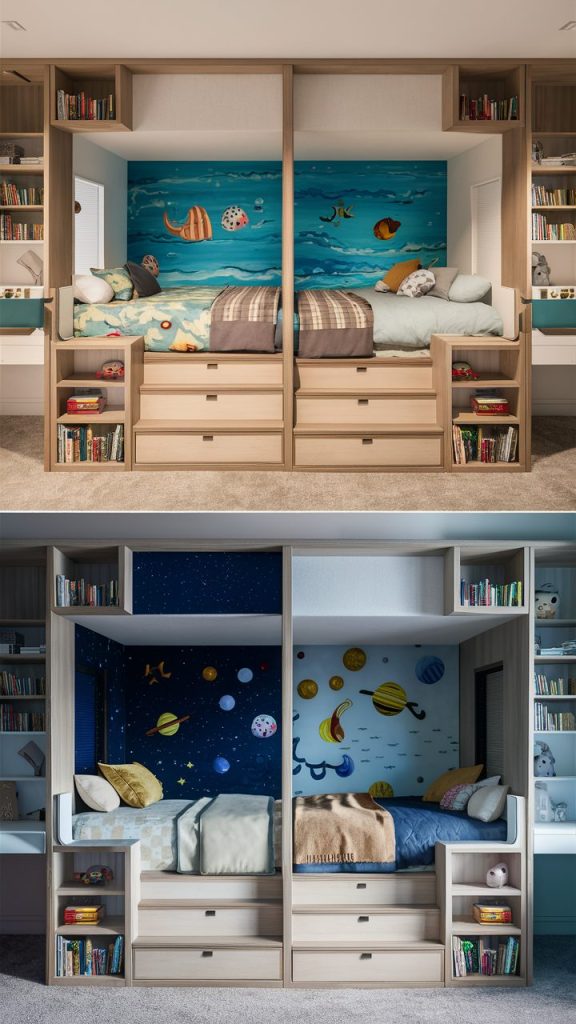
Essential storage elements include toy chests, labeled bins, and under-bed drawers, which help sort and store toys, clothes, and miscellaneous belongings neatly. Clearly labeled containers not only make cleanup easier for children but also teach them how to keep their belongings in order, fostering good habits in a fun and practical way.
Smart Technology Integration
Incorporating smart technology into a shared bedroom for kids can significantly boost both productivity and day-to-day convenience. Modern solutions like smart lighting systems, which can automatically adjust brightness based on activities such as studying, playing, or sleeping, help create an adaptive and comfortable atmosphere. Voice-controlled assistants can assist children with tasks like setting alarms, checking the weather, or even helping with homework—adding both educational and functional value.
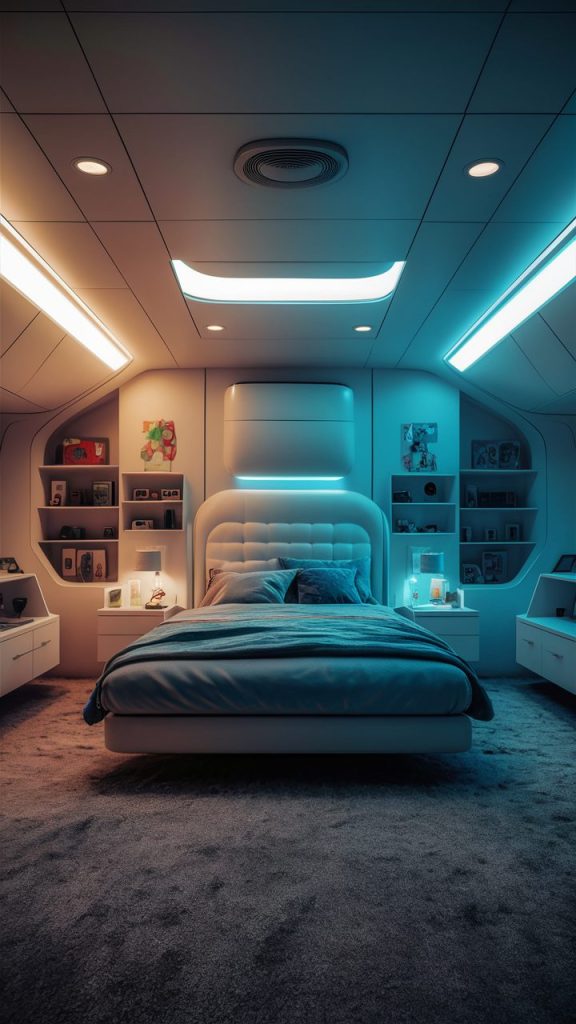
Programmable thermostats also ensure the room stays at a cozy temperature, tailored to the children’s preferences and routines. When integrating these technologies, it’s important to choose user-friendly options and make sure they are safe and easy for kids to operate. The goal is to create a tech-enhanced space that benefits everyone in the family, while prioritizing the needs and safety of the children.
American Style in the Bedroom for Two Boys
An American-style shared bedroom for two boys often embraces classic themes like stars and stripes or the timeless red, white, and blue color palette. These patriotic touches can be incorporated through wall art, bedding, and decorative accents, creating a unified and energetic theme. Sports motifs—like framed jerseys, posters of favorite teams, or sports equipment used as decor—are also popular choices that bring personal flair and excitement to the space.
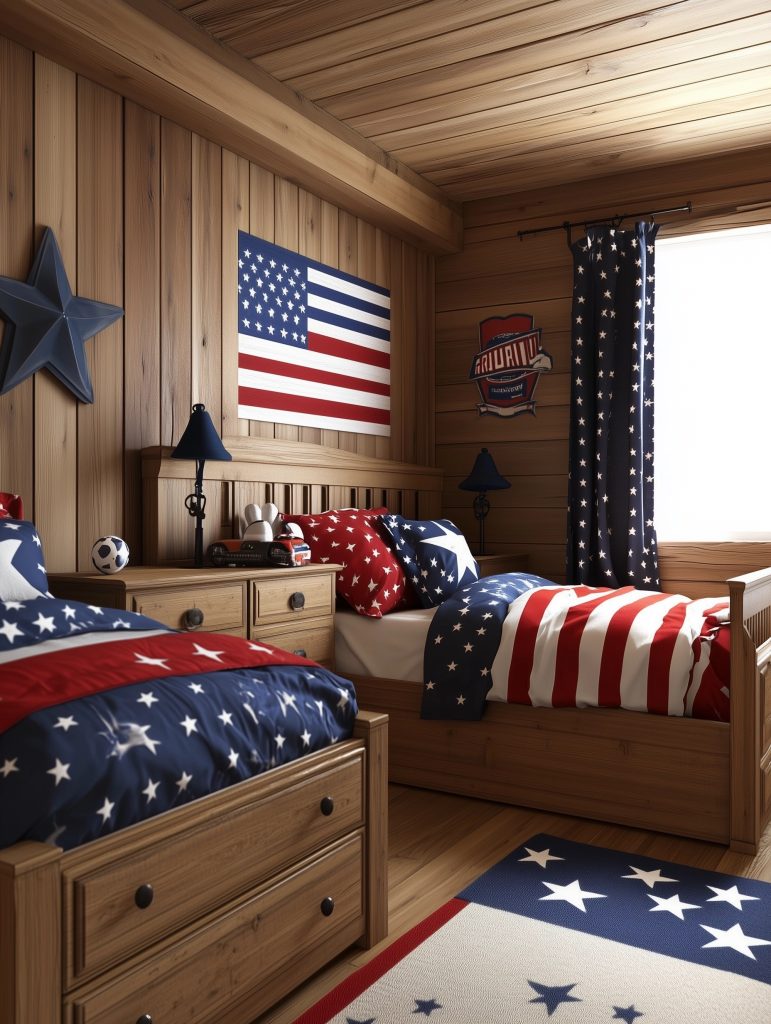
Solid, durable wooden furniture enhances the room’s practicality while contributing to a rustic, grounded aesthetic that feels both cozy and functional. This design approach balances visual appeal with utility, offering a sturdy and inspiring environment where boys can relax, play, and express their interests.
Girls’ Bedroom in Romantic Style
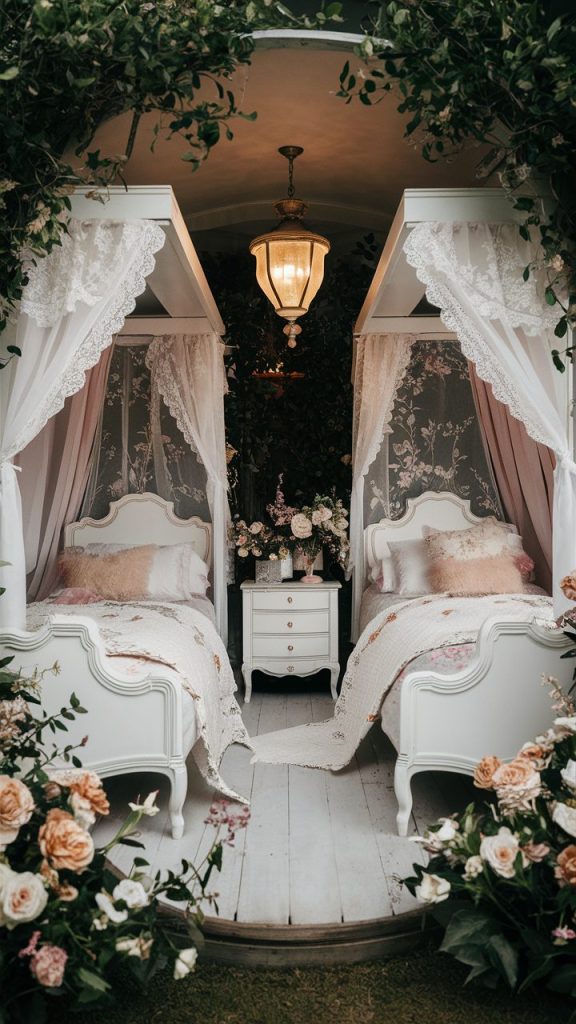
A romantic-style bedroom for girls offers a delicate and dreamy atmosphere, perfect for creating a peaceful and imaginative shared space. Soft, pale colors such as blush pinks, creamy whites, and pastel lavenders form the foundation of this design, complemented by floral patterns that add a gentle, feminine charm. Furniture should carry just the right amount of detail—elegant yet subtle—with pieces like curved dressers, ornate mirrors, and vintage-style vanities.
Canopy beds draped with sheer fabric, lace-trimmed curtains, and vintage-inspired accessories help transform the room into a whimsical retreat that feels lifted straight from a fairytale. To add a hint of luxury without overwhelming the space, consider incorporating accents of gold or silver through lighting fixtures, picture frames, or hardware.
Altogether, this style fosters a serene and enchanting environment where young girls can feel relaxed, inspired, and at home.
Nautical Style in the Bedroom for Two Boys
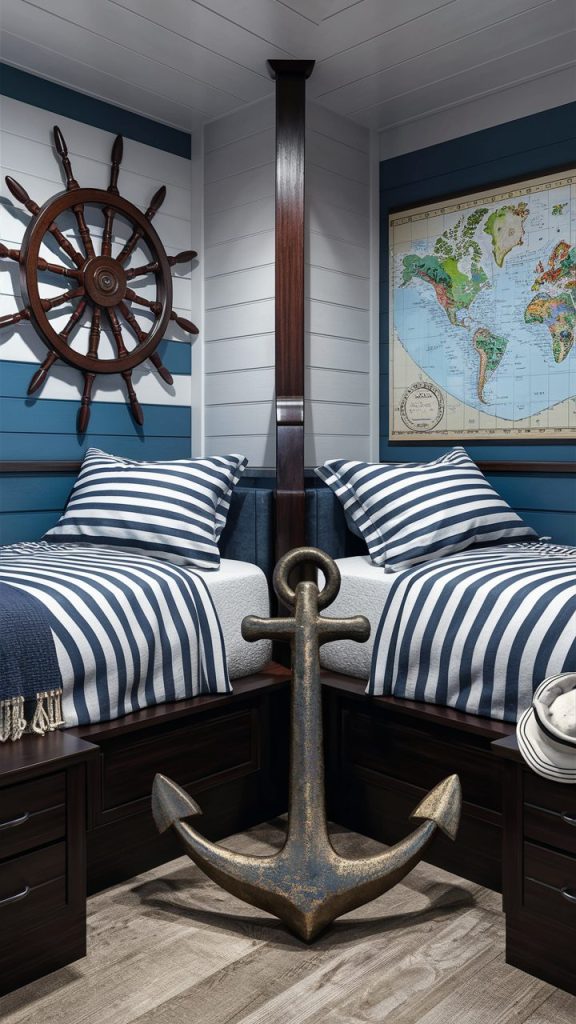
A nautical-themed bedroom for two boys brings the spirit of the sea right into their shared space, sparking a sense of adventure and imagination. A base palette of crisp blue and white sets the tone, while accents in red and navy add boldness and depth to the overall look.
Classic nautical elements such as ship wheels, anchors, ropes, and striped bedding contribute to the maritime atmosphere, making the theme both playful and visually cohesive. For furniture, dark wood pieces work beautifully, evoking the sturdy elegance of old ships and complementing the room’s oceanic vibe.
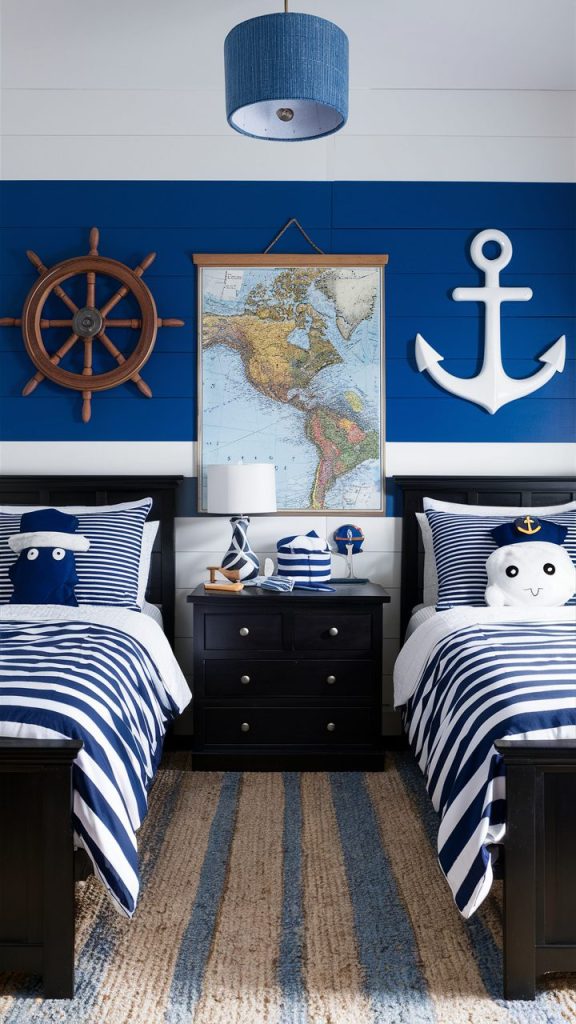
Decorative items like vintage maps, sailor hats, and ocean-themed artwork complete the look and help cultivate an environment where curiosity and a love for exploration can thrive. This design isn’t just about decor—it’s about creating a space where imagination sets sail.
Girls’ Bedroom in Fairy Tale Style
Creating a fairytale-inspired bedroom for girls offers the perfect opportunity to turn their shared space into a magical world full of wonder and imagination. Start with a gentle palette of pastel hues—lavender, blush, mint, and sky blue—that sets a dreamy and soothing foundation. Incorporate whimsical furniture with delicate curves and charming details, adding elements that feel straight out of a storybook. Sheer drapes flowing over canopy beds, soft fairy lights strung across the room, and floral patterns on bedding or wallpaper all contribute to the enchanting ambiance.
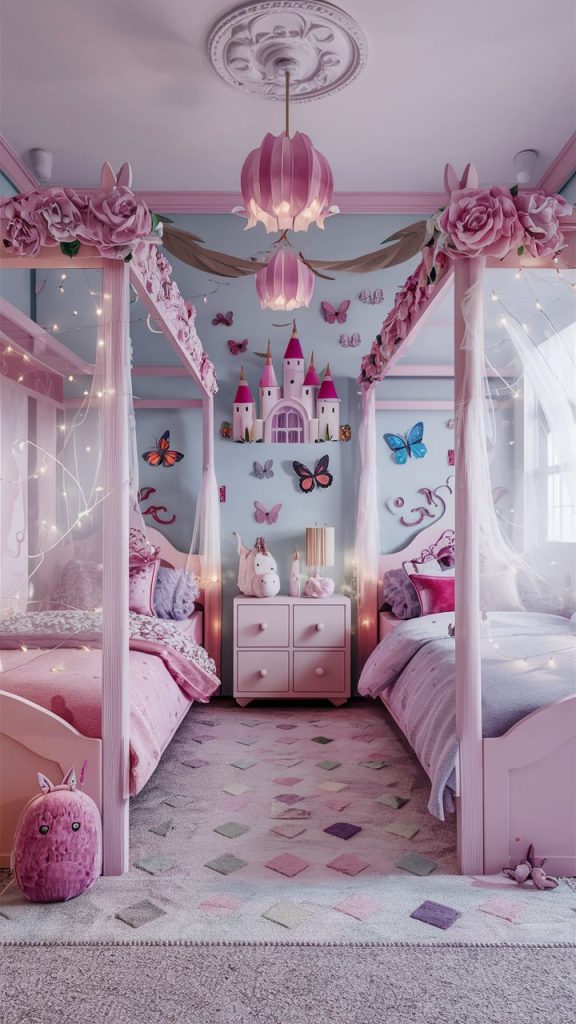
Add imaginative touches like unicorn figurines, butterfly wall decals, and castle-themed accents to spark creativity and play. These thoughtful details help build an environment where fantasy thrives, encouraging storytelling, imaginative play, and a sense of comfort that little girls cherish in their own personal sanctuary.
Space Bedroom for Boys
A space-themed shared bedroom for boys can ignite their curiosity about the universe and transform their room into an interstellar adventure zone. Begin with a dark color palette—navy, charcoal, or midnight blue—to mimic the vastness of outer space. Enhance the celestial mood with starry night murals, glow-in-the-dark stars on the ceiling, and wall decals featuring planets and rockets.
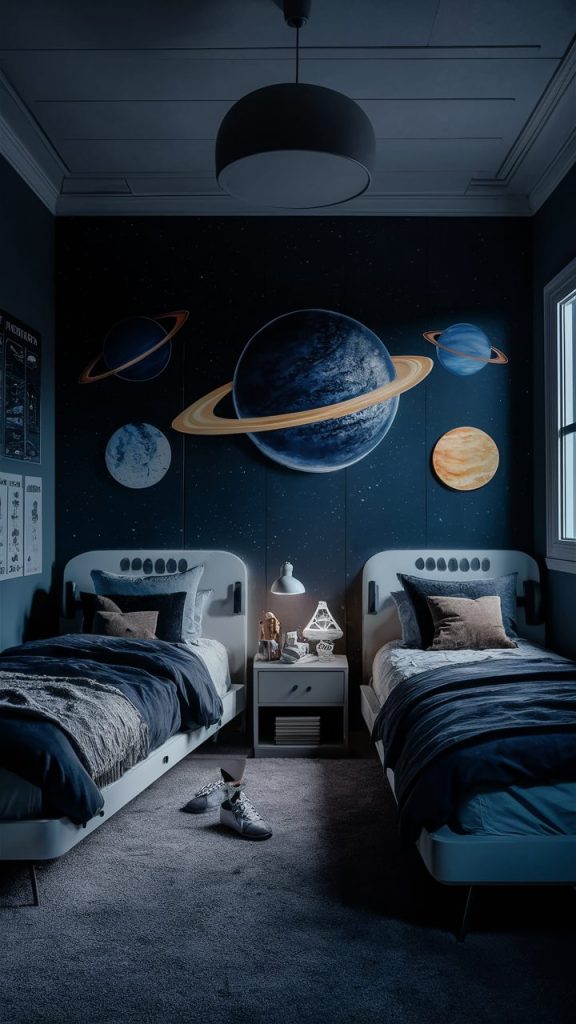
Furniture designed to resemble parts of a spaceship or command station adds a playful and immersive touch, turning ordinary pieces into imaginative tools for cosmic exploration. To make the theme both fun and educational, include informative posters about the solar system, astronauts, and space missions. This approach not only brings science closer to daily life but also encourages learning through play, making the room a perfect blend of inspiration and entertainment.
Provence Style Room for Girls
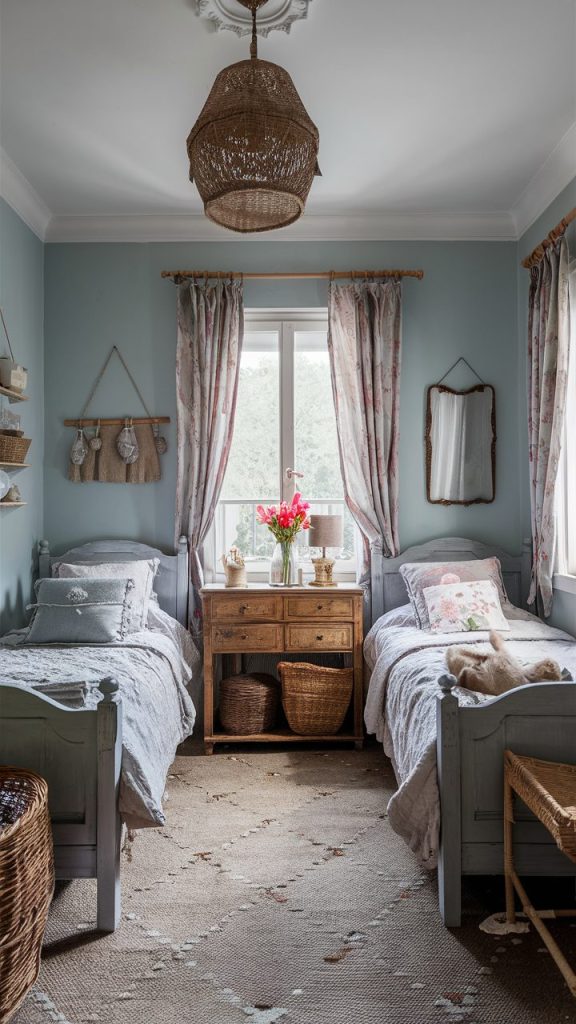
A Provence-style bedroom for girls blends the charm of vintage elegance with the natural beauty and simplicity of French countryside living. This design is rooted in soft, serene colors—think delicate rose petal pinks, mint greens, and creamy whites that bring warmth and light into the space. To capture the authentic Provence aesthetic, choose furniture with a distressed finish and intricate yet delicate detailing.
These elements add a timeless feel that’s both rustic and refined. Complement the look with decor inspired by nature, such as floral-printed fabrics, wicker baskets, and antique-style accessories that evoke a sense of nostalgia.
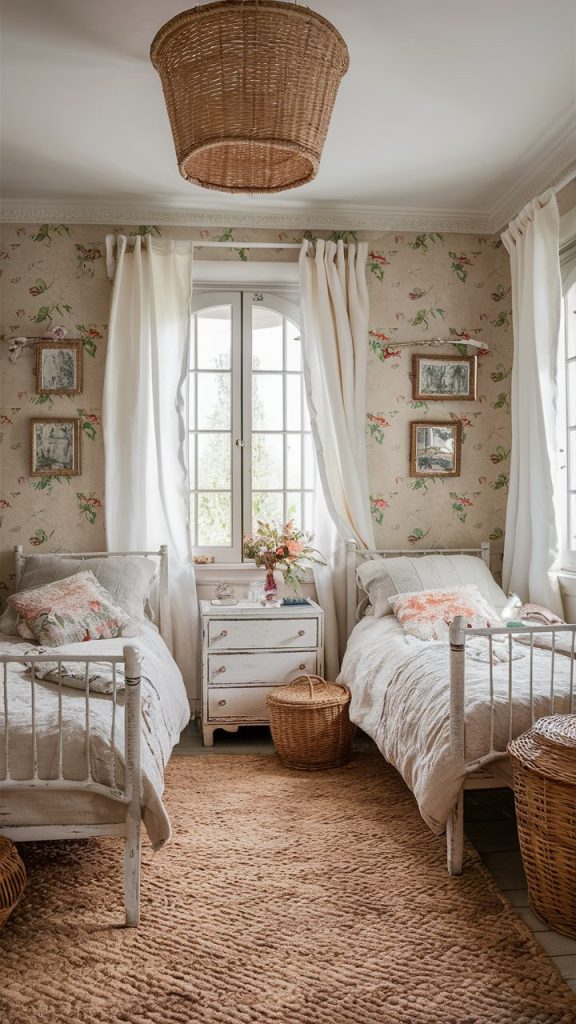
Light linens, wooden textures, and soft lighting further enhance the cozy, romantic mood. The result is a peaceful, picturesque room that feels like a gentle escape to a countryside cottage—ideal for a young girl’s restful and imaginative retreat.
Zoning a Room into a Bedroom and a Nursery
When designing a shared bedroom for a baby and an older sibling, it’s essential to find ways to reduce distractions and create distinct zones that cater to each child’s needs. A thoughtful solution is to use room dividers, curtains, or hanging fabrics to visually and functionally separate the nursery area from the older child’s section. This approach allows the baby to rest peacefully without being disturbed by playtime or other activities.
Each zone should be furnished and decorated appropriately— the nursery might include a crib, changing table, and decor in calming, soft tones, while the older sibling’s side can feature a small bed, a study desk, and brighter, more stimulating colors. By clearly defining the two areas, the room becomes a more organized and harmonious space where both children can thrive according to their developmental stages.
Themed Bedroom with Favorite Cartoon Characters
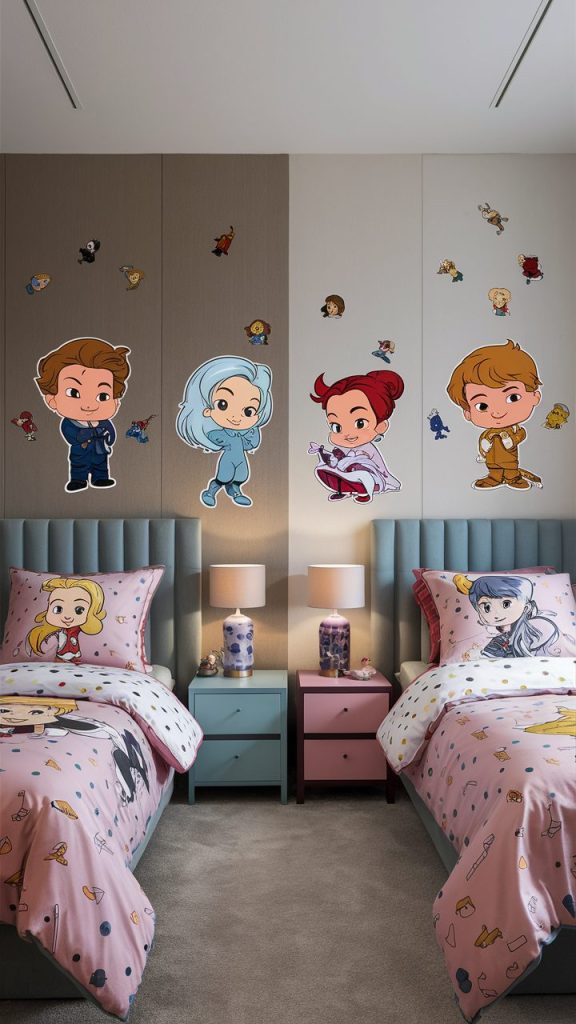
Designing a children’s room around their favorite cartoon characters adds a playful and immersive touch that makes bedtime feel exciting rather than routine. Character-themed bedding, cozy blankets, and accessories featuring familiar faces from beloved animated series can instantly bring the space to life, turning it into a fun and comforting retreat.
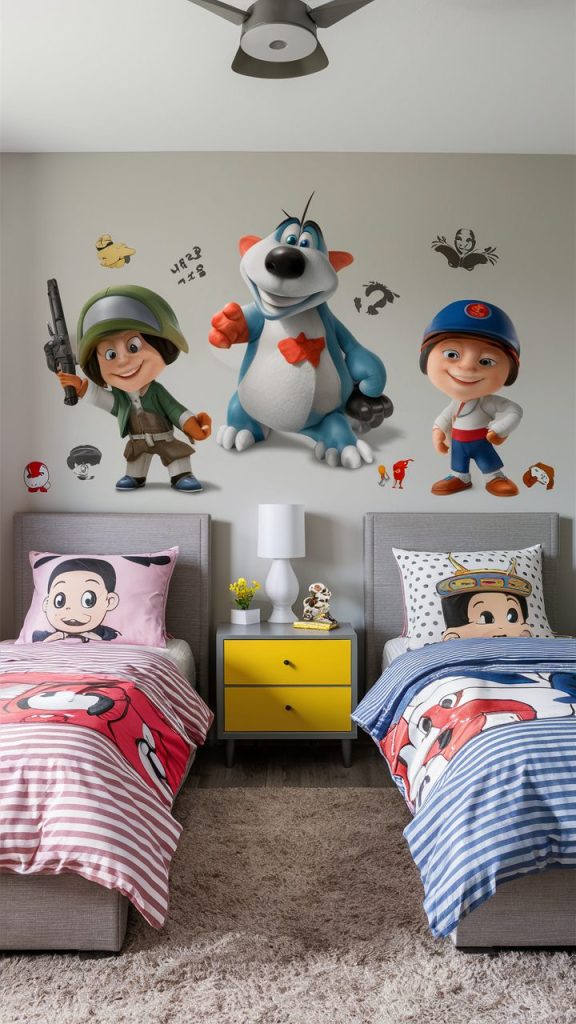
To keep the room visually balanced, blend bold, solid-colored elements with themed decor, avoiding visual clutter while maintaining the magic. Posters, figurines, and other collectibles related to their favorite shows can be displayed in a neat and curated way, creating a mini world that connects their imagination to the stories they love. This thoughtful combination of themed design and functional layout helps craft a space that feels personal, vibrant, and truly magical for any child.
Cozy Reading Nooks
Creating a peaceful reading nook within a shared bedroom offers children a dedicated space for quiet time, helping them unwind, read, or simply relax away from the busier parts of the room. Comfortable seating is key—options like bean bags, cushioned lounge chairs, or a cozy window bench lined with soft pillows can make the area inviting and restful. Thoughtful lighting enhances the ambiance; consider using floor lamps, string lights, or soft-glow lamps to create a warm, soothing environment perfect for reading.
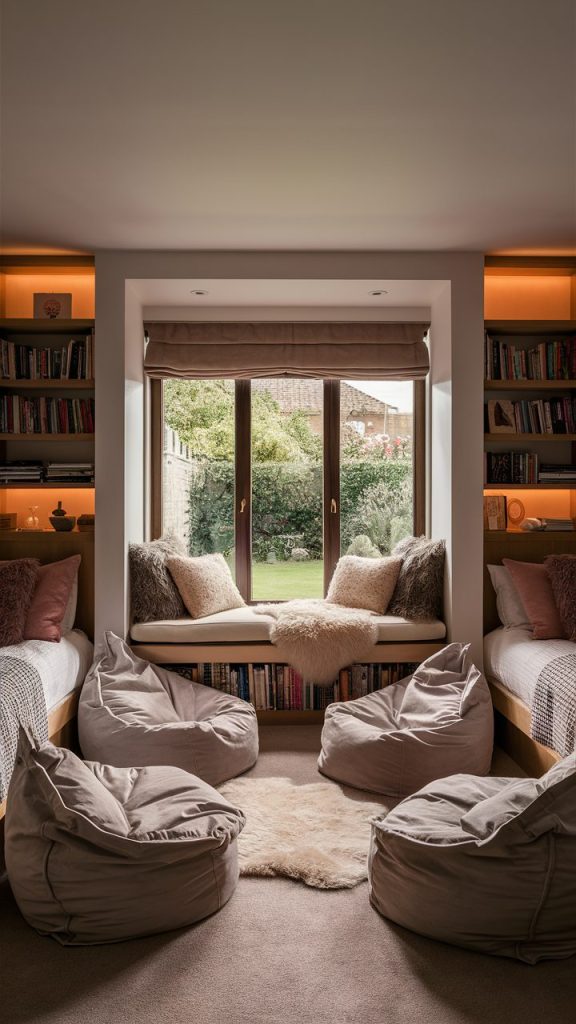
Add a small bookshelf stocked with age-appropriate books, mixing both children’s favorites and a few more advanced titles to encourage growing interests. To complete the space, include soft rugs underfoot and a few green plants to add a natural, calming touch. This quiet corner not only promotes relaxation but also encourages good reading habits and personal downtime.
Desk and Study Areas
Incorporating dedicated study and work zones within a shared bedroom helps foster a sense of routine and responsibility in younger children. Clearly defined workstations encourage focus and make it easier for kids to transition into study mode. Compact desks equipped with organized drawers and shelves offer practical storage for school supplies, books, and creative tools.
Choosing ergonomic chairs ensures that children maintain good posture during homework or reading sessions, while access to natural light enhances concentration and reduces eye strain. It’s also important to provide a quiet, low-distraction corner to support their learning process.
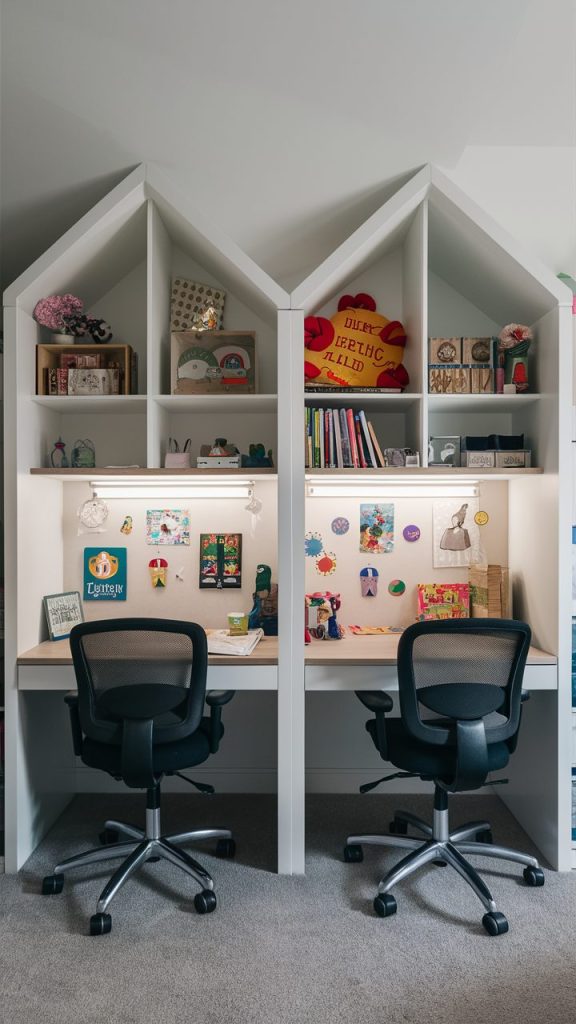
To personalize the space, allow each child to decorate their area with items they love—like favorite colors, motivational quotes, or small decor pieces. This not only boosts their sense of ownership but also creates a space that reflects their individuality within the shared room.
Incorporating Educational Elements
Adding educational elements to a shared bedroom enhances the space by turning it into a place of both rest and discovery. Simple touches like a colorful world map, alphabet chart, or science-themed posters on the walls can spark curiosity and create a learning-rich environment. Including a small chalkboard or whiteboard gives children a space to practice writing, doodle creatively, or work through problems in a fun, informal way.
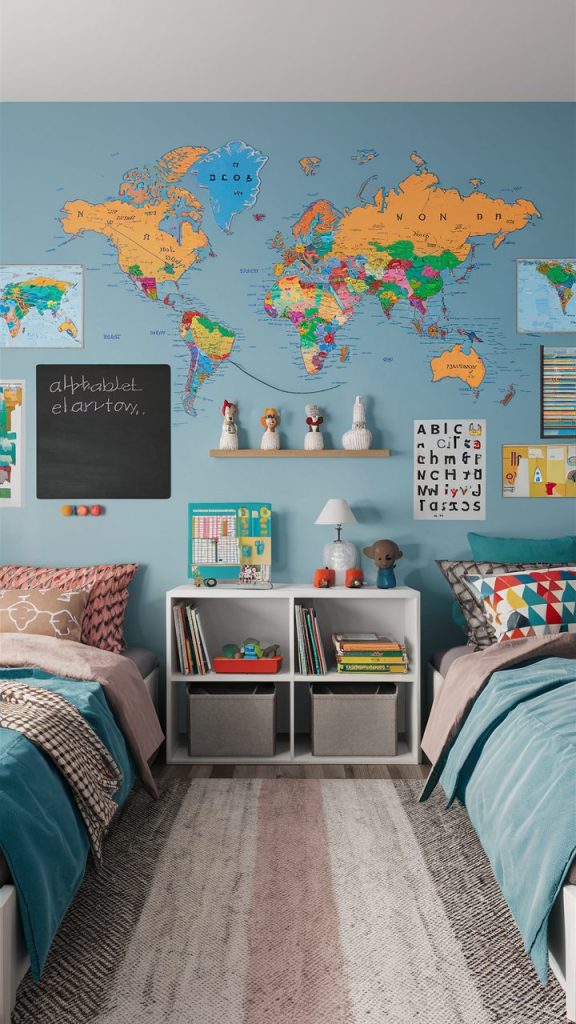
A well-stocked bookshelf with a mix of entertaining and educational reads—alongside puzzles, flashcards, and hands-on learning tools—encourages kids to engage with knowledge in their everyday surroundings. By integrating these elements seamlessly into the room’s decor, learning becomes an enjoyable and natural part of daily life, helping children develop their minds while sharing a space designed for growth and inspiration.
Gender-Neutral Designs
Opting for a gender-neutral design in a shared bedroom creates a balanced and inclusive environment that works well for children of any gender. A neutral color palette—featuring shades like beige, soft gray, or white—provides a calm backdrop, while accent colors such as green, yellow, and orange can add warmth and vibrancy without leaning toward traditional gender cues.
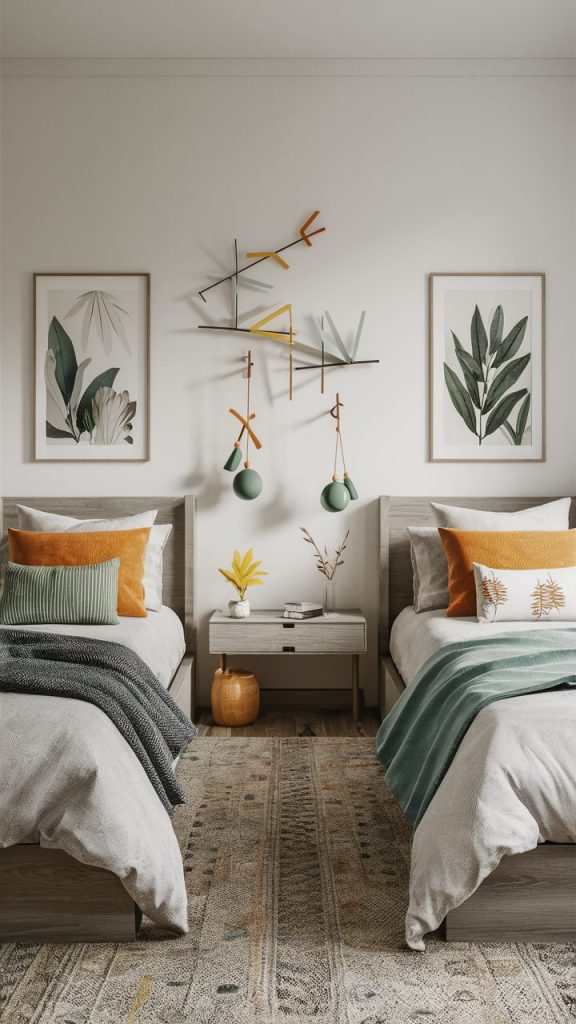
Furniture choices should focus on functionality and simplicity, avoiding overly themed or stylized items that may not appeal to both children. Incorporate decor elements like geometric patterns, wooden textures, and nature-inspired accessories to add visual interest in a way that feels universal. This type of design not only promotes harmony in a shared space but also makes it easier to adapt the room as the children grow or their tastes evolve.
Themes for Shared Rooms
Selecting a unified theme for a shared bedroom helps bring the entire space together, making it feel well-organized and thoughtfully designed. Popular themes like animals, outer space, or adventure can serve as the foundation for creative decor that excites and inspires both children.
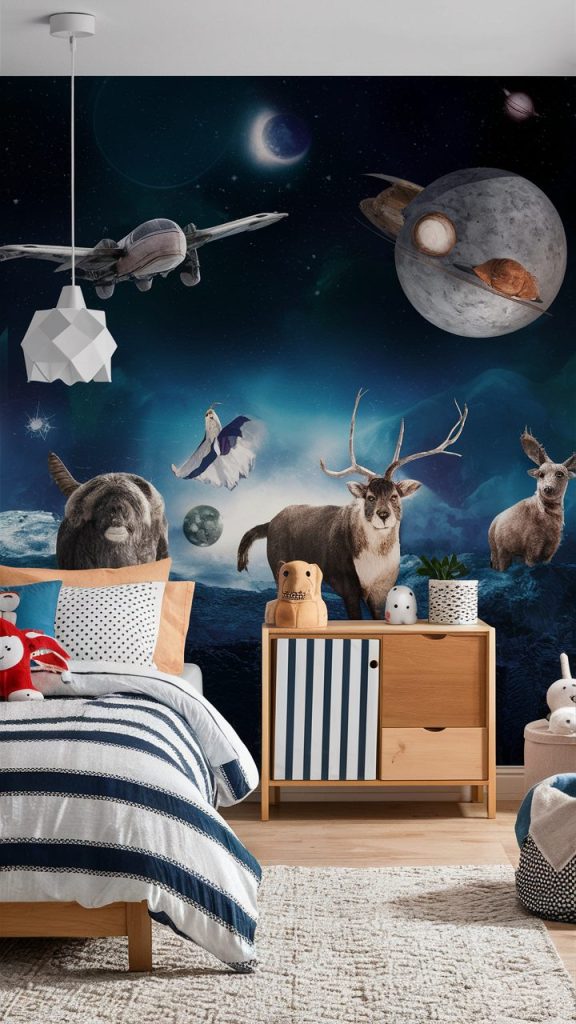
When a theme is chosen wisely, it provides a clear direction for choosing bedding, wall art, and decorative accessories—ensuring that all elements in the room complement each other. Whether it’s jungle animals, astronauts, or treasure maps, a strong theme makes the room more engaging and personal. It also allows kids to immerse themselves in an imaginative world that reflects their interests, making the shared space not only functional but also fun and emotionally meaningful.
Practical Furniture Choices
In a shared bedroom, choosing the right furniture becomes essential for making the most of the available space while ensuring the room remains functional and comfortable. Pieces like bunk beds and loft beds are ideal solutions, as they free up floor area and allow for additional activities such as studying or playing. Versatile furniture that can transform—like a desk that also functions as a shelf or a bed with built-in storage—adds efficiency without cluttering the room.
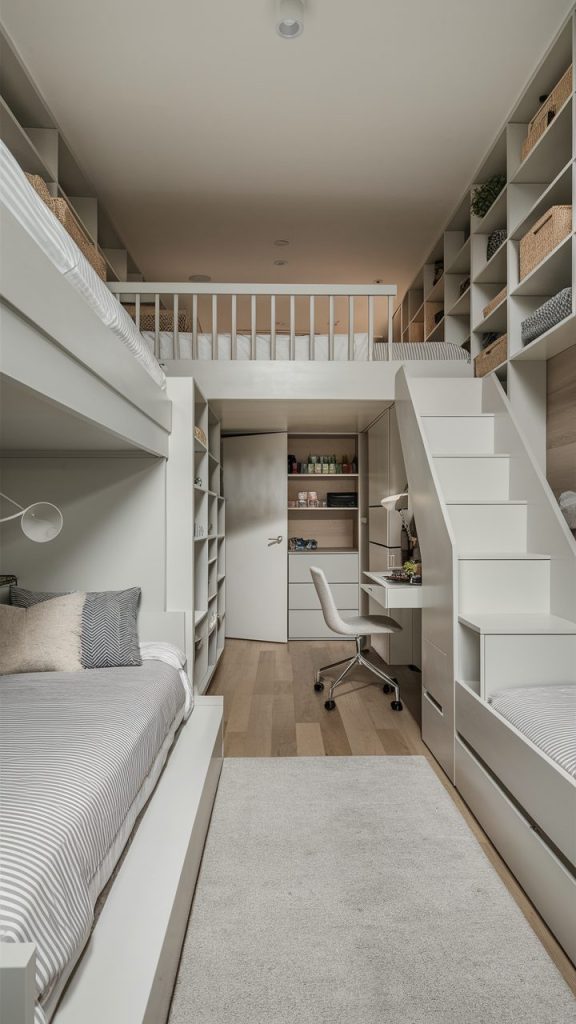
When selecting furniture, it’s important to prioritize durability and safety, ensuring that items can withstand daily use while being child-friendly. Look for options with rounded edges, sturdy frames, and ample built-in storage, so everything from clothes to toys has its designated place. This smart approach to furnishing supports both organization and everyday convenience in a room shared by growing children.
Lighting Solutions
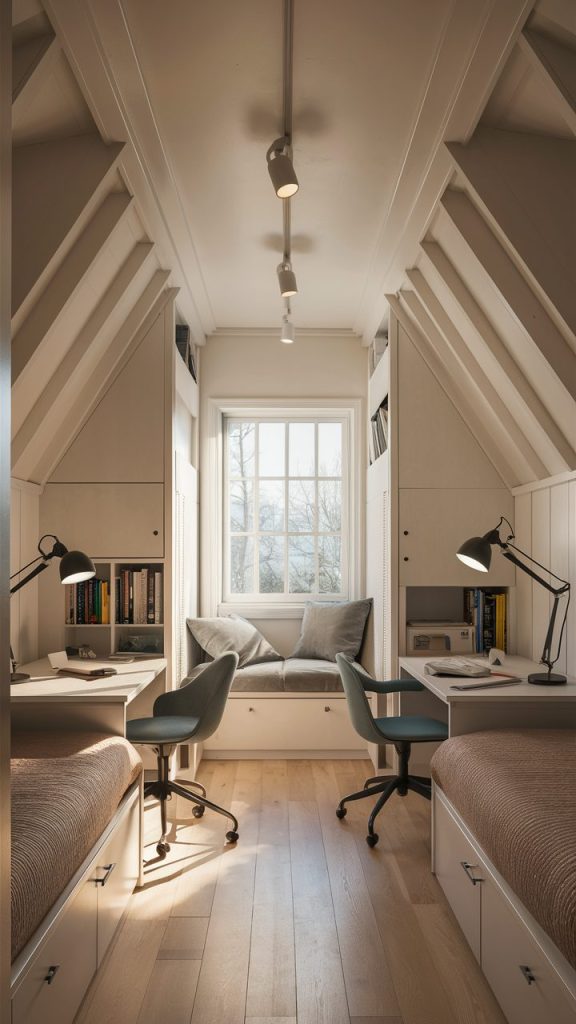
Proper lighting is a critical component in a shared bedroom, helping to create a space that’s both practical and inviting. A layered lighting approach works best—combine ceiling lights for general illumination, task lighting for study areas, and ambient lighting to set a relaxing mood. Desk lamps or wall-mounted lights are perfect for focused activities like reading or homework, while soft, warm lights such as string lights or dimmable fixtures help ease into a restful evening routine.
Adjustable-height lamps and dimmer switches give you flexibility to tailor the brightness to different tasks and times of day. It’s important to ensure each child has access to individual lighting in their personal space, allowing them to control their own comfort and stay focused when needed. Well-planned lighting not only enhances functionality but also adds to the overall comfort and mood of the room.
Wall Decals and Stickers
Wall stickers and decals offer a fun, affordable, and versatile way to add personality to a shared bedroom. Available in a wide range of designs—from whimsical nature scenes to beloved cartoon characters—these decorative elements can easily reflect each child’s unique tastes. One of their biggest advantages is flexibility; as children grow and their interests change, the decals can be removed or swapped out without damaging the walls.
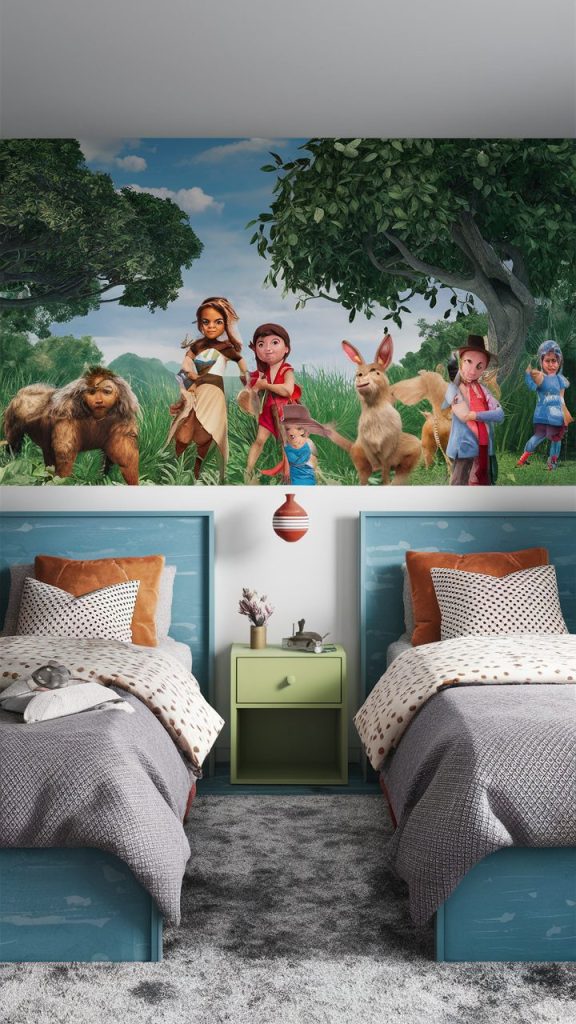
Look for high-quality, removable vinyl stickers that adhere smoothly and peel off cleanly, leaving no residue behind. This makes it simple to refresh the room’s look over time without needing a full makeover. Whether used to define personal spaces or enhance the overall theme, wall decals are a creative tool for customizing a shared space in a way that feels fun and completely child-centered.
Utilizing Under-Bed Storage
Utilizing under-bed storage is an effective way to make the most of every square foot in a shared bedroom. This often-overlooked space can be transformed into a practical storage zone by placing bins, drawers, or rolling carts beneath the beds. It’s a smart spot to stow away items like clothes, books, toys, or seasonal accessories—keeping them out of sight while still easily accessible when needed.
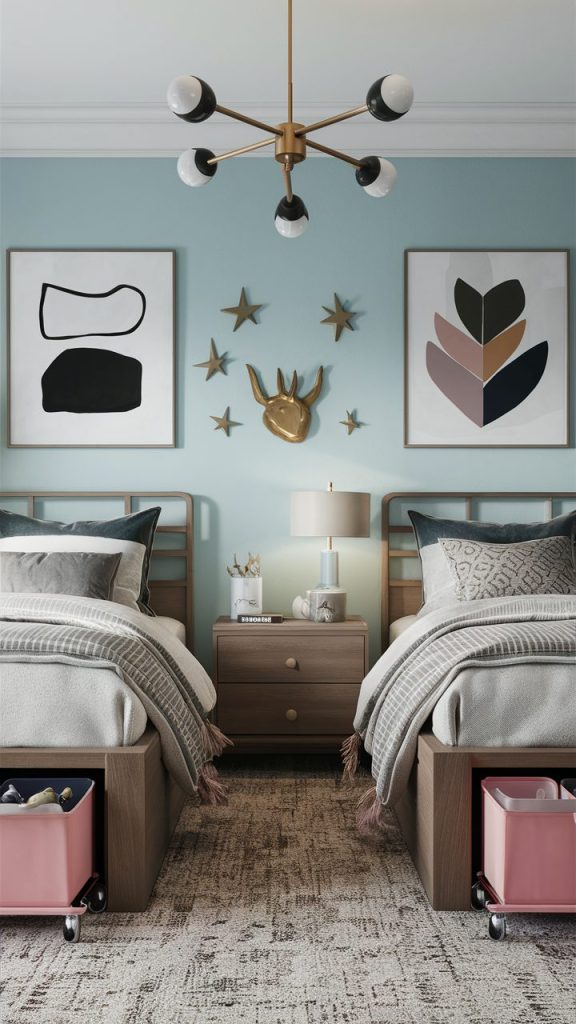
This not only helps keep the room tidy but also frees up valuable floor space for play or movement. To maintain a cohesive look, choose storage containers that match or complement the room’s existing color scheme and decor style. Whether it’s wooden drawers, fabric bins, or plastic boxes with fun labels, coordinated under-bed storage enhances both the functionality and visual harmony of the space.
Room Dividers for Privacy
In a shared bedroom, room dividers are an excellent solution for giving each child a sense of privacy and personal space. These dividers can be created using various materials such as curtains, open bookshelves, folding screens, or even fabric panels, depending on the room’s layout and style.
Not only do they visually separate the space, but many dividers can also double as functional features—serving as extra storage, display shelves, or decorative elements. This dual-purpose design helps maintain order without adding clutter.
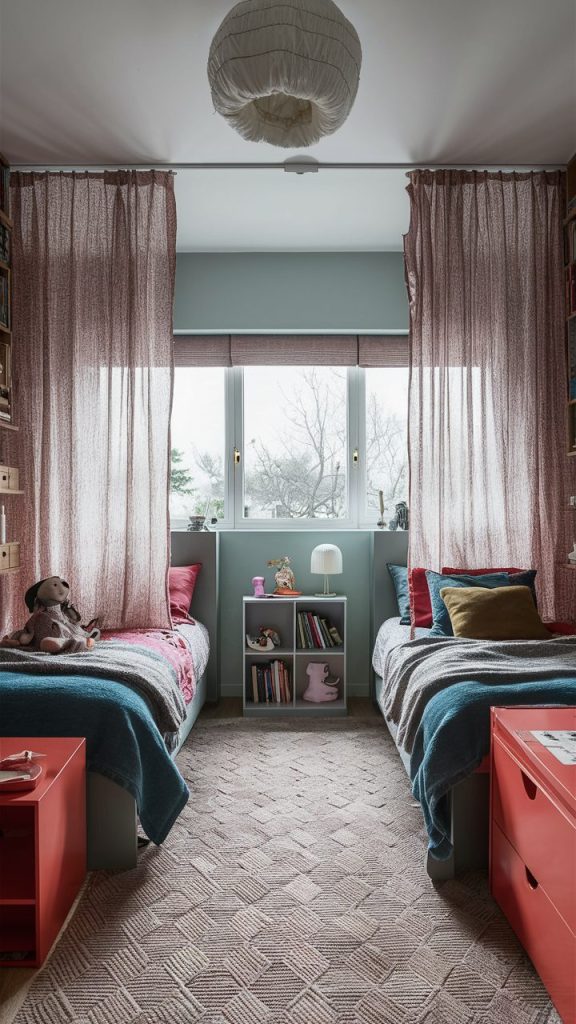
It’s important to ensure that any divider used is stable, child-safe, and properly secured to prevent accidents. Additionally, choose options that don’t overpower the room, allowing the space to feel open while still giving each child their own defined area within the shared environment.
Customization of Shared Closets
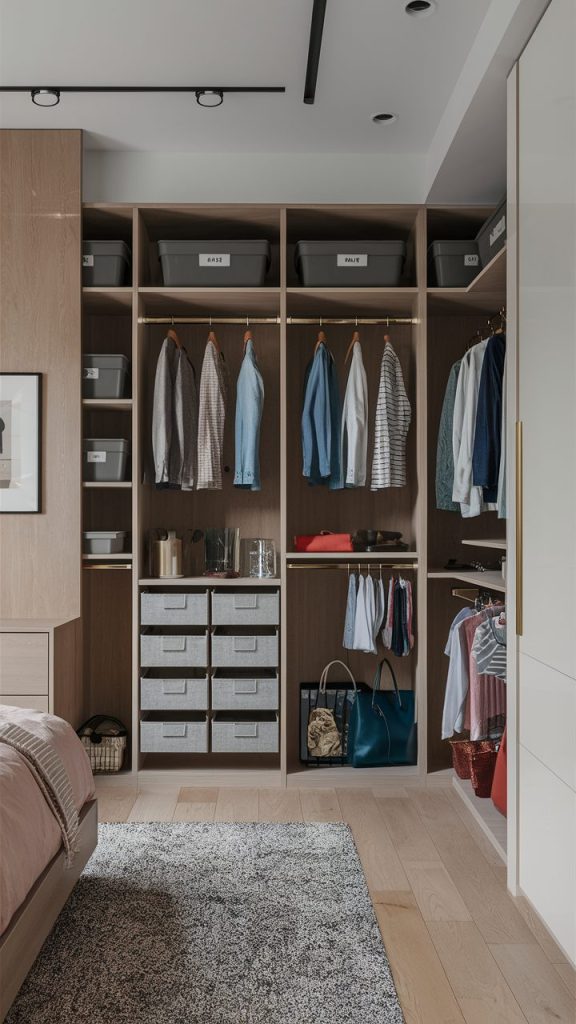
Customizing a shared closet is one of the most effective ways to maintain order in a shared bedroom while ensuring each child has a clearly defined space for their belongings. Start by incorporating adjustable shelving, double hanging rods, and clearly labeled bins to create a functional, easy-to-navigate system. This setup allows for flexibility as the children grow and their storage needs evolve.
Use low-height organizers or hutch-style units to make items easily accessible for younger or shorter children, particularly in a girls’ shared room. Pegs on the wall are ideal for hats, bags, or accessories, helping to keep these smaller items off the floor and within reach. A well-organized wardrobe not only minimizes clutter but also simplifies daily routines by making it easy for each child to find and store their personal items independently.
Play Space in a Bedroom
Designating a dedicated play area within a shared bedroom transforms the room into a fun and engaging space where children can enjoy themselves freely without disrupting the rest of the room. This play zone can include soft furnishings like beanbags, floor cushions, or a small play tent to encourage comfort and creativity. It’s important to allocate a specific section of the room for toys, games, and interactive activities, keeping everything contained and organized.
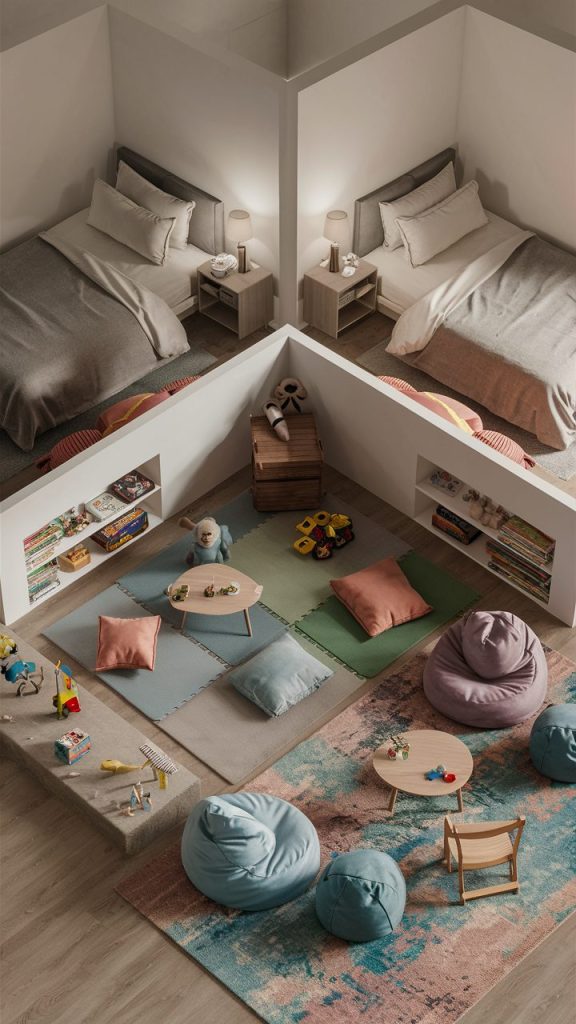
Include storage solutions such as bins, baskets, or shelves nearby to make clean-up quick and easy when playtime is over. This thoughtful setup helps keep the room balanced—allowing for imaginative exploration in a controlled space while maintaining order in the rest of the bedroom. The result is a playful corner that encourages creativity without taking over the entire room.
Multi-Purpose Furniture
Multi-functional furniture is a smart investment in a shared bedroom, especially when space and versatility are key priorities. These adaptable pieces help maximize the room’s usability without overcrowding it. Think of beds with built-in drawers for storing clothes or toys, desks that can convert into vanity tables, or foldable furniture that can be tucked away when not in use.
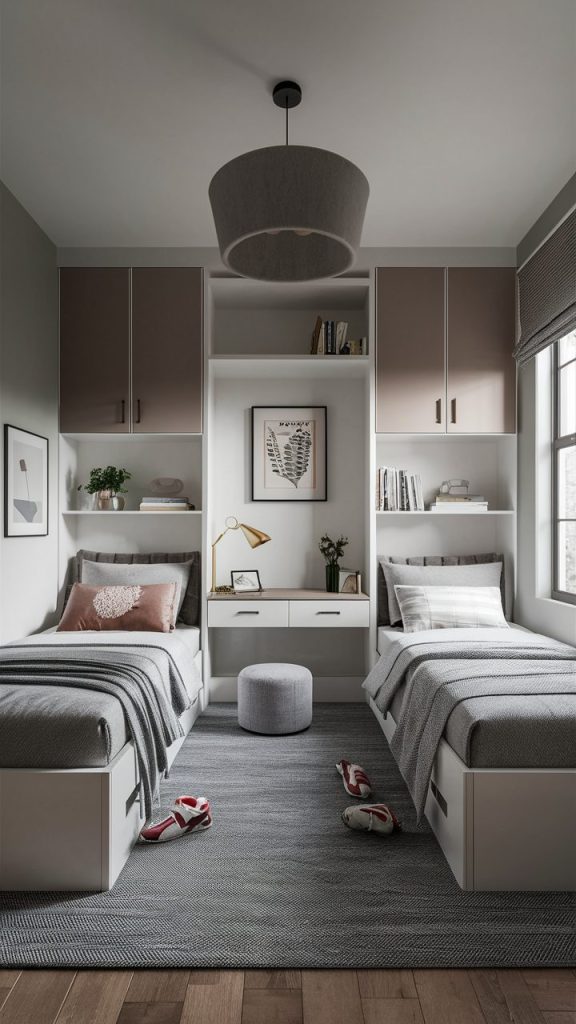
These items allow the room’s layout to shift easily as your children’s needs evolve—whether it’s for studying, sleeping, playing, or getting ready for the day. By choosing furniture that serves more than one purpose, you not only save space but also add a layer of practicality that supports the room’s long-term function. This approach ensures the shared space remains flexible, efficient, and suitable for growing kids with changing routines.
Encouraging Cleanliness and Organization
Promoting cleanliness and organization in a shared bedroom plays a vital role in maintaining a neat, comfortable, and stress-free environment for both children. Implementing labeled bins, baskets, and shelves helps assign a specific place for every item—from toys and clothes to books and school supplies—making cleanup easier and more manageable.
Establishing daily or weekly tidying routines teaches responsibility and discipline, especially when children are actively involved in the process. Incorporating fun and motivating strategies, like colorful reward charts or personalized hooks for hanging belongings, can encourage kids to take pride in keeping their space orderly.
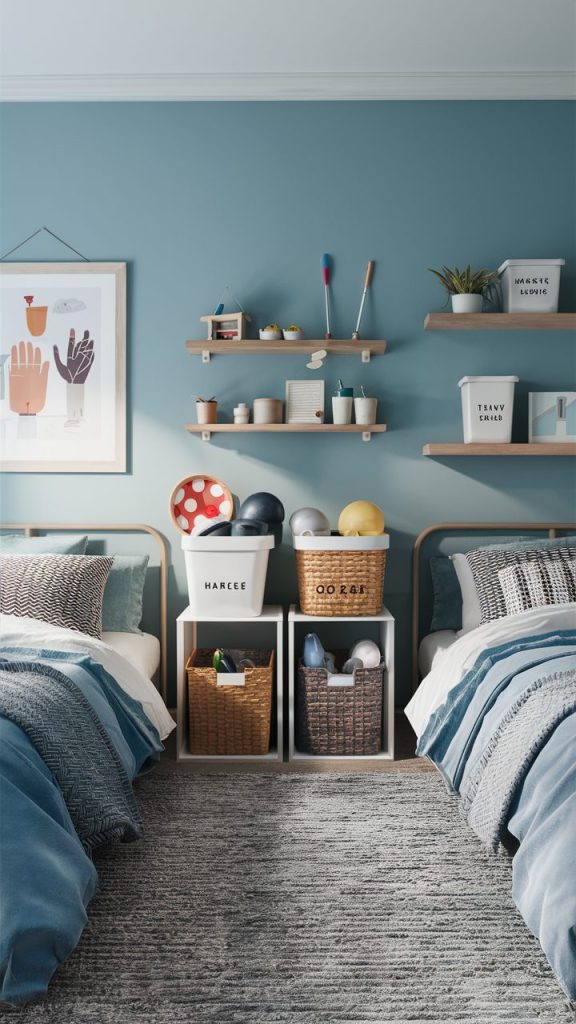
Over time, these habits become second nature, helping children appreciate the value of a clean and organized room they enjoy spending time in.
Age-Appropriate Decor Adjustments
As children grow, their preferences and needs naturally evolve, making it essential for a shared bedroom to be adaptable across different age stages. Opt for decor and furnishings that can easily be updated or replaced—such as removable wall decals, interchangeable bedding, and versatile furniture that serves multiple purposes. Choosing adjustable elements ensures the room can transition smoothly from toddlerhood to adolescence without requiring a full makeover each time.
For example, a playful toy corner can later become a quiet reading nook or a study zone. By investing in flexible pieces and a timeless base design, you create a room that grows with the children, allowing for easy updates that reflect their changing personalities, interests, and lifestyles over the years.
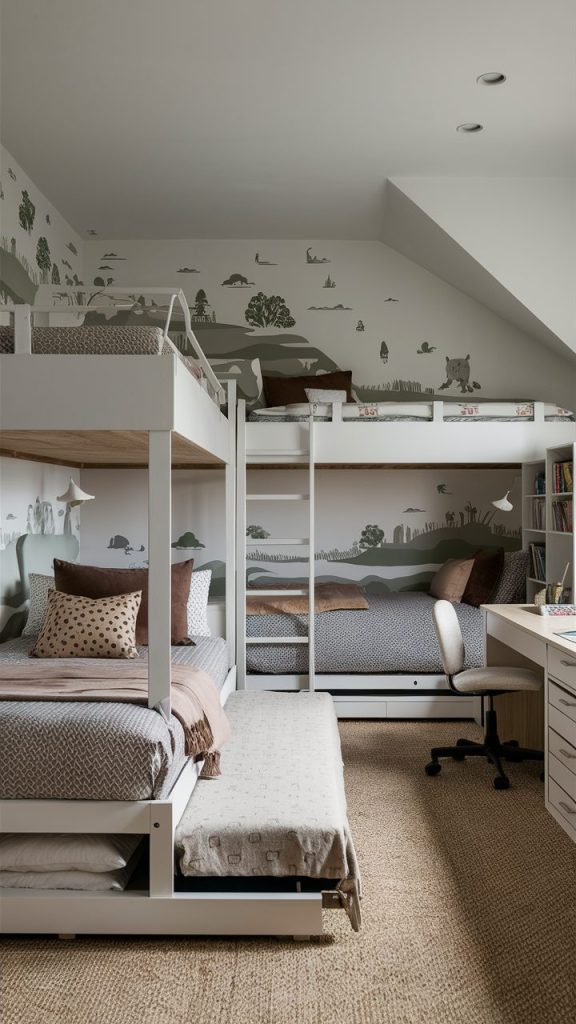
Creating Harmony in Shared Spaces
Creating harmony in a shared bedroom means thoughtfully balancing each child’s individual needs while fostering a sense of fairness and mutual respect. Start by using neutral colors and a soft, cohesive design to set a calm and unified foundation. Then, personalize each child’s side of the room with unique touches—such as custom bedding, favorite artwork, or personal keepsakes—to give them a sense of ownership.
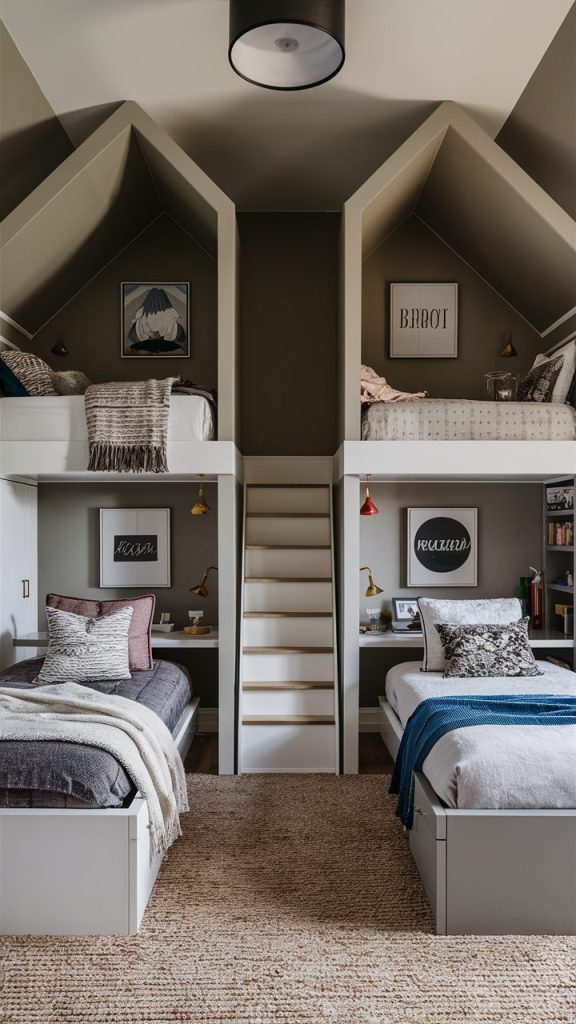
Elements like bed curtains, rugs, or small partitions can help create a feeling of privacy, offering each child their own defined space within the shared environment. This balance between shared and personal areas encourages comfort and coexistence, allowing each child to feel valued and respected.
It’s also important to acknowledge that messes and disagreements are a natural part of growing up—and that shared spaces should be flexible and forgiving as kids learn, play, and develop together.
Reflecting Individual Personalities
Highlighting each child’s unique personality within a shared bedroom fosters a sense of individuality, self-worth, and mutual respect. Even in a combined space, it’s important that each child feels seen and heard. Allow them to personalize their areas with items that reflect their interests—such as themed bedding, favorite colors, posters, or decorative pieces that speak to their hobbies and passions.
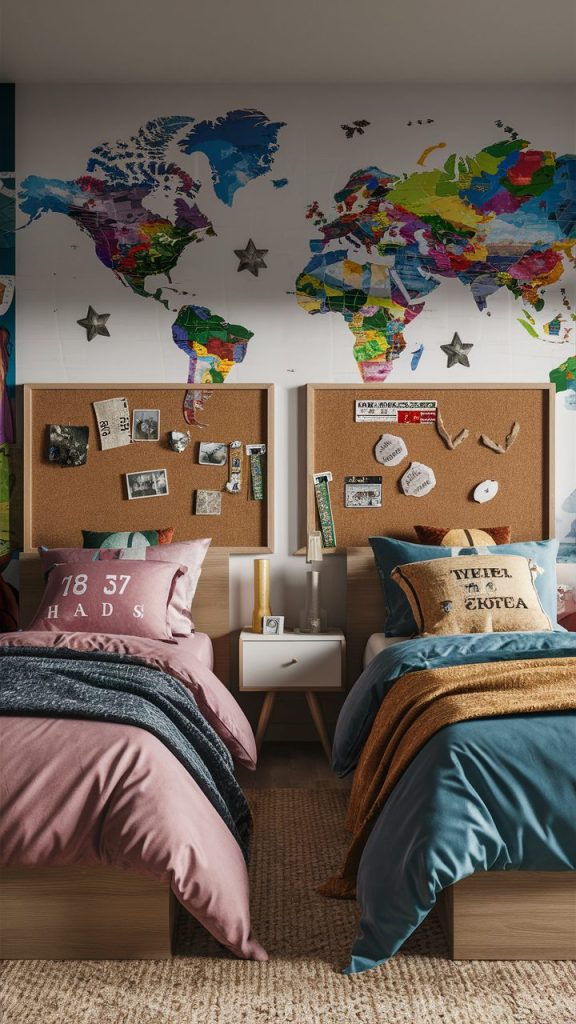
Simple DIY additions like cork boards, pin-up frames, or name tags on furniture offer kids the chance to showcase their artwork, photos, or personal notes. These small touches help transform the room into more than just a place to sleep—it becomes a shared space that also supports each child’s emotional identity and personal expression, making it feel truly their own.
Seasonal Decor Changes
Refreshing the decor of a shared bedroom throughout the year with seasonal touches can bring new energy and inspiration into the space. Embracing subtle, theme-driven updates—such as swapping out throw pillows, cozy blankets, or wall art—can instantly reflect the changing seasons while keeping the room visually interesting.
Choose decor items that incorporate nature-inspired elements like leaves, flowers, snowflakes, or sunshine, depending on the time of year. These versatile accents make it easy to create a festive or comforting atmosphere without needing to overhaul the entire room.
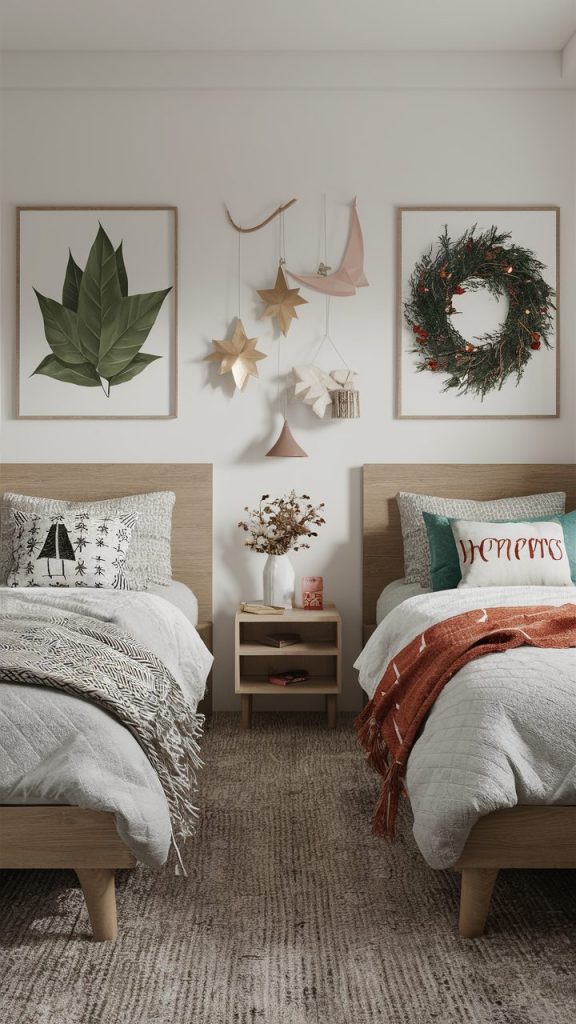
You can also turn seasonal decorating into a fun bonding activity by involving the children in small DIY projects, like assembling themed puzzles or crafting simple decorations together. This approach not only keeps the space fresh but also strengthens the children’s connection to their environment.
Budget-Friendly Decor Ideas
Creating a functional and stylish shared bedroom doesn’t have to be costly—there are plenty of budget-friendly ways to design a space that feels both special and practical. With a little creativity, you can transform the room using affordable decor ideas such as DIY crafts, upcycled furniture, or finds from thrift stores and second-hand markets. Even small changes, like a fresh coat of paint or the addition of fun wall decals and homemade artwork, can make a big impact.
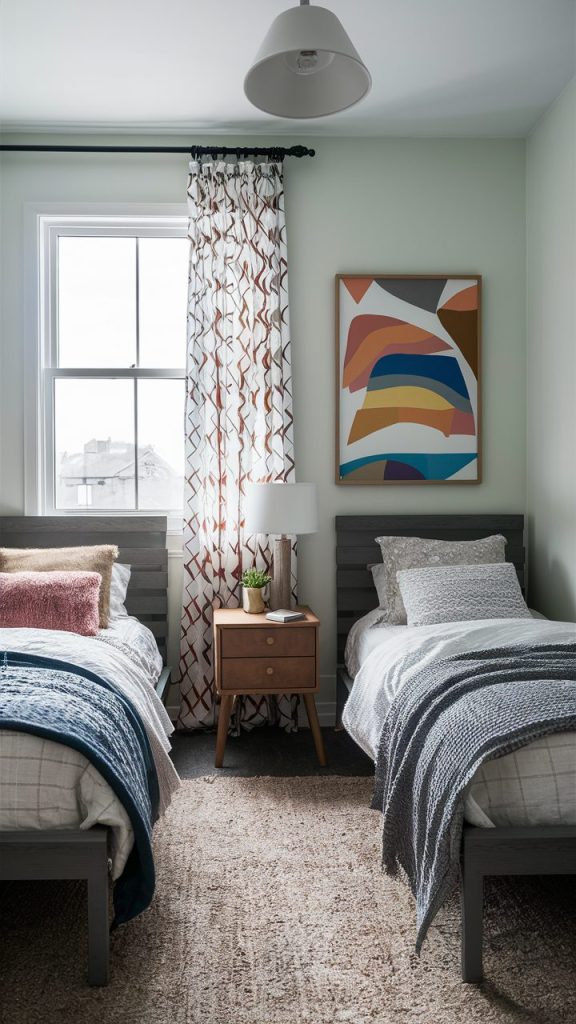
Encourage the kids to participate in decorating by personalizing items or creating their own pieces, which adds sentimental value to the room. The focus should be on using imagination and resourcefulness to build a space that reflects their personalities, all while staying within a manageable budget.
Designing an engaging and functional shared bedroom for children is a rewarding project that beautifully combines practicality with creativity and style. From choosing the right color schemes and arranging furniture to incorporating smart automation and selecting a cohesive theme, every detail plays a role in shaping a space that is both inviting and highly functional. This process not only results in a well-designed room but also fosters an environment where children can feel comfortable, inspired, and supported in their daily activities.
We invite you to share your favorite design ideas and experiences in the comments below—together, we can continue to inspire and support each other in creating beautiful, practical, and personalized shared bedrooms that truly meet the needs of our kids.


