
Explore Spacious Open Kitchen Layouts: 45 Ideas
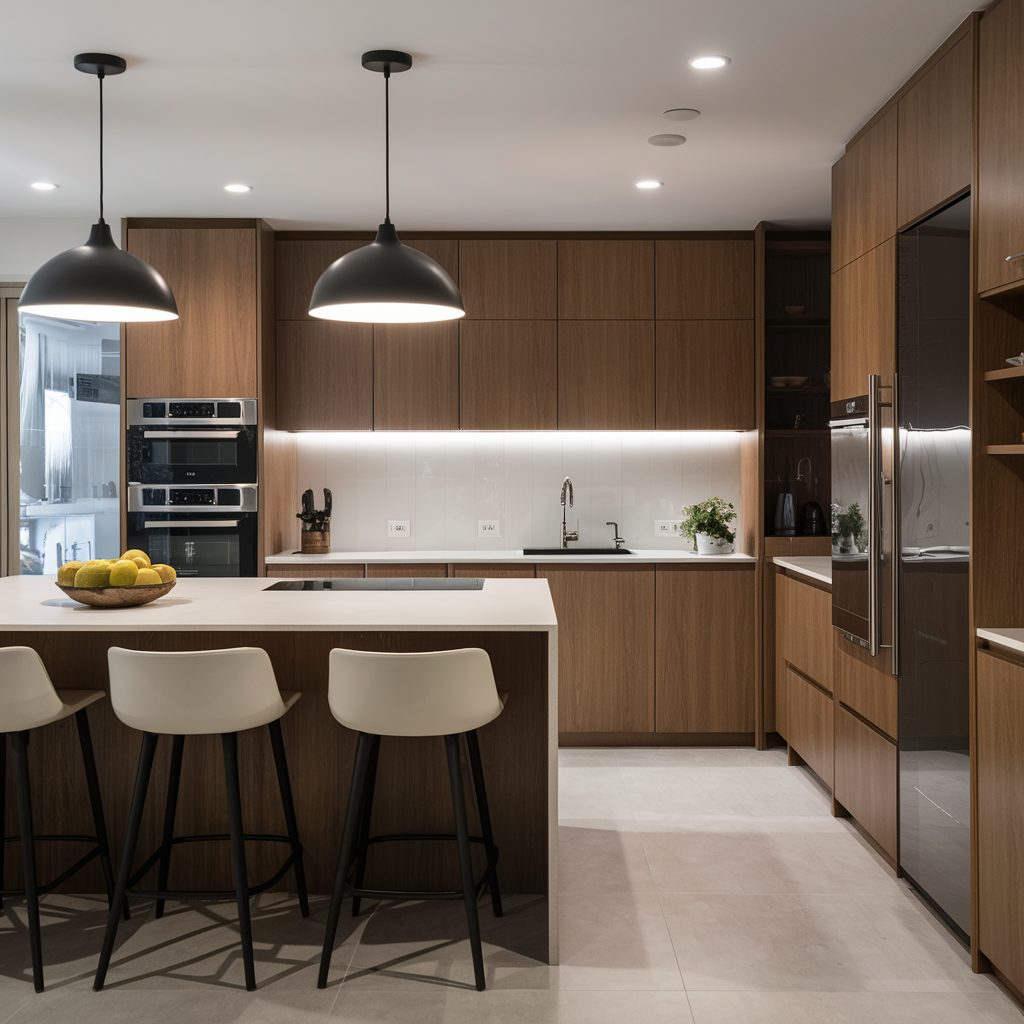
The open kitchen design has quickly risen to popularity as a stylish and practical way to organize living spaces in today’s modern homes. By removing traditional walls and barriers, this layout seamlessly merges the kitchen with the living or dining area, giving the impression of one expansive, unified space. This integration not only enhances the overall aesthetic but also creates a cozy, welcoming atmosphere that’s perfect for both daily family time and entertaining guests.
One of the key benefits of an open kitchen is the abundance of natural light it welcomes, along with the sense of spaciousness an open floor plan provides. With thoughtful planning and adherence to smart design principles, you can transform your kitchen into a space that is both contemporary and highly functional.
Embrace the benefits of the open kitchen concept and explore creative ways to incorporate it into your home’s layout.
Benefits of an Open Kitchen Layout
An open kitchen layout not only maximizes the available space but also brings a seamless connection between the cooking area and the surrounding living spaces. This integrated setup fosters a more interactive and engaging environment, making it perfect for hosting guests or keeping an eye on children while preparing meals.
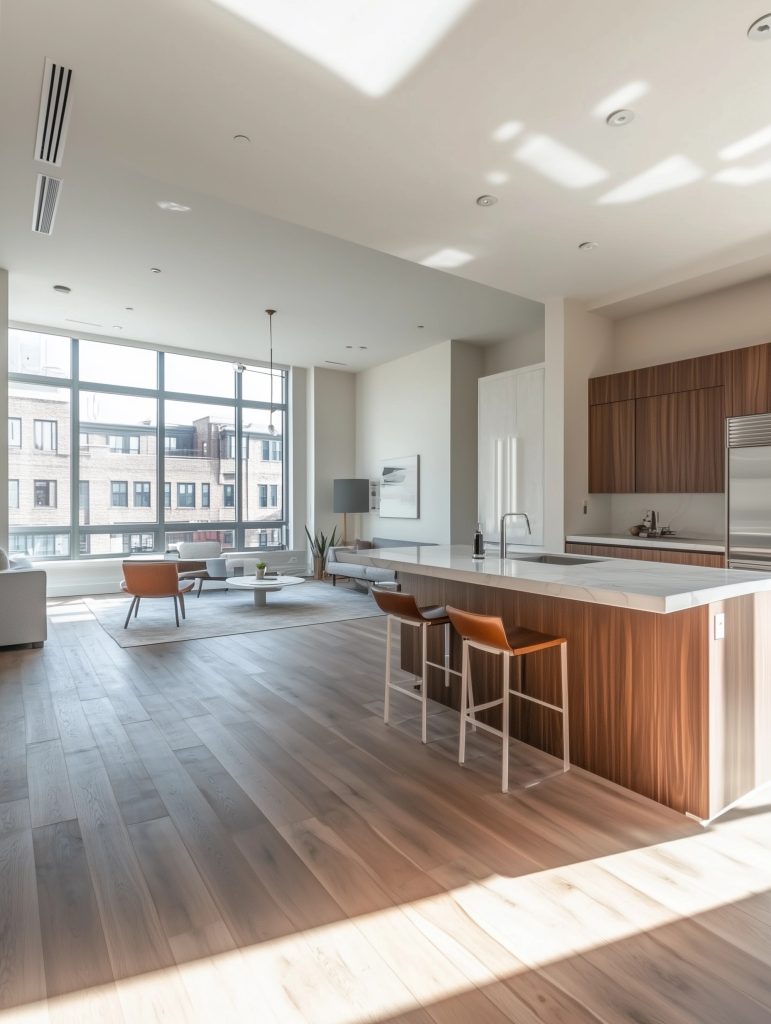
The absence of dividing walls encourages better airflow throughout the area and allows natural light to flow freely, brightening the entire space. As a result, the kitchen feels more vibrant, airy, and inviting. This design approach enhances both functionality and aesthetics, contributing to a warm and harmonious home atmosphere.
Maximizing Space Efficiency in Open Kitchens
Maximizing every inch of your open kitchen becomes especially crucial when working with limited space, as is often the case in smaller homes or apartments. To truly make the most of your kitchen layout, consider integrating furniture that goes beyond basic function and contributes to efficient storage.
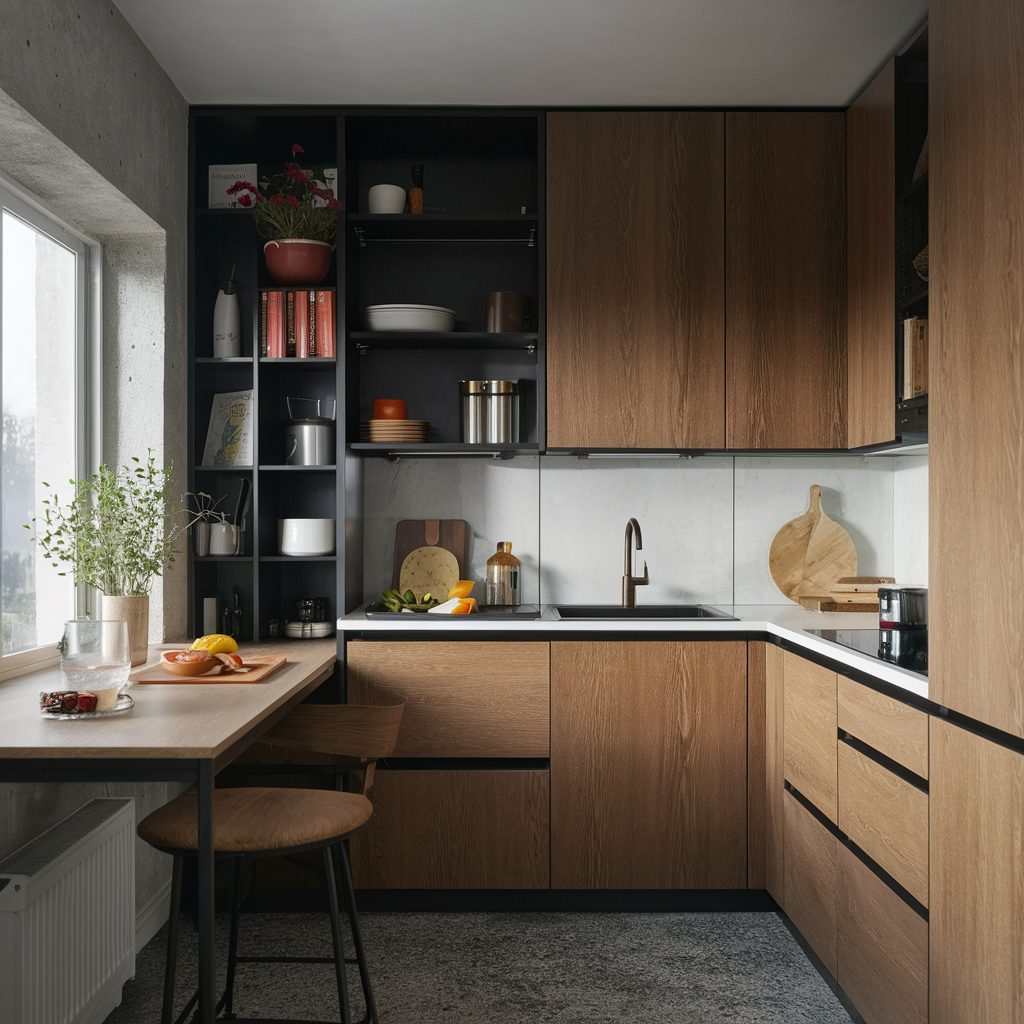
For example, open shelving units not only offer convenient access to everyday items but also create visual openness. Additionally, incorporating multifunctional furniture—such as kitchen islands with built-in storage or foldable tables—can significantly boost usability without sacrificing style.
Don’t overlook the value of clever solutions like pull-out cabinets, under-counter compartments, and hidden storage nooks. These elements help reduce clutter, streamline organization, and maintain a clean, spacious feel throughout your open kitchen.
Creating Seamless Indoor-Outdoor Flow
Blending indoor and outdoor spaces is a powerful way to make an open kitchen feel even more expansive and connected to its surroundings. By incorporating design features such as large sliding glass doors, bi-fold windows, or retractable partitions, you can create a seamless flow between the kitchen and outdoor dining or lounging areas. This kind of layout makes it appear as if both spaces were crafted from the same continuous design vision, enhancing both functionality and aesthetic appeal.
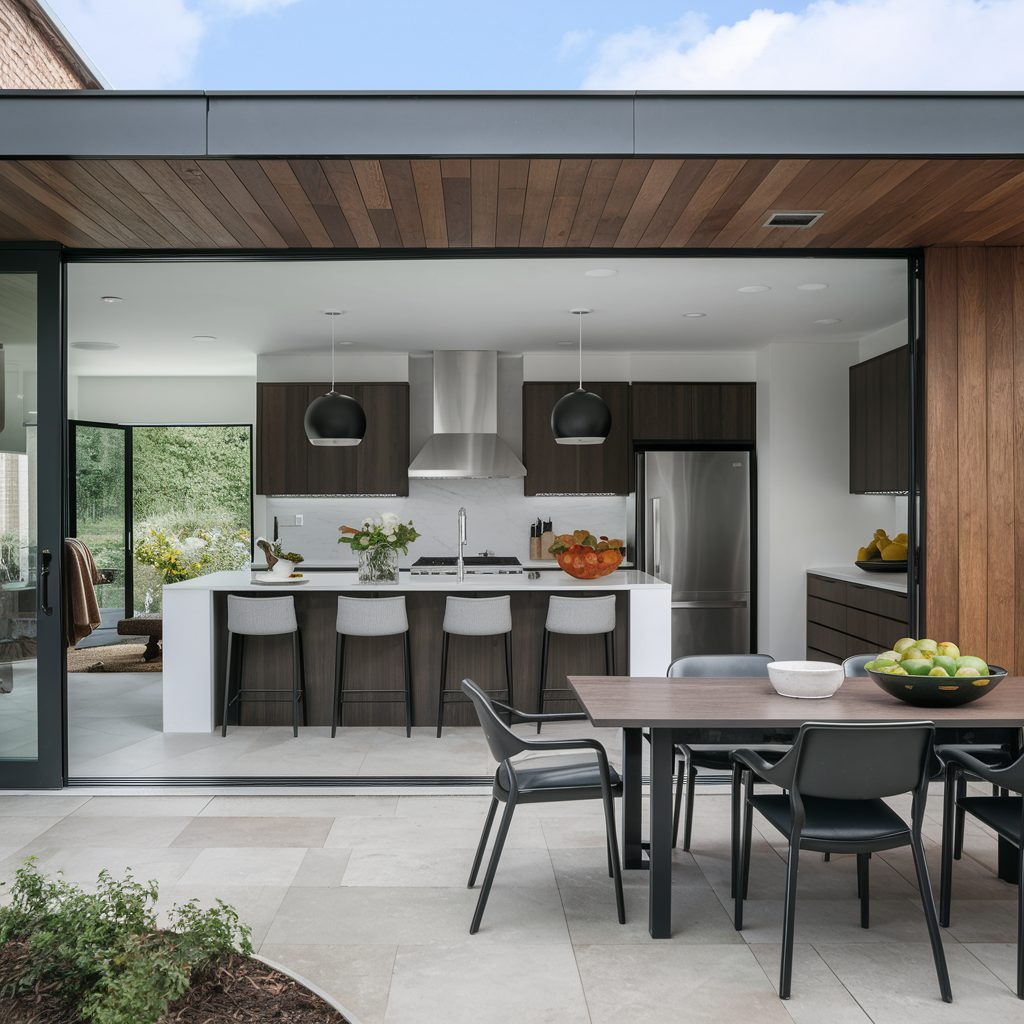
Whether you’re hosting a summer barbecue or simply enjoying a quiet morning coffee, this integration allows for effortless movement between zones. It’s an ideal setup for entertaining guests or spending quality time with family in a setting that feels both open and harmonious.
Lighting Solutions for Open Kitchens
Lighting is one of the most essential design elements in an open kitchen, playing a key role in shaping a warm, welcoming atmosphere. Beyond just illumination, the right lighting setup can dramatically influence the mood and functionality of the space. A thoughtful combination of ambient, task, and accent lighting allows you to highlight different areas of the kitchen according to their use and aesthetic appeal.
For example, pendant lights hung above a kitchen island add a stylish focal point while providing direct light for meal prep or casual dining. Meanwhile, under-cabinet lighting enhances visibility on countertops and adds a cozy glow during evening hours.
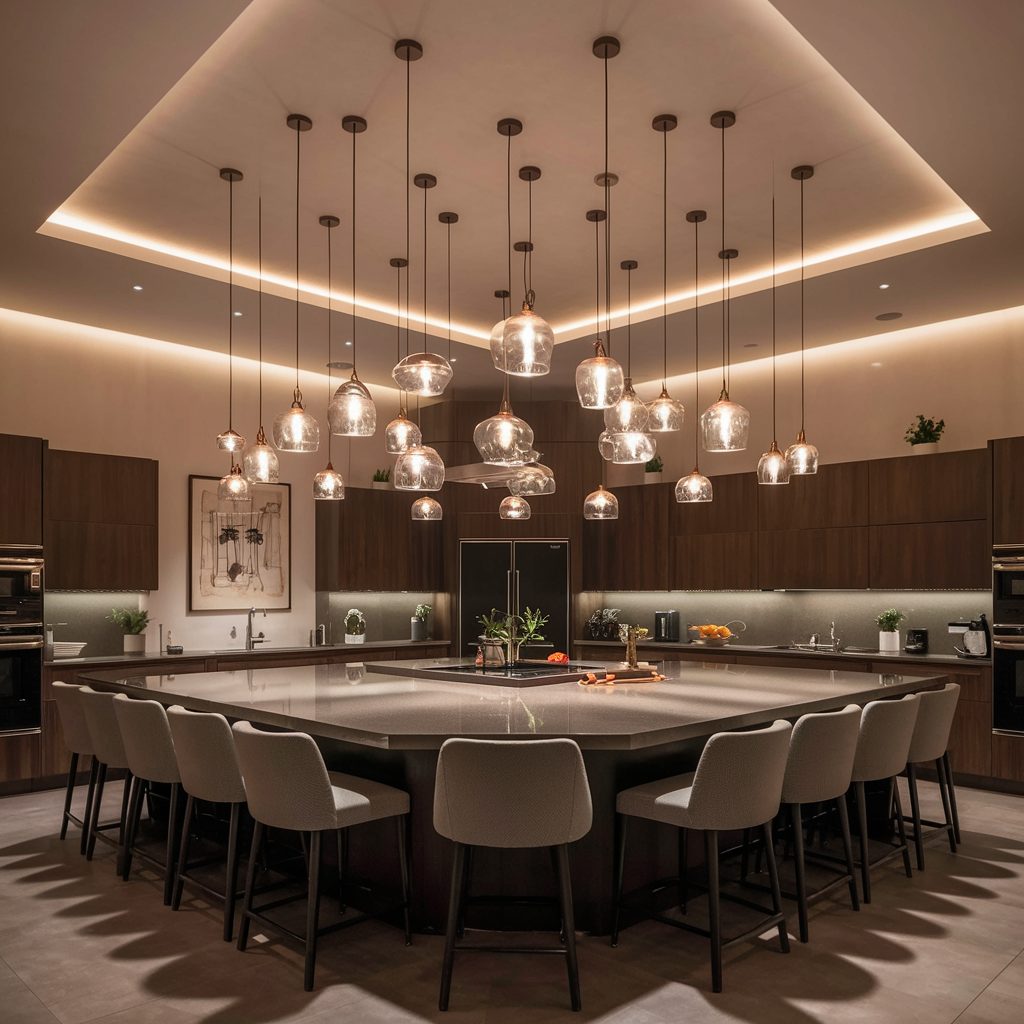
When layered effectively, these lighting options not only enhance usability but also elevate the overall charm and sophistication of your open kitchen.
Choosing the Right Flooring for Open Kitchens
The foundation of an open kitchen—its flooring—plays a critical role not only in enhancing the overall appearance but also in ensuring the space remains practical and easy to maintain.
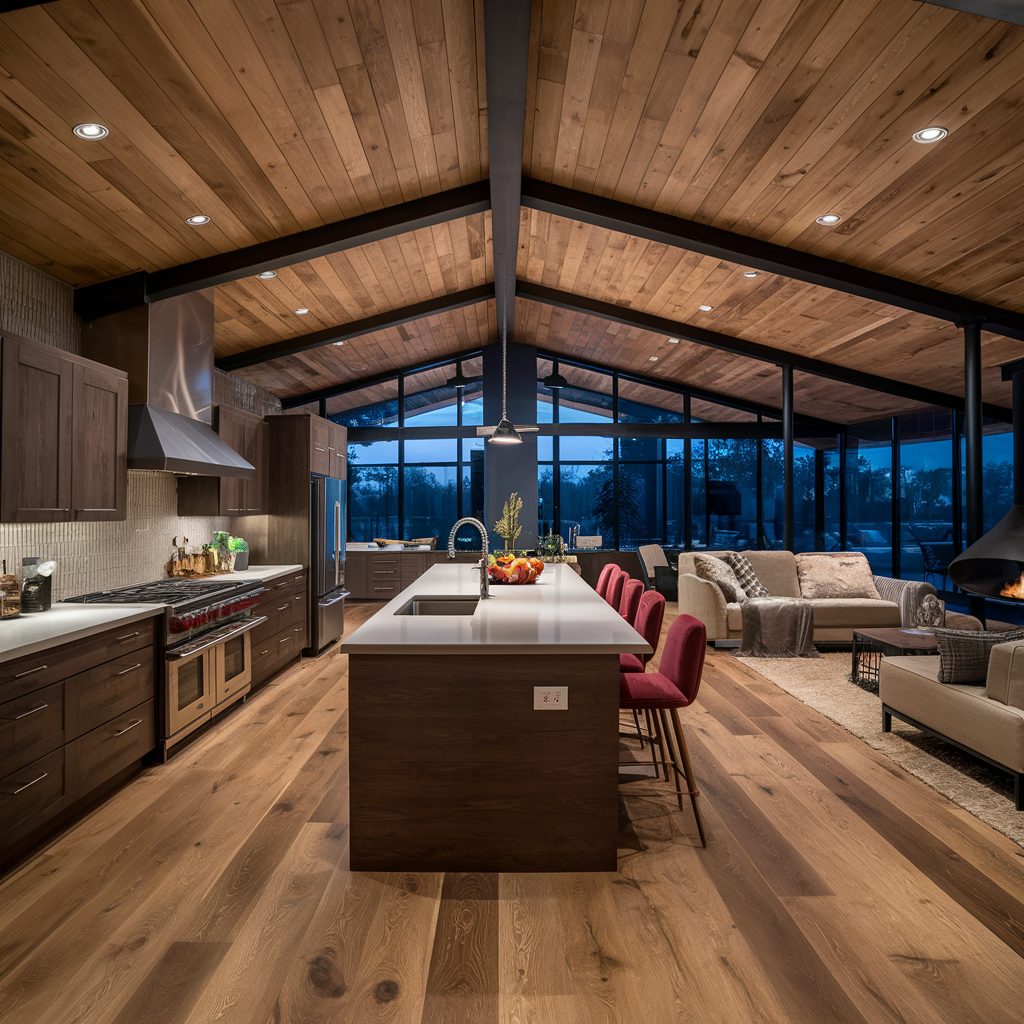
Choosing the right flooring material is essential for both durability and design continuity. Options such as hardwood, ceramic tiles, and modern laminate flooring are popular for their long-lasting nature and resistance to everyday wear and tear.
When selecting a surface, it’s important to consider the design language of your entire home. A cohesive flooring choice helps create a smooth and visually pleasing transition between the kitchen and adjacent living areas, reinforcing the open layout concept.
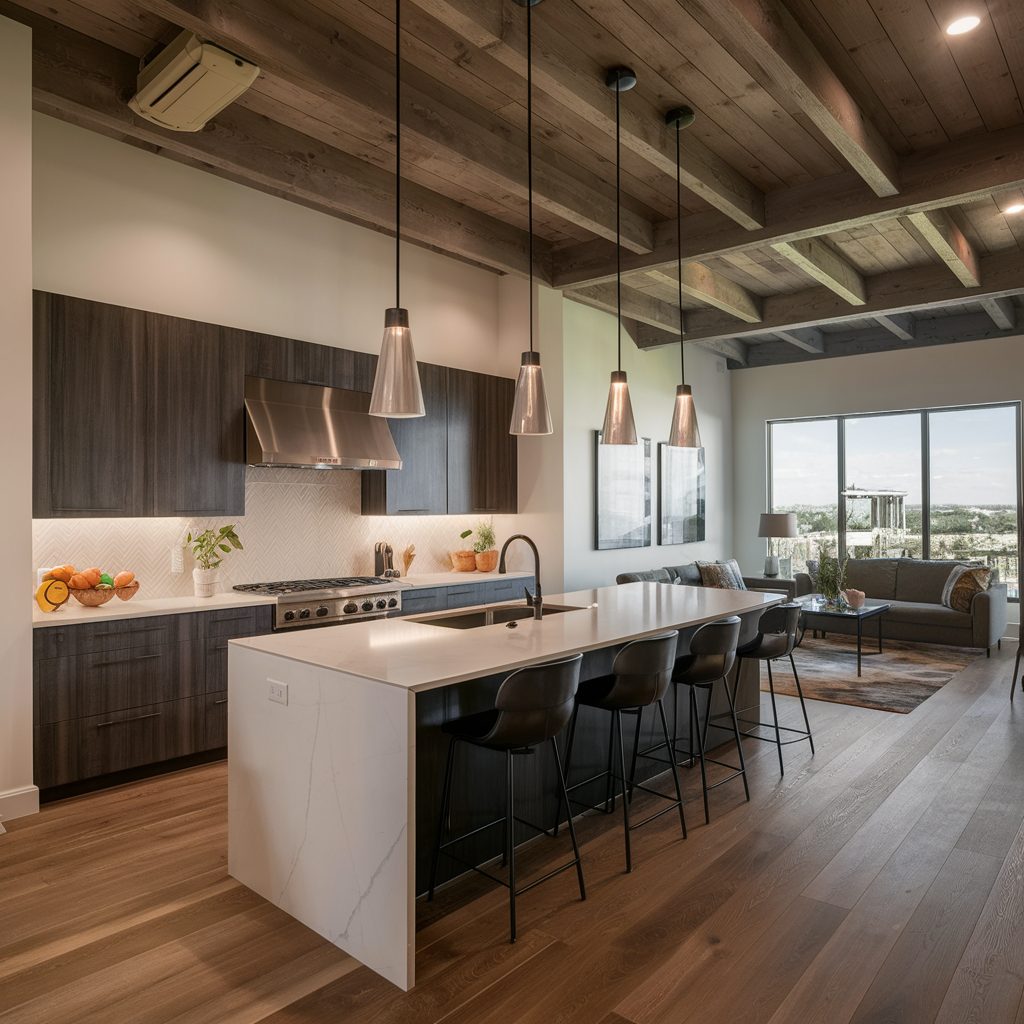
A well-chosen floor anchors the space, supports daily activities, and ties the kitchen seamlessly into the rest of your home.
Integrating Dining Areas in Open Kitchens
Incorporating a dining area within an open kitchen serves a dual purpose—creating two functional zones that seamlessly support both everyday family meals and entertaining guests. This integration allows for smooth interaction between cooking and dining activities, making the space feel more social and cohesive. In kitchens with limited square footage, selecting the right dining set becomes especially important.
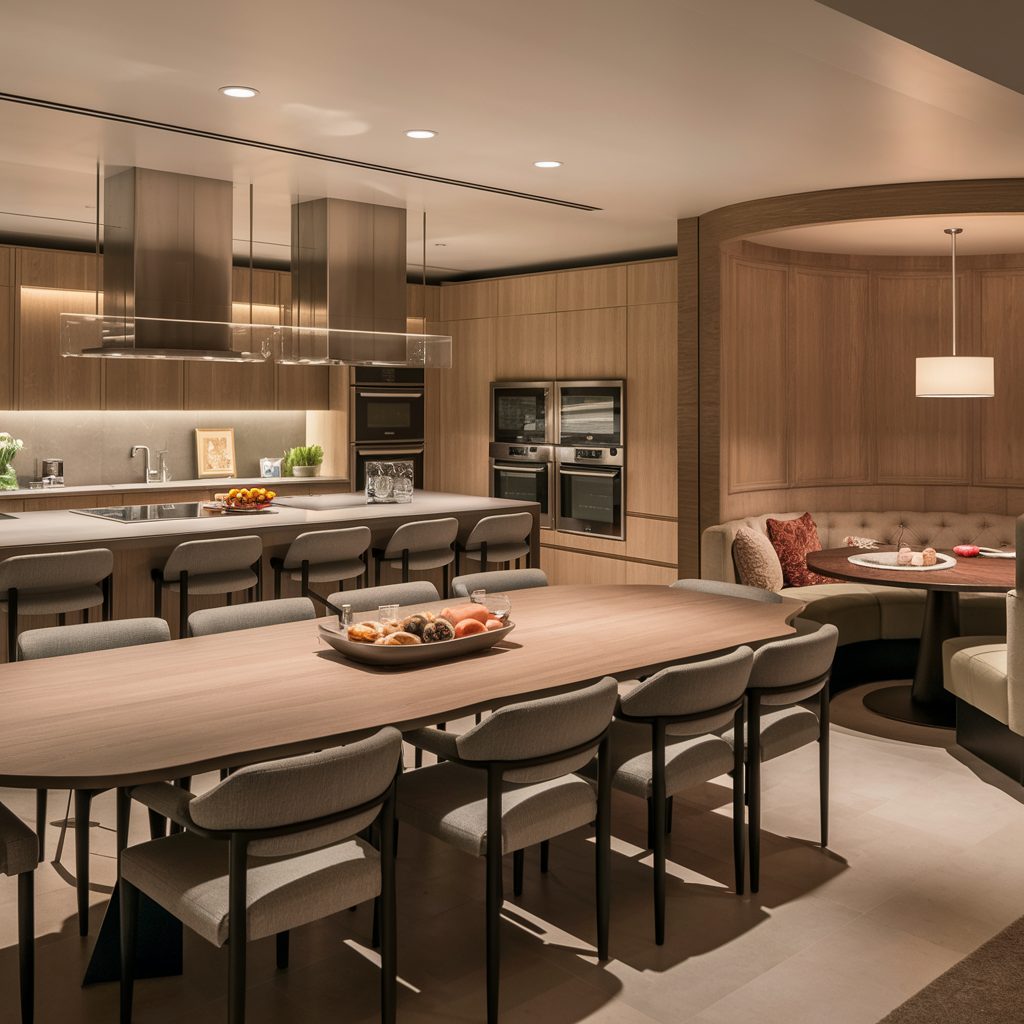
Opt for compact, space-saving furniture that doesn’t overwhelm the room but still complements the overall design. A sleek table with matching chairs or a built-in bench can add practicality without sacrificing style. The key is to position the dining area in a way that aligns with the kitchen’s layout, ensuring visual and spatial harmony throughout the open-plan setting.
Designing Functional Kitchen Islands
The kitchen island stands out as a stylish and practical centerpiece in any open kitchen layout. More than just a design feature, it significantly boosts functionality by offering additional workspace for food preparation, increased storage options, and a casual spot for dining or socializing.
By incorporating features like a built-in sink or stove, the island can serve as a central work zone that streamlines cooking tasks and minimizes unnecessary movement across the kitchen.
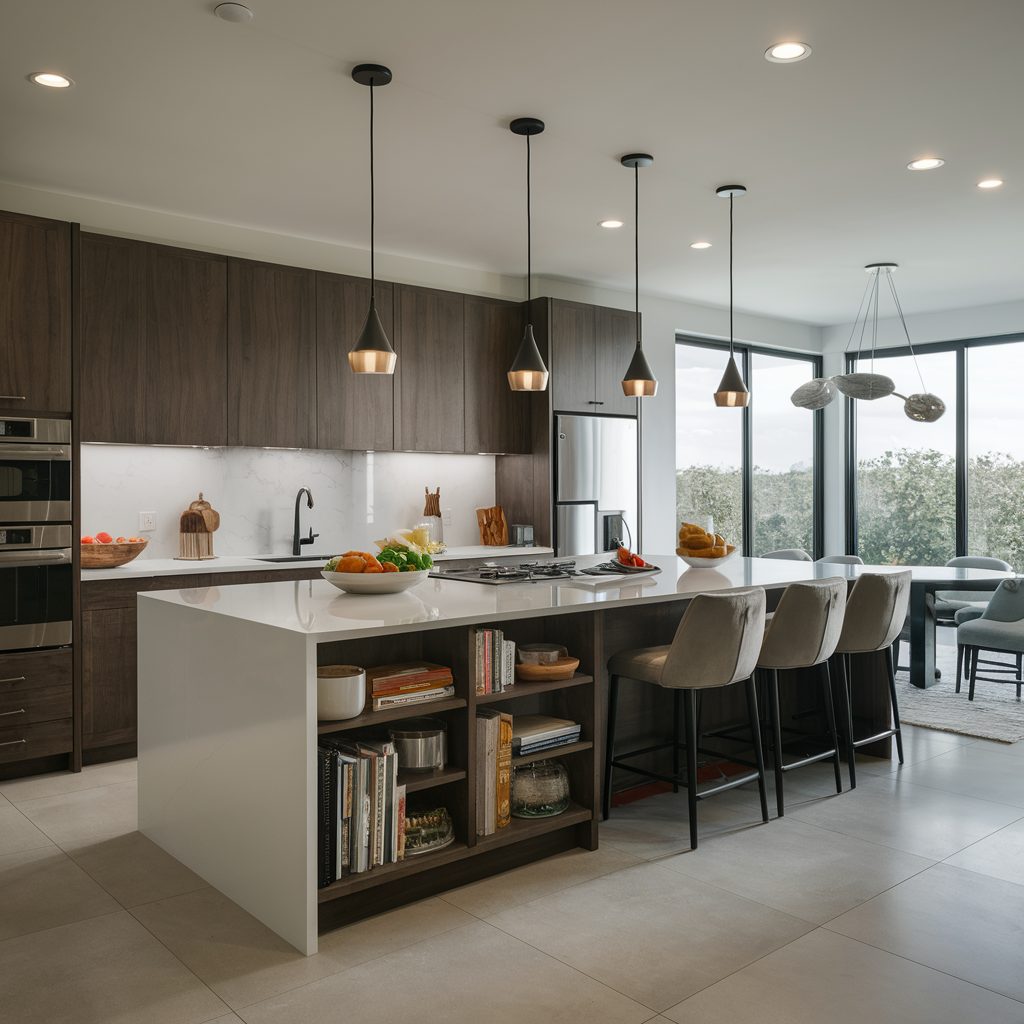
To ensure a cohesive look, the island’s design should reflect the overall aesthetic of the kitchen and adjacent living areas—whether through matching materials, colors, or finishes. With the right planning, a kitchen island not only enhances utility but also strengthens the visual flow in an open kitchen setting.
Storage Solutions for Open Kitchens
In an open kitchen, well-organized storage systems are essential for maintaining a clean, clutter-free environment. Because everything is on display, effective storage solutions are not just practical—they’re a key element of the kitchen’s overall visual appeal.
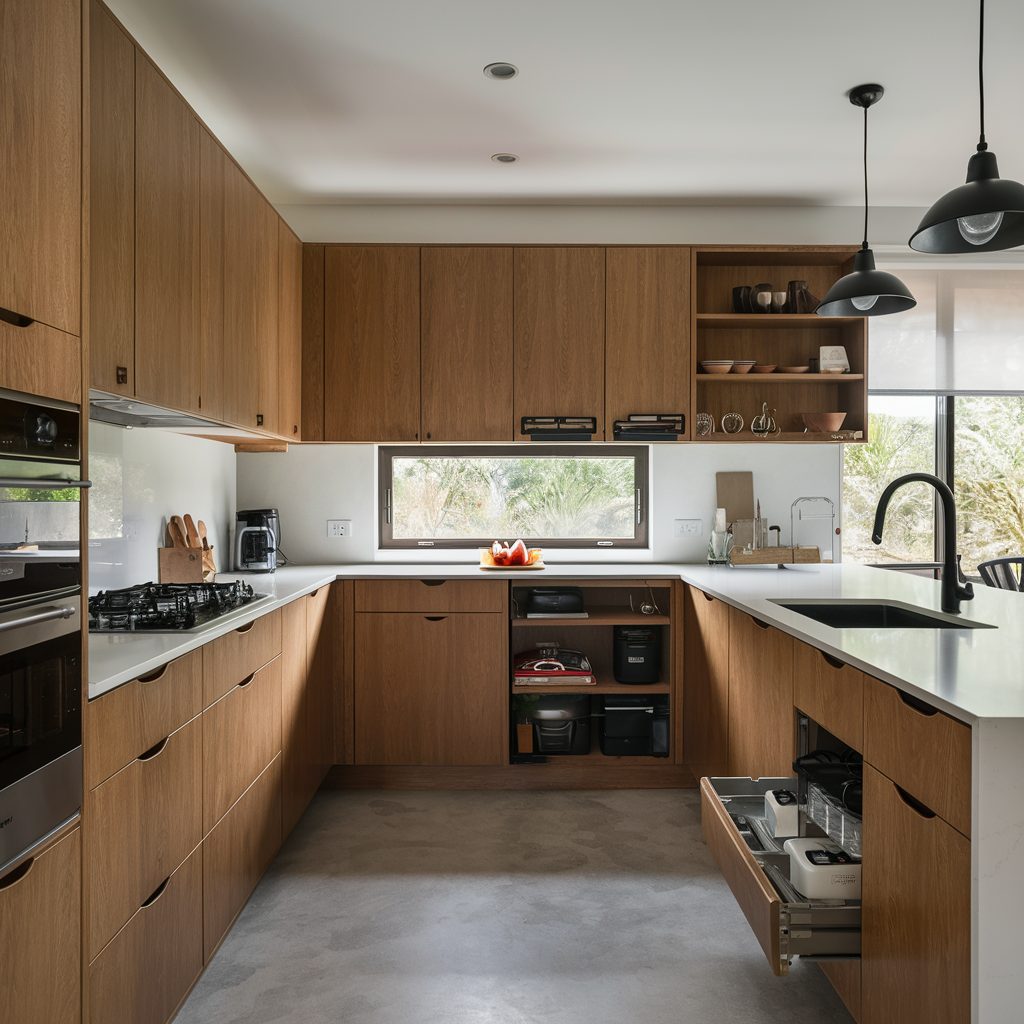
To maximize space and keep things tidy, consider incorporating a mix of open shelving, pull-out drawers, and built-in organizers. These elements help you categorize and access your kitchen items with ease.
Custom cabinetry is another powerful tool, especially when tailored to fit awkward or underused corners. With the right design, these hidden spaces can be transformed into highly functional storage zones without disrupting the sleek, open look of the kitchen. A strategic approach to storage not only improves organization but also enhances the sense of openness and order throughout the space.
Incorporating Modern Appliances
Modern appliances are a must-have in any open kitchen, not only for their sleek, high-end appearance but also for the advanced functionality they bring to everyday cooking. These appliances elevate the overall look of the kitchen, giving it the polished aesthetic often seen in home design magazines.
More importantly, they simplify cooking tasks, making meal preparation more enjoyable and efficient rather than a chore. Smart kitchen devices, such as touch-screen ovens, app-controlled coffee machines, and Wi-Fi-enabled refrigerators, offer time-saving features and even include entertainment options like music streaming or internet browsing while you cook.
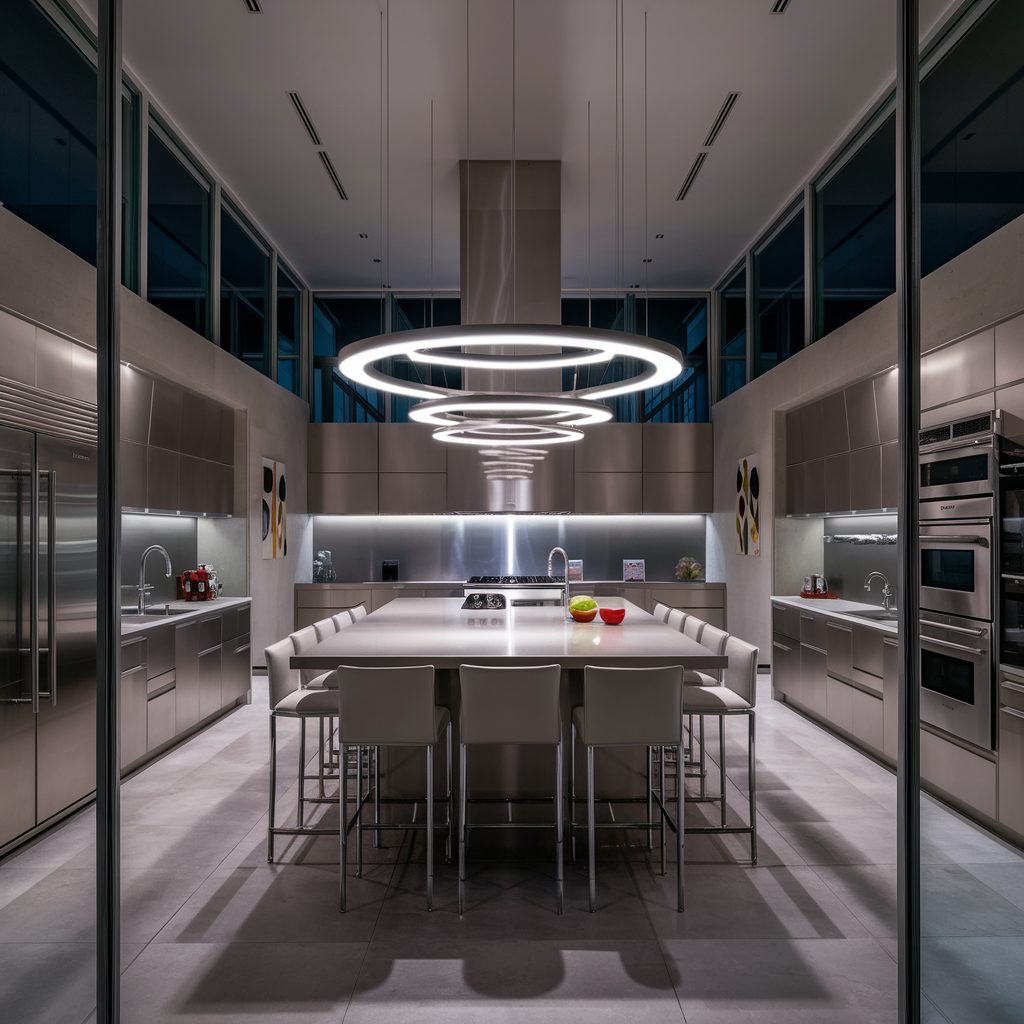
One standout example is the electric kitchen robot—an AI-powered appliance capable of assisting with multiple cooking steps, from chopping to stirring, with minimal input. These innovations are quickly becoming staples in modern smart homes, perfectly complementing the functionality and style of an open kitchen layout.
Open Kitchen Safety Tips
Prioritizing safety in an open kitchen is essential to creating a secure environment for both adults and children. Since this layout often connects directly to living areas, it’s important that every activity in the kitchen is approached with safety in mind. Start with practical measures like installing child-proof locks on lower cabinets to prevent little ones from accessing potentially harmful items.
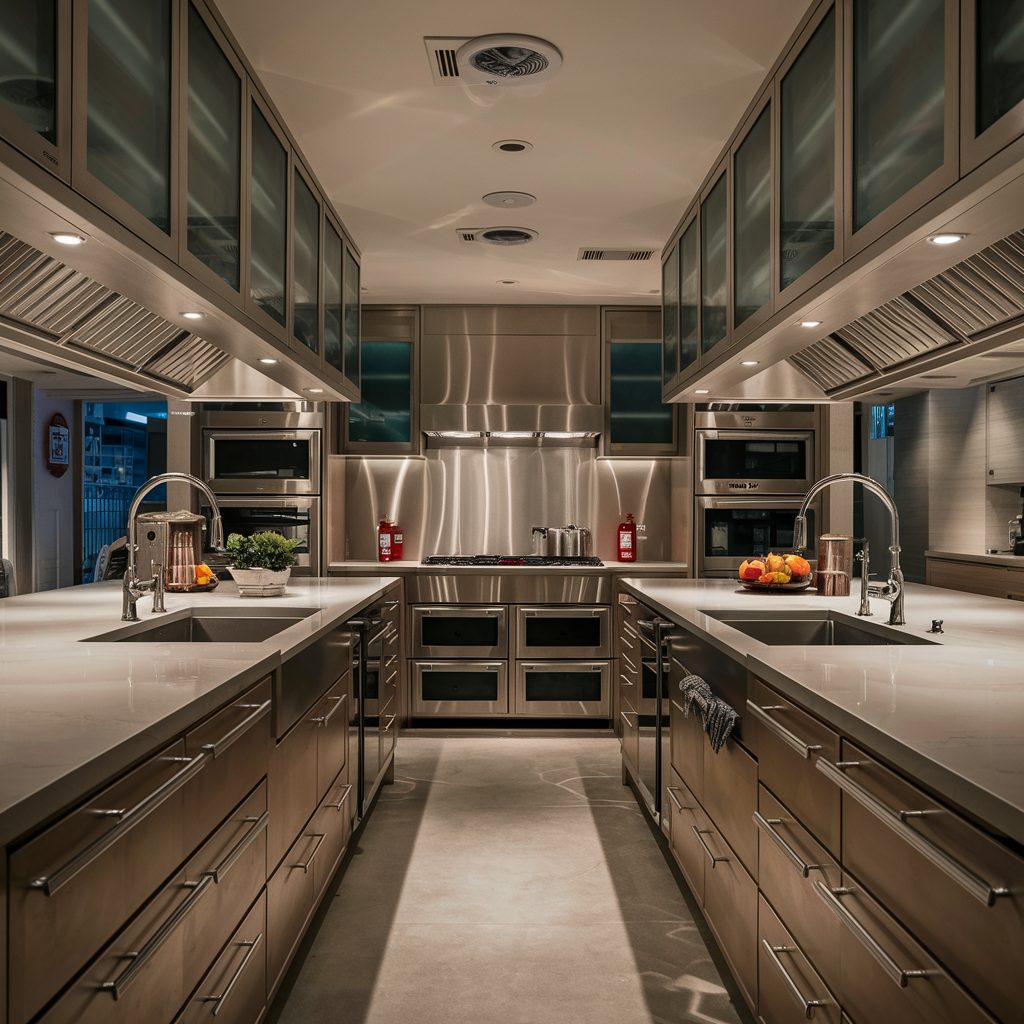
Ensure that all kitchen appliances come with built-in safety features and are used according to manufacturer guidelines. Proper ventilation is also crucial—not only for comfort but for reducing fire hazards caused by heat and smoke. Equip the kitchen with functional smoke detectors and keep a fire extinguisher within easy reach.
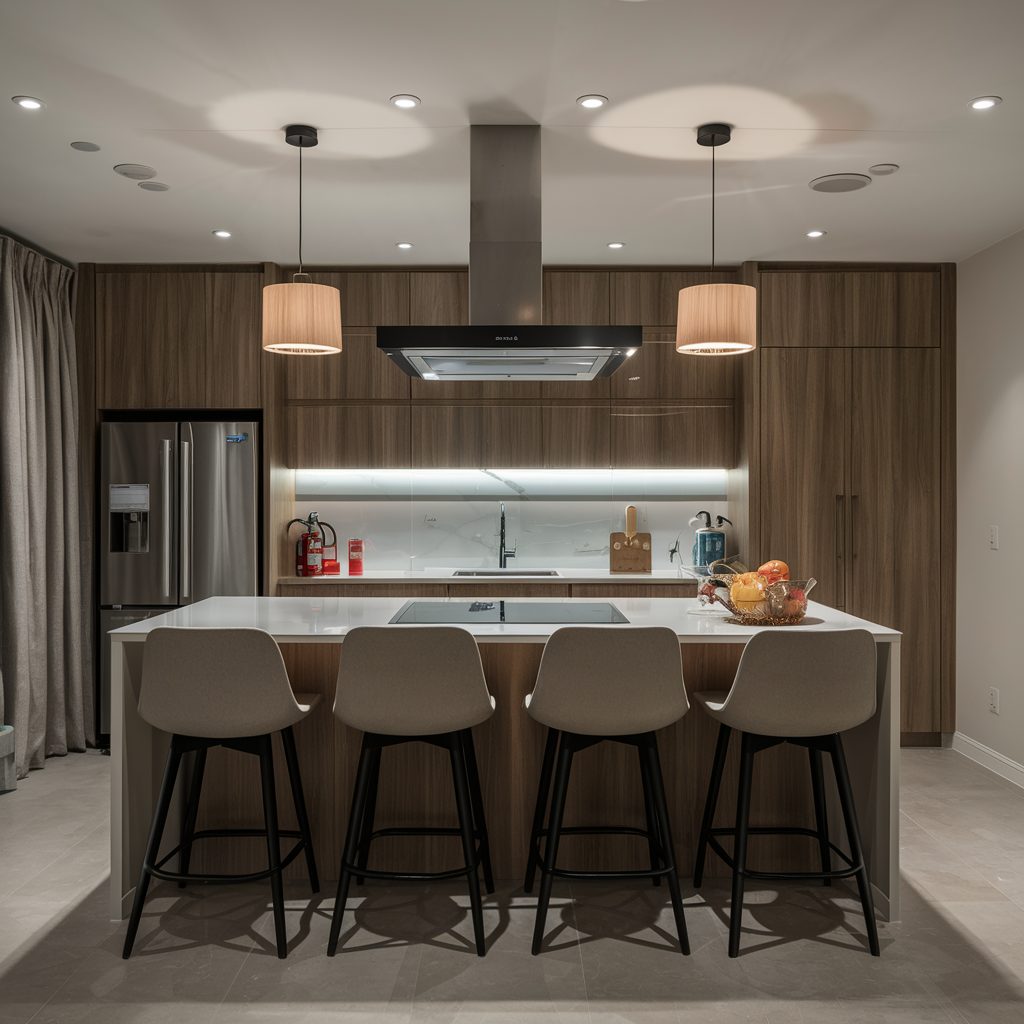
Additionally, always store sharp or hazardous objects in places out of sight and reach of children. Maintaining a clean and clutter-free space further reduces the risk of accidents, making the open kitchen a safe and enjoyable place for everyone.
Balancing Aesthetics and Functionality
Creating a successful open kitchen involves achieving the perfect balance between visual appeal and everyday functionality. A well-designed space should not only look impressive but also support efficient cooking and living. Choosing materials that are both durable and stylish—like quartz countertops and easy-to-clean backsplash tiles—adds sophistication while ensuring low maintenance.
The overall layout should promote free movement and provide clear visibility of key kitchen components, making daily tasks more intuitive. Incorporate modern, dual-purpose furniture, such as storage-integrated seating or a multi-functional island, to enhance versatility without cluttering the space.
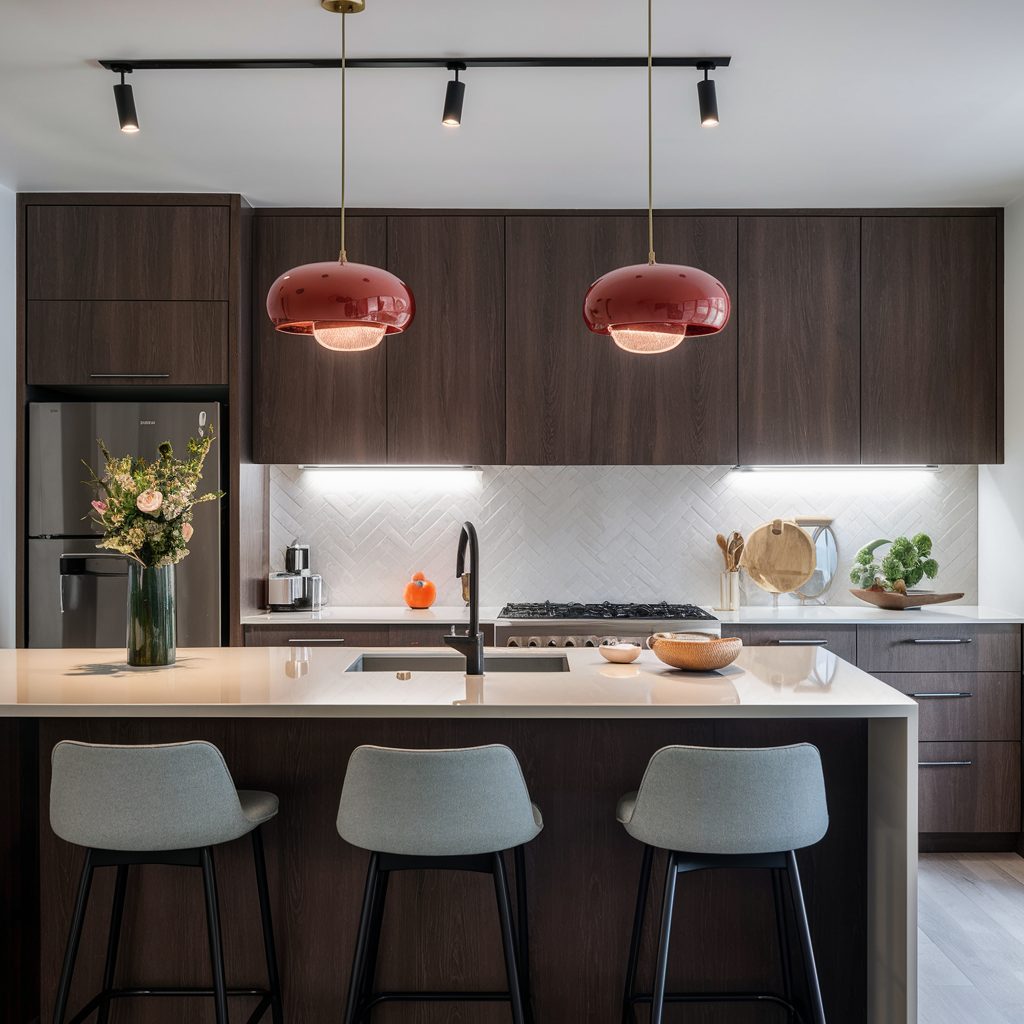
This thoughtful combination of beauty and practicality results in an open kitchen that’s both a visual highlight of your home and a highly functional workspace.
Creating a Social Hub in the Kitchen
Transforming an open kitchen into the heart of the home is all about fostering connection and creating a space where family and friends naturally come together. One of the most effective ways to encourage social interaction is by adding comfortable, inviting seating—bar stools around the kitchen island or a cozy breakfast nook can make the space feel welcoming and relaxed.
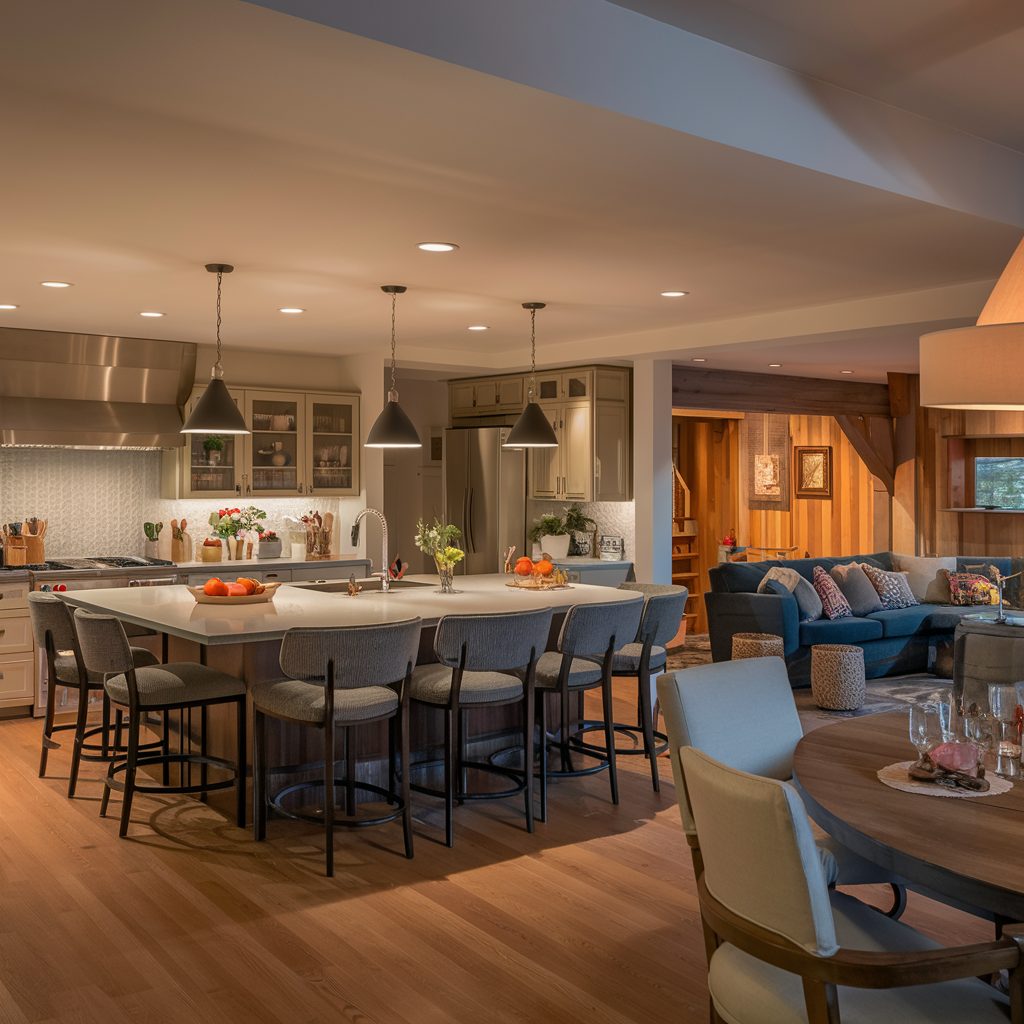
Enhancing the ambiance with warm lighting adds to the inviting atmosphere, making it ideal for everything from casual chats to evening gatherings. Personal touches, such as framed family photos or handmade artwork, can further enrich the space, giving it warmth and character.
When the layout and design are thoughtfully planned, an open kitchen becomes more than just a cooking area—it becomes a social hub where meaningful moments are shared.
Using Natural Light in Open Kitchens
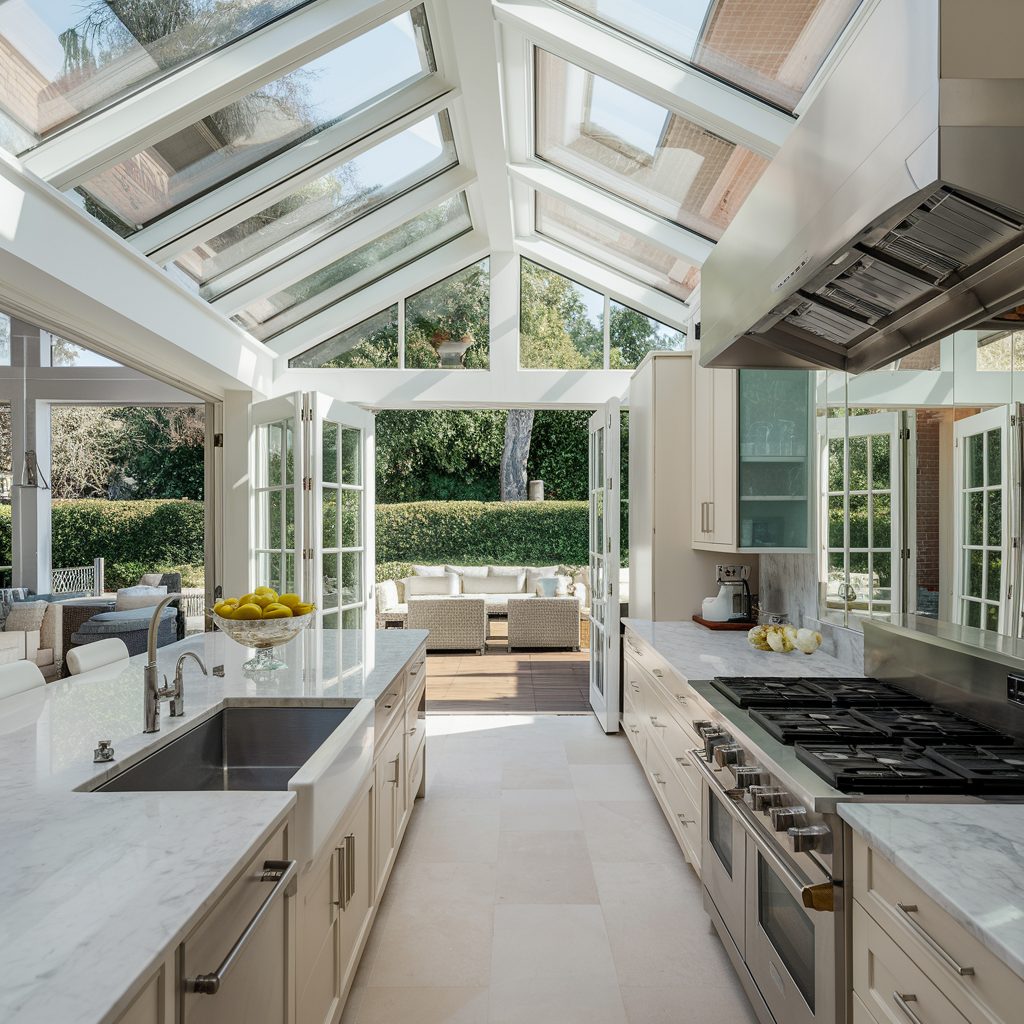
Maximizing natural daylight in an open kitchen is one of the simplest yet most effective ways to make the space feel larger, brighter, and more inviting. Incorporating large windows, skylights, or full-glass doors allows an abundance of sunlight to flood the area, enhancing its visual appeal and reducing the need for artificial lighting during the day.
To further amplify the effect of natural light, opt for light-colored finishes, glossy cabinetry, and reflective surfaces like glass or polished stone. These elements help bounce light around the room, making the kitchen feel even more open and airy. Embracing daylight not only creates a warmer, more organic atmosphere but also contributes to energy efficiency, supporting a more sustainable kitchen design.
Ventilation Strategies for Open Kitchens
Proper ventilation is a critical component of any open kitchen, playing a key role in maintaining clean air and eliminating cooking fumes, smoke, and lingering odors. Because open kitchens are integrated with living areas, poor ventilation can easily affect the comfort and air quality of the entire space. Installing a high-quality range hood above the stove is essential—preferably one that vents directly to the outside, ensuring efficient removal of airborne grease and steam.
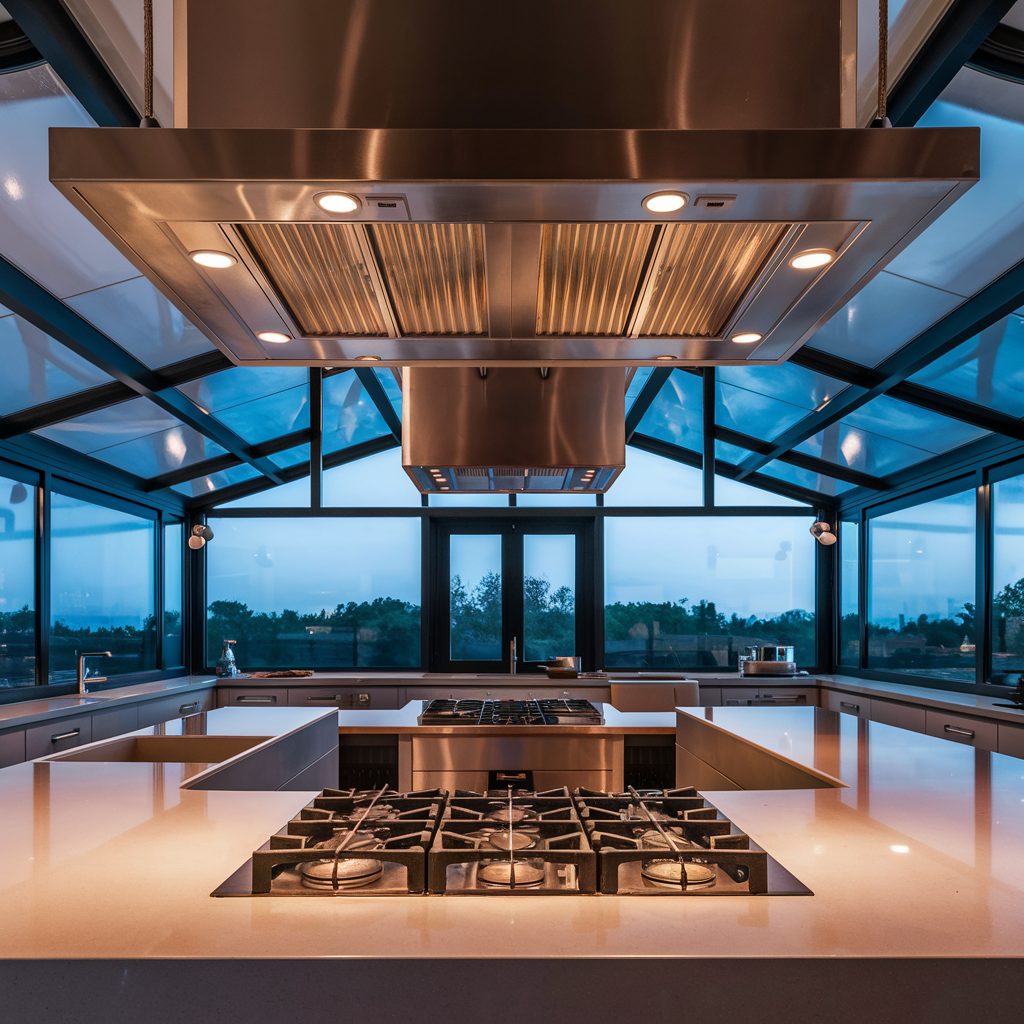
Additionally, incorporating operable windows or an exhaust fan can significantly enhance airflow, helping to regulate temperature and prevent moisture buildup. Good ventilation not only creates a more pleasant cooking environment but also protects kitchen surfaces and finishes from damage caused by smoke and grease accumulation over time.
Selecting Durable Countertop Materials
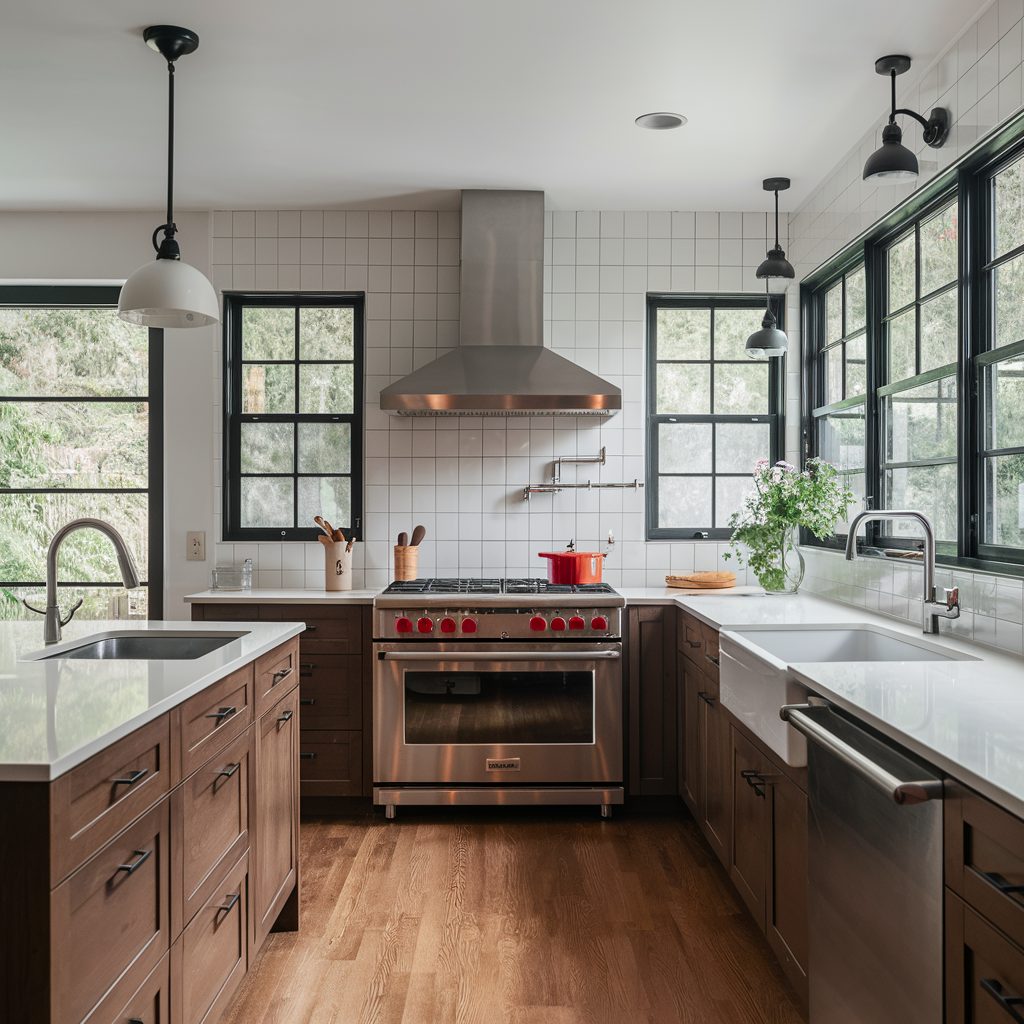
In an open kitchen, selecting durable countertop materials is essential to achieving both style and long-term practicality. Since countertops are among the most frequently used surfaces, they must withstand daily wear while still enhancing the overall look of the space.
Popular options like quartz, granite, and solid-surface materials strike the perfect balance—they’re visually appealing and highly resistant to stains, scratches, and heat. As a focal point of the kitchen, the countertop ties together the aesthetic vision of the space while also supporting the demands of everyday cooking and food prep.
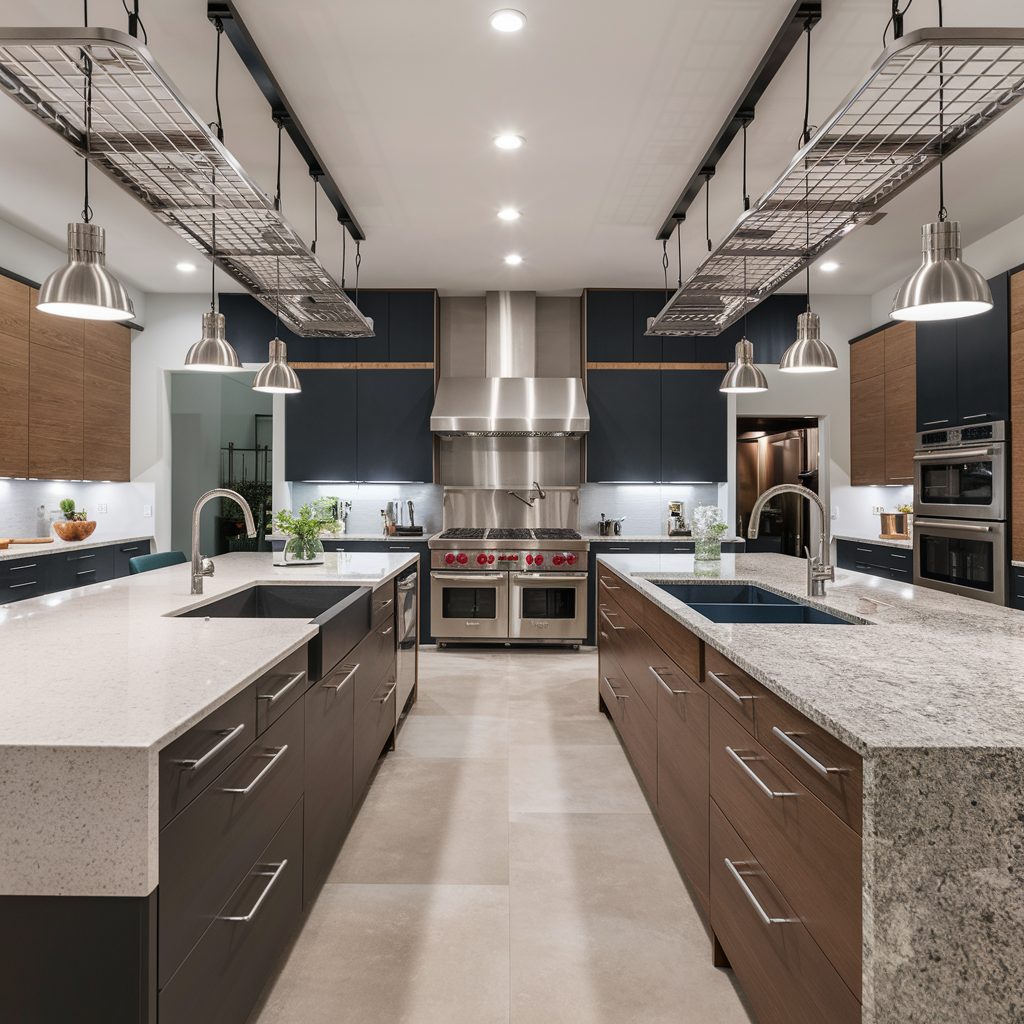
Choosing a resilient material not only boosts the longevity of your kitchen but also reinforces the elegance and cohesiveness of the open kitchen design.
Innovative Cabinet Designs
In an open kitchen, incorporating innovative cabinet designs can significantly enhance both storage capacity and overall visual appeal. Modern cabinetry goes beyond traditional function by offering smart features like soft-close doors, pull-out shelves, and concealed compartments—all of which help maximize space and minimize clutter.
These design elements are especially useful in maintaining the clean, streamlined look that open kitchens require. Consider choosing cabinet styles that feature sleek metal finishes or bold color schemes that align with your room’s décor, contributing to a cohesive and stylish atmosphere.
A well-thought-out storage system like this not only addresses your practical needs but also helps create a more organized and visually balanced kitchen environment, perfectly suited to the open-plan concept.
Utilizing Vertical Space in Open Kitchens
Utilizing vertical space is a smart and often overlooked strategy in open kitchen design. In areas where floor space may be limited, making use of wall height can significantly increase storage potential without compromising the kitchen’s open and airy feel. Tall units should be carefully designed to ensure stability and safe access, avoiding any imbalance that might disrupt the layout or aesthetics.
In addition to traditional wall-mounted cabinets, open shelving can be a stylish and practical way to store smaller kitchen essentials, making them easy to grab while cooking. To further maximize vertical efficiency, consider installing hanging pot racks or magnetic knife strips on unused wall areas.
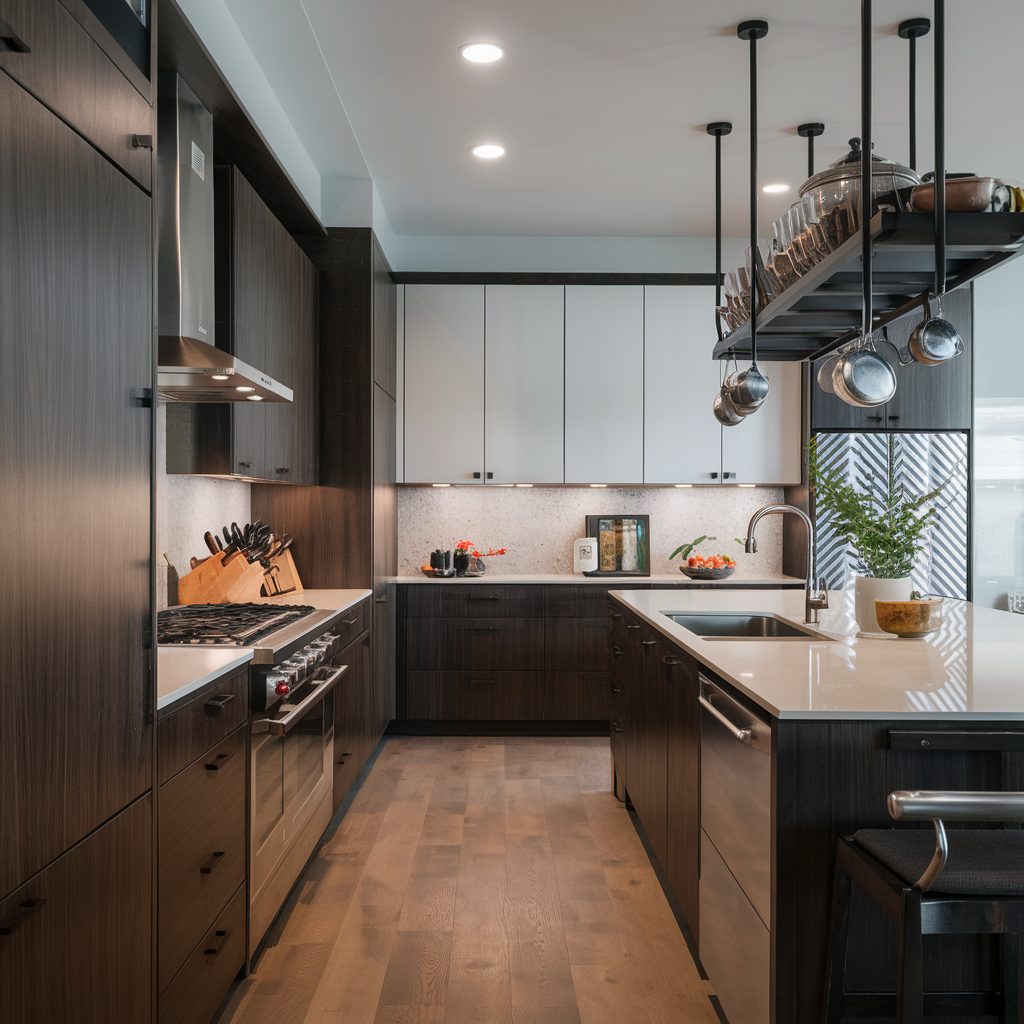
These additions not only free up valuable counter space but also contribute to a more organized, efficient, and functional open kitchen.
Choosing the Perfect Backsplash
In an open kitchen, the backsplash plays a crucial visual and functional role, often serving as a standout feature that anchors the entire design. Choosing the right material is key—options like glass, subway tiles, and stainless steel offer a sleek, modern texture while also being incredibly easy to clean and maintain.
For a cohesive look, the backsplash should complement the benchtop and cabinetry in both color and style, helping to unify the space and create a polished, continuous flow.
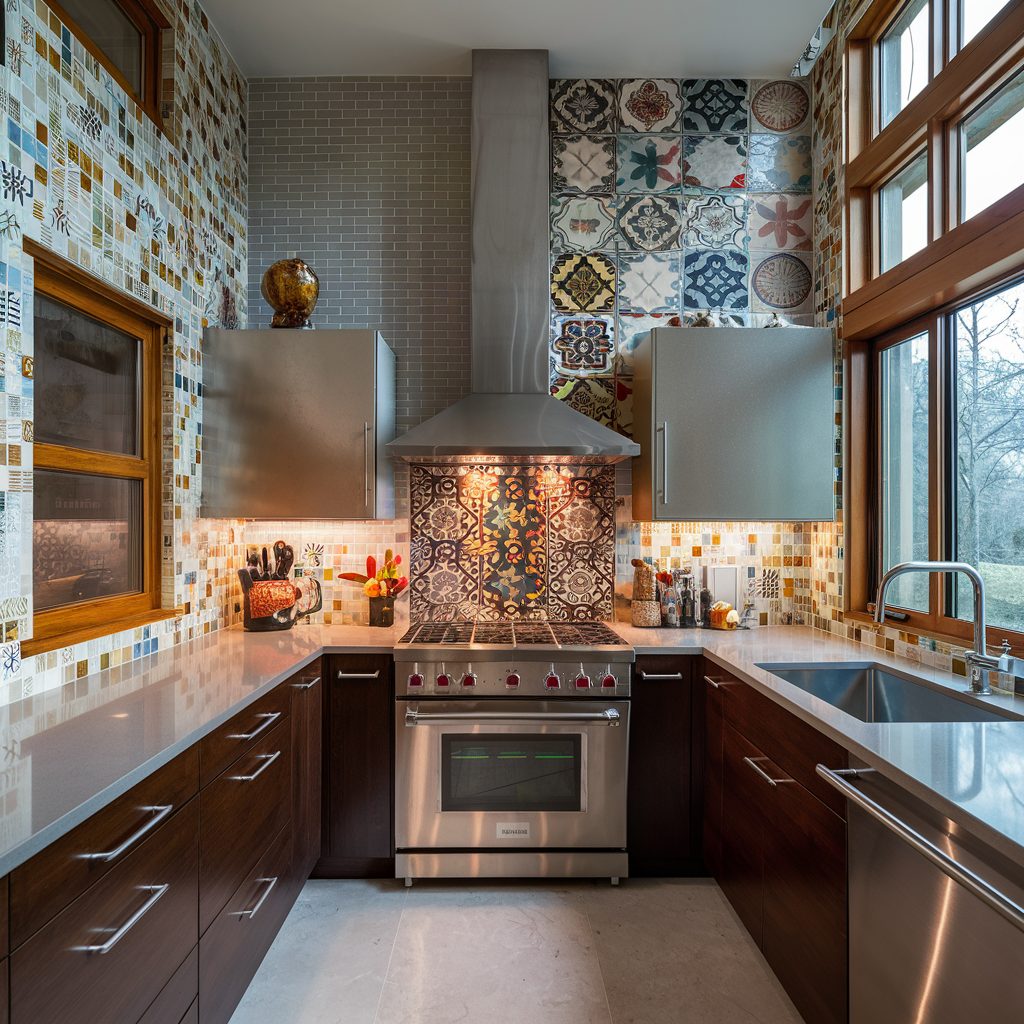
However, if you’re aiming to make a bold statement, consider using a contrasting color or a unique tile pattern to turn your backsplash into a focal point. This touch of creativity can add personality to your kitchen while still maintaining harmony with the overall design.
Incorporating Smart Home Technology
Integrating smart home technology into an open kitchen can significantly enhance both its comfort and efficiency. With the right devices in place, you can control key systems like lighting and HVAC remotely, allowing for personalized settings that match your daily routine or mood. Smart lighting can be dimmed or brightened with a voice command, while temperature adjustments can be made on the go using your smartphone or tablet.
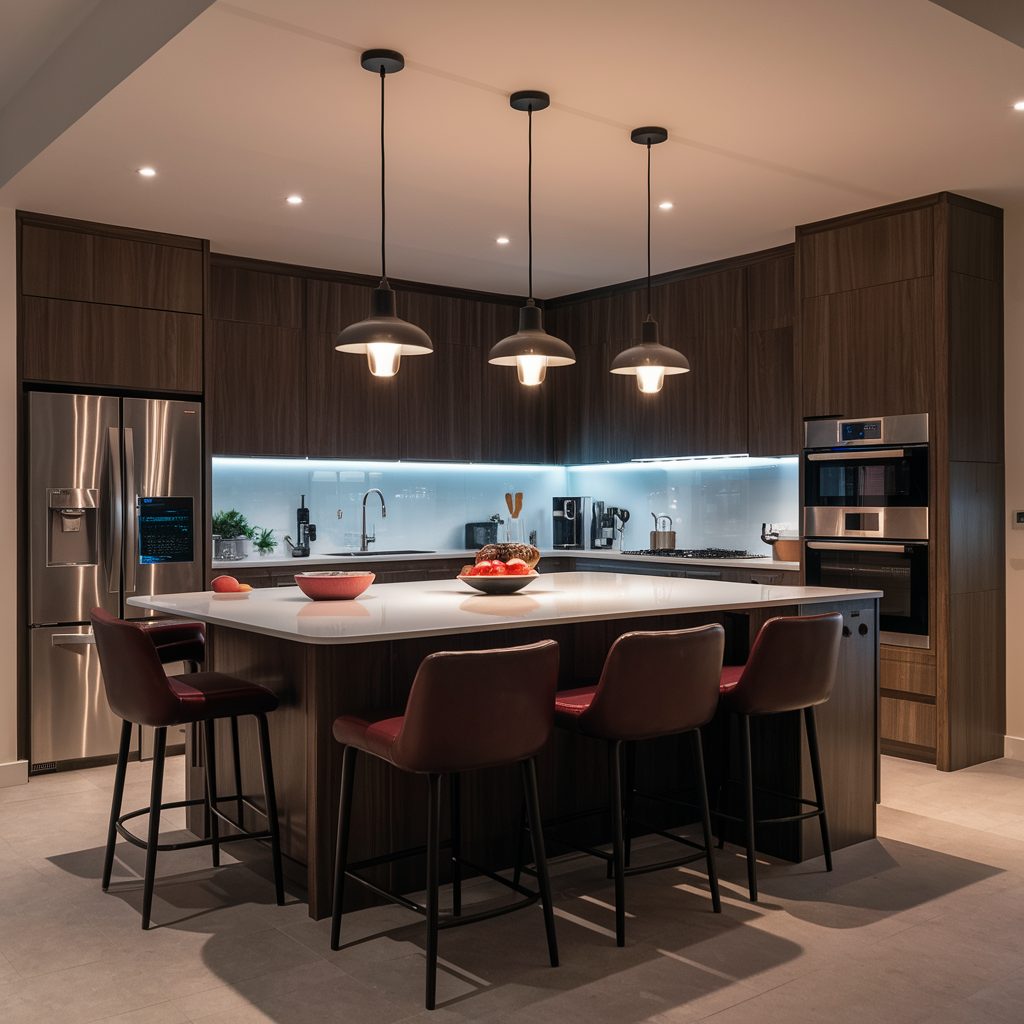
Personal digital assistants, such as voice-activated hubs, can help manage your grocery inventory, set cooking timers, or even suggest recipes based on what’s in your pantry. These technological innovations transform the open kitchen into an intelligent, user-friendly space that not only looks modern but functions at a whole new level of convenience.
Eco-Friendly Open Kitchen Designs
Designing an eco-friendly open kitchen involves thoughtful choices that reduce environmental impact while enhancing the health and efficiency of your home. Sustainable materials—such as countertops made from recycled stone or reclaimed wood—offer a stylish yet responsible alternative to traditional finishes.
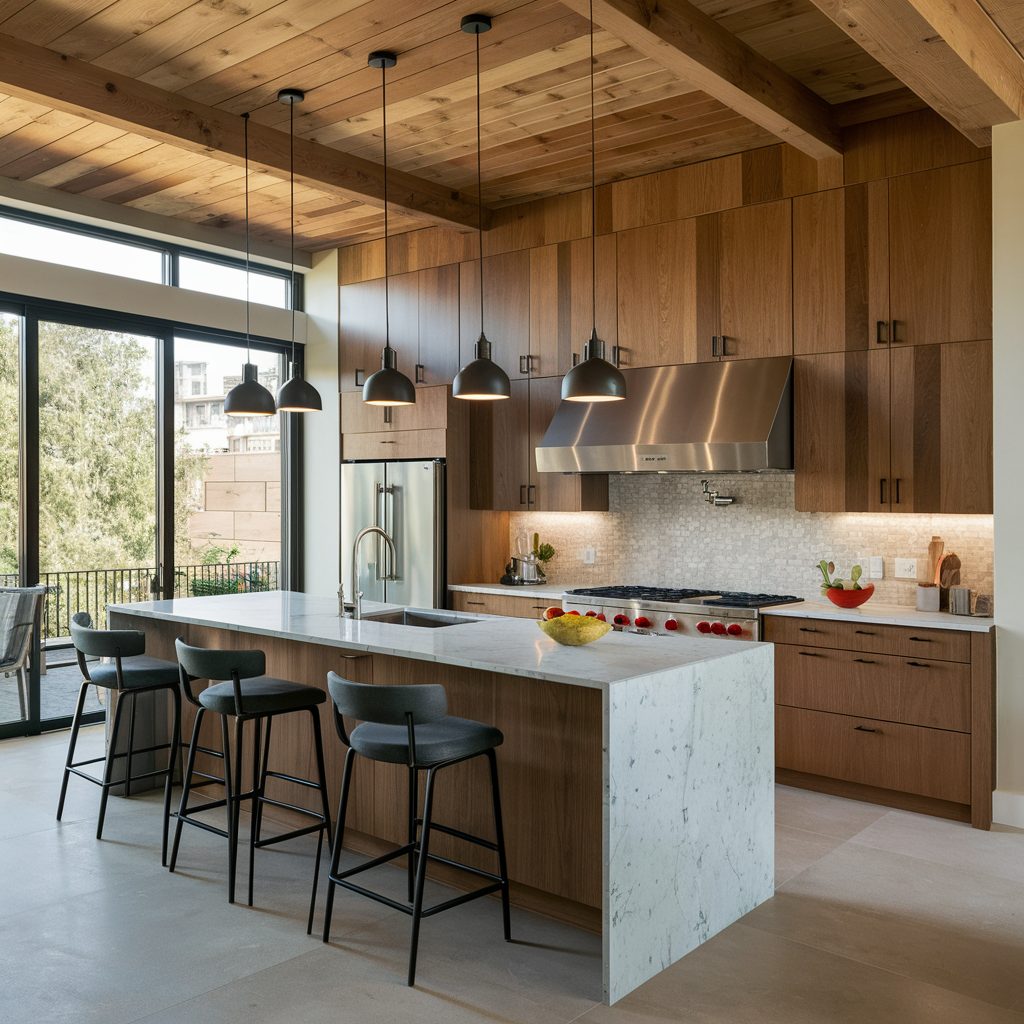
Cabinets crafted from naturally sourced, renewable wood options help lower your carbon footprint while adding warmth and character to the space. To support energy conservation, opt for energy-efficient appliances and consider powering them through renewable energy sources like solar panels, rather than relying solely on the commercial power grid.
Additionally, choosing low-VOC paints, non-toxic finishes, and eco-conscious flooring can significantly improve indoor air quality. By prioritizing cleaner, greener materials and systems, your open kitchen can become a model of sustainability without compromising on comfort or design.
Optimizing Acoustics in Open Kitchens
In an open kitchen that flows directly into the living or dining areas, managing noise levels is essential for maintaining a comfortable and enjoyable environment. Cooking, conversations, and appliance sounds can easily travel and amplify in these open layouts, sometimes reaching levels that disrupt relaxation or social interactions.
To improve acoustics and reduce unwanted echo, incorporate sound-absorbing materials throughout the space. Acoustic panels on walls or ceilings, area rugs underfoot, and heavy curtains in adjoining zones can all help dampen noise.
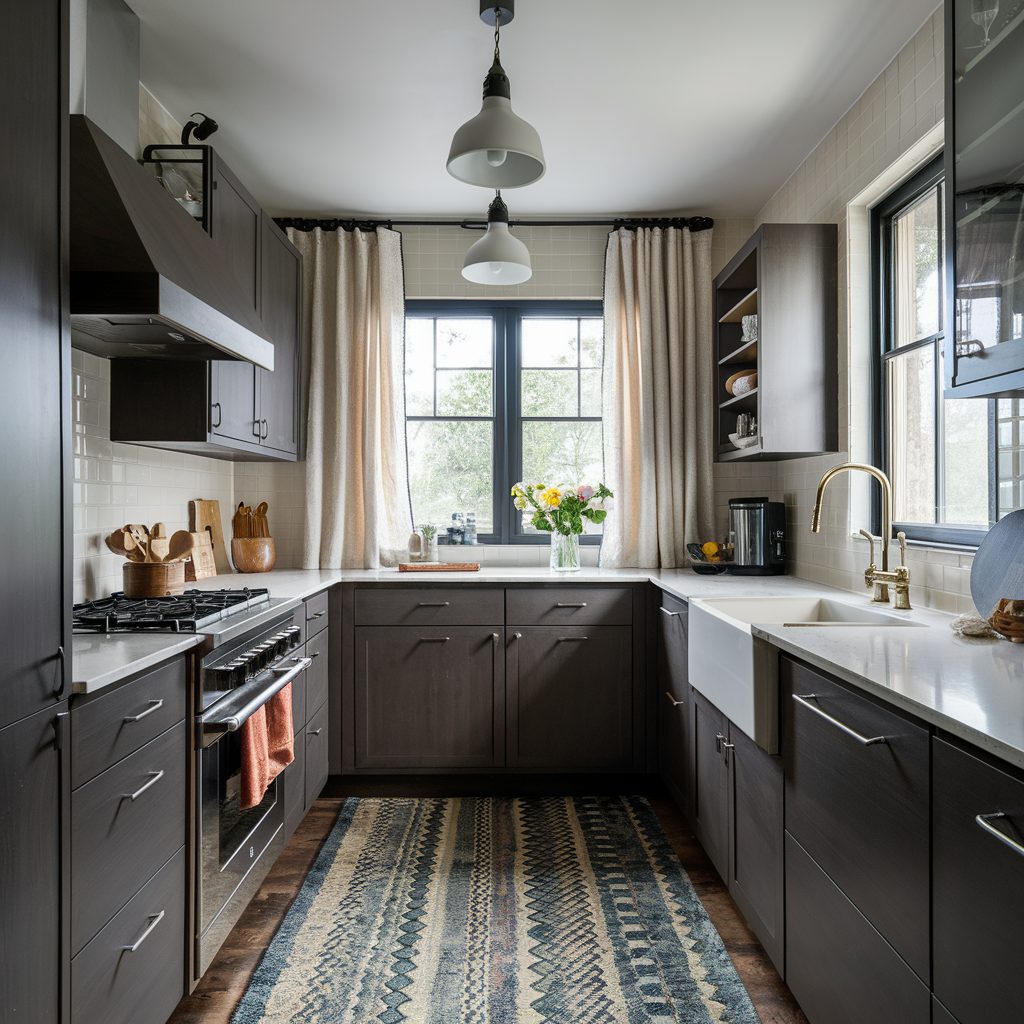
Strategically placing these materials—especially near louder zones like the kitchen or media areas—creates a more peaceful atmosphere, allowing you to enjoy the open space without the distraction of excessive background noise.
Blending Kitchen and Living Room Decor
Creating a cohesive design between your open kitchen and the adjacent living room is essential for achieving a visually harmonious and well-integrated space. One of the most effective ways to tie the two areas together is by maintaining a consistent color palette and using similar materials or finishes across both zones.
Coordinating furniture styles, matching textures, and repeating design elements—such as light fixtures or decorative accents—can help blur the boundaries between the spaces, resulting in a seamless flow.
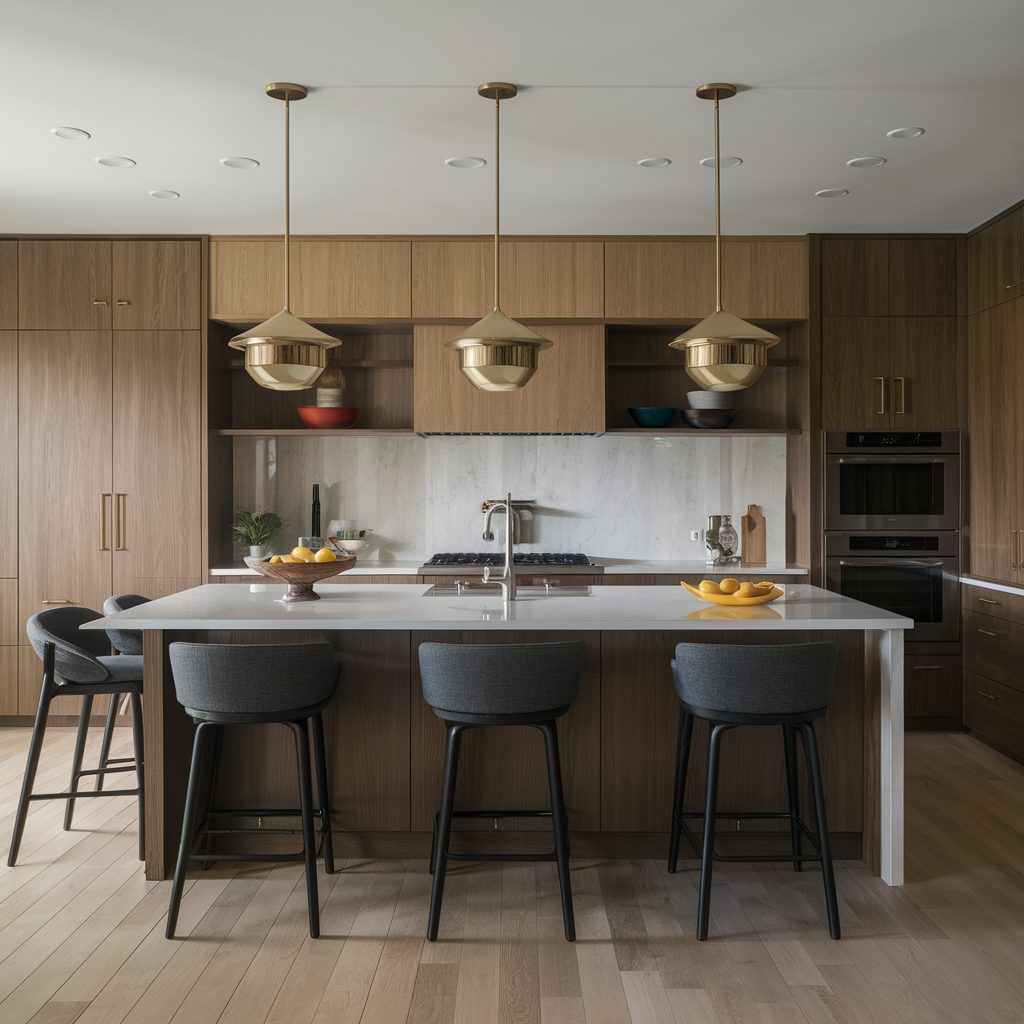
This approach not only enhances the aesthetic appeal of your home but also promotes a unified atmosphere where the kitchen and living room feel like one continuous, thoughtfully curated environment.
Minimalist Design for Open Kitchens
Minimalist design is especially well-suited for open kitchens, as it emphasizes simplicity, efficiency, and clean aesthetics—qualities that enhance both functionality and visual appeal. A minimalistic approach typically features clutter-free countertops, sleek cabinetry, and a neutral color palette that promotes a calm, sophisticated atmosphere.
Open surfaces and streamlined layouts help maintain a sense of spaciousness, making the kitchen feel modern and high-tech while remaining approachable and easy to navigate.
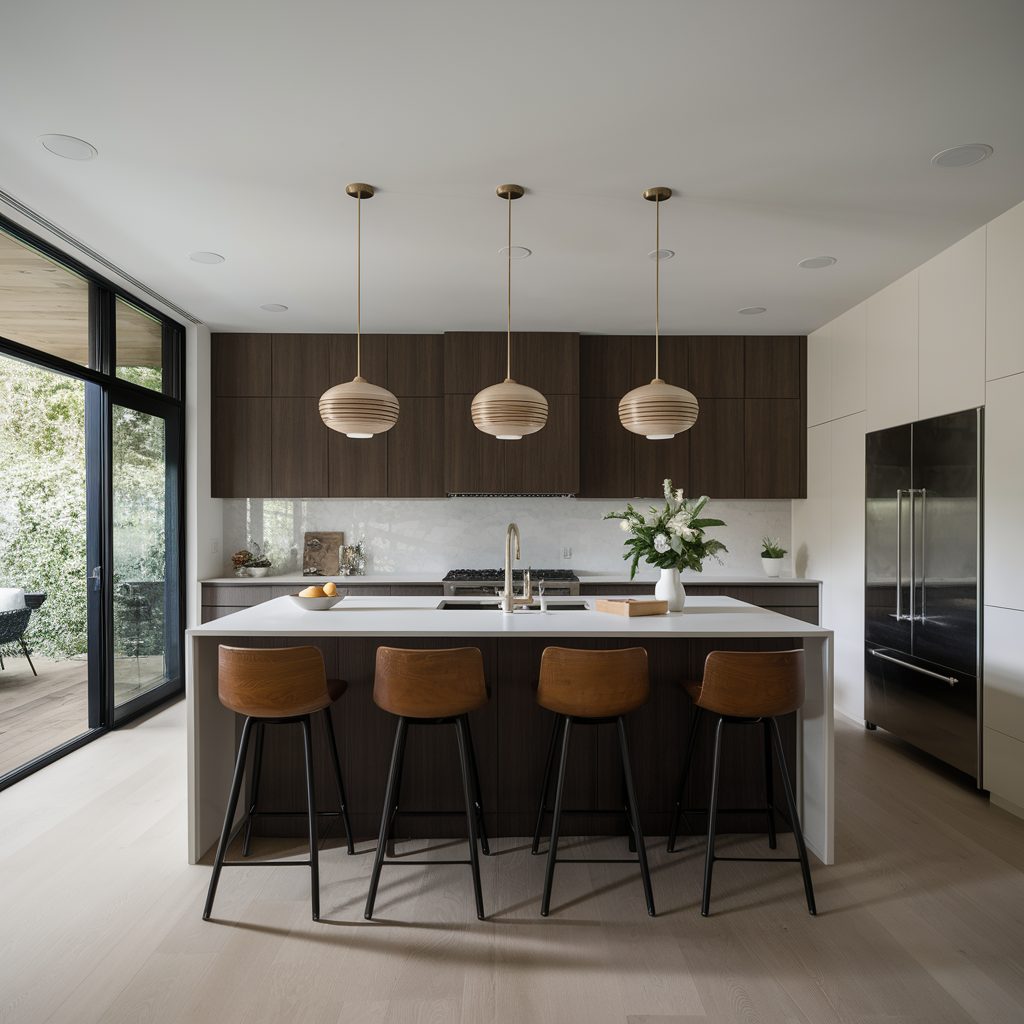
By eliminating unnecessary elements and focusing on purposeful design choices, a minimalist open kitchen creates an environment that is both elegant and practical, perfectly aligned with contemporary living.
The Role of Color Schemes in Open Kitchens
Choosing the right color scheme plays a crucial role in defining the atmosphere and visual appeal of an open kitchen. Colors influence not only the aesthetics but also how spacious, warm, or inviting the space feels. Lighter shades, such as soft whites, creams, or pastels, can make the kitchen appear larger and more open—ideal for maintaining the airy feel that open layouts are known for.
Alternatively, deeper tones like rich grays, earthy browns, or navy blues can introduce a sense of warmth and elegance. Bright or bold colors can be used thoughtfully to highlight focal points, such as a kitchen island or backsplash, adding personality without overwhelming the space.
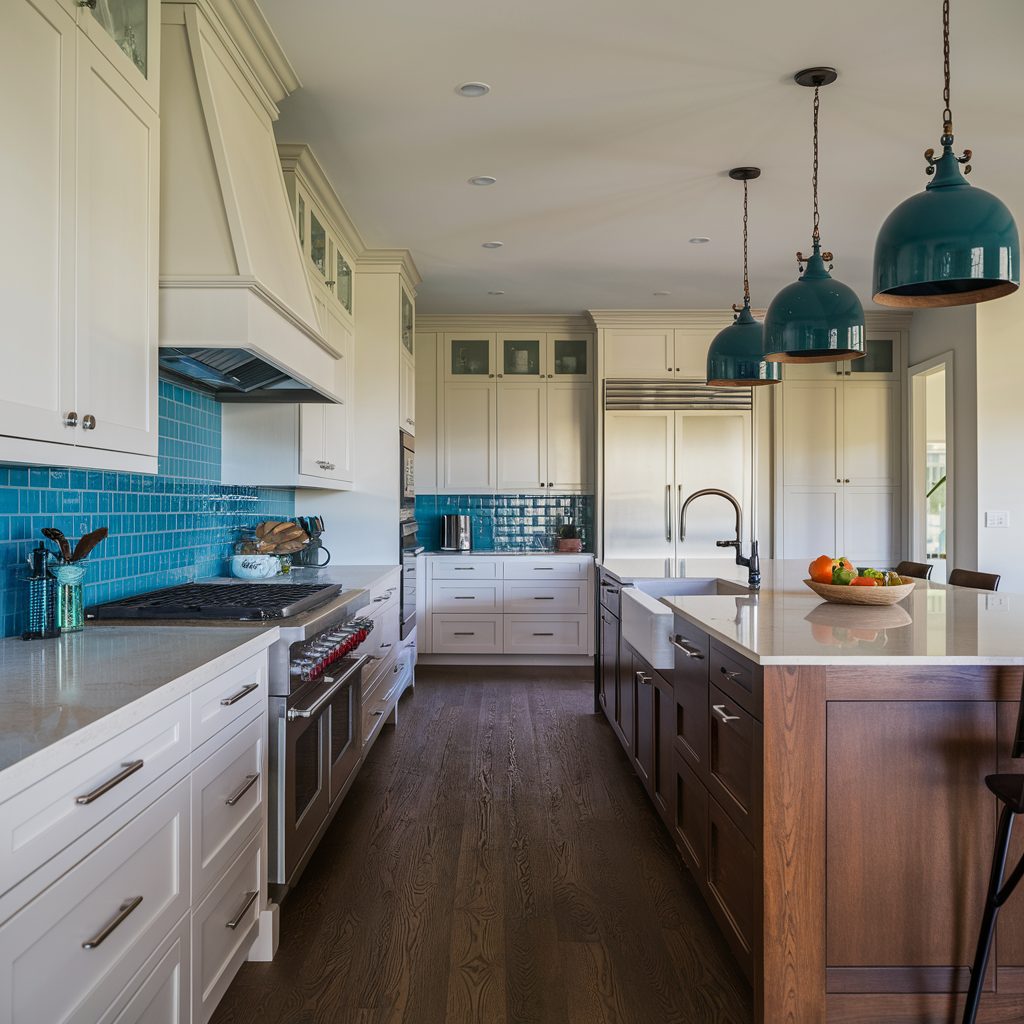
A well-balanced color palette ensures that the kitchen flows smoothly with the adjacent areas, resulting in a visually cohesive and thoughtfully designed open-plan space.
Customizing Open Kitchens to Fit Lifestyle
Designing a custom open kitchen tailored to your lifestyle ensures that the space truly reflects your everyday needs, habits, and design preferences. This personalized approach allows you to create a kitchen that is not only visually appealing but also deeply functional for your specific routine.
For example, if you frequently host large gatherings or family dinners, consider incorporating a spacious kitchen island or bar area with seating, along with features like a built-in wine cooler. If your household includes children, adding a dedicated homework station or a cozy breakfast nook can make the kitchen more inclusive and multi-functional.
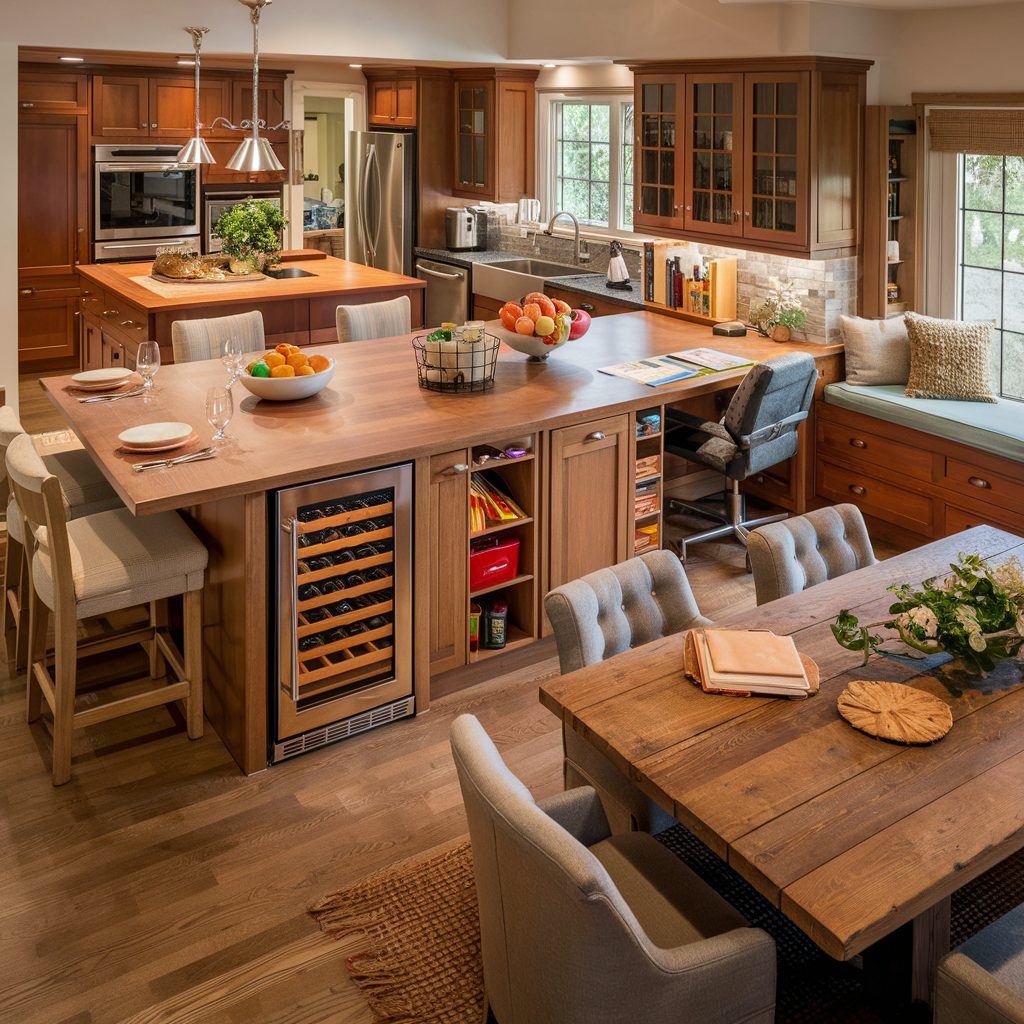
Your design should also take into account your preferred technologies and utilities, such as smart appliances or hidden charging stations. By aligning both the aesthetics and practical features with your unique lifestyle, your open kitchen becomes a space that feels truly your own—efficient, welcoming, and tailored to your daily life.
Managing Open Kitchen Clutter
Maintaining a clean and open space is essential to preserving the sleek, organized look that defines an open kitchen. To achieve this, effective storage solutions must be a top priority. Features like pull-out drawers, built-in organizers, and open shelving help streamline storage, making it easy to keep items neatly arranged and accessible.
It’s also important to regularly declutter visible areas—especially the kitchen island—by removing any non-essential items that aren’t part of your daily cooking routine.
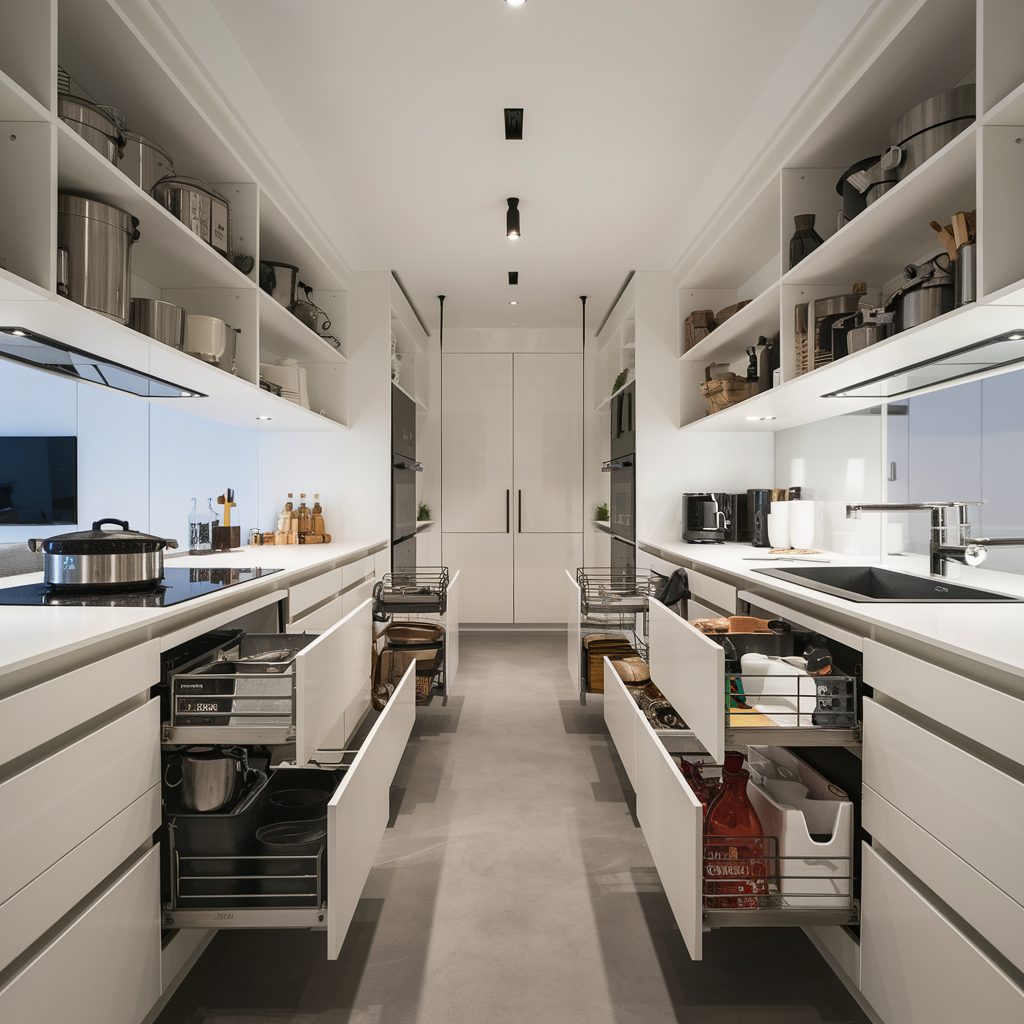
Prioritizing only the most functional elements on work surfaces ensures the space stays visually tidy and efficient to use. This ongoing attention to organization not only enhances the aesthetic appeal of the kitchen but also improves overall functionality, creating a workspace that feels both practical and polished.
The Importance of Ergonomics in Kitchen Design
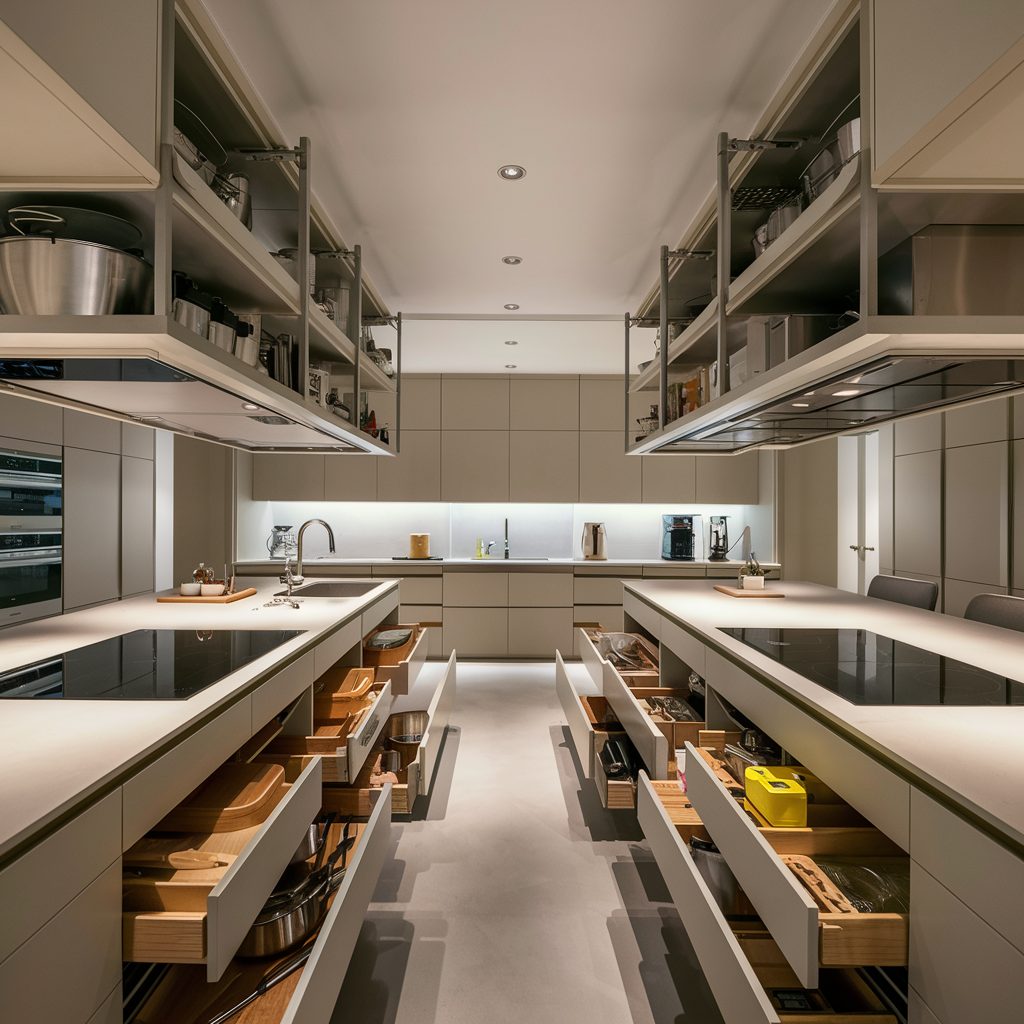
Designing an open kitchen with ergonomics in mind is crucial for ensuring both comfort and efficiency in everyday tasks. An ergonomically planned layout reduces physical strain by placing appliances, workstations, and frequently used items at appropriate heights and within easy reach.
This thoughtful positioning helps minimize unnecessary bending, stretching, or repetitive movements, which can lead to fatigue over time. Features like pull-out shelves, sliding drawers, and soft-close mechanisms are excellent additions that support effortless access to storage while maintaining a clean, organized space.
An ergonomic setup not only enhances your posture and reduces the physical toll of cooking and cleaning but also makes these daily activities more enjoyable. Ultimately, a well-designed ergonomic kitchen transforms routine tasks into smoother, more pleasant experiences.
Budget-Friendly Open Kitchen Renovations
Revamping an open kitchen doesn’t have to break the bank—achieving a stylish and functional transformation is entirely possible with smart, budget-conscious planning. Focus on high-impact, cost-effective updates such as repainting or refinishing existing cabinets, replacing outdated hardware like window handles, and upgrading light fixtures or bulbs to enhance both ambiance and energy efficiency.
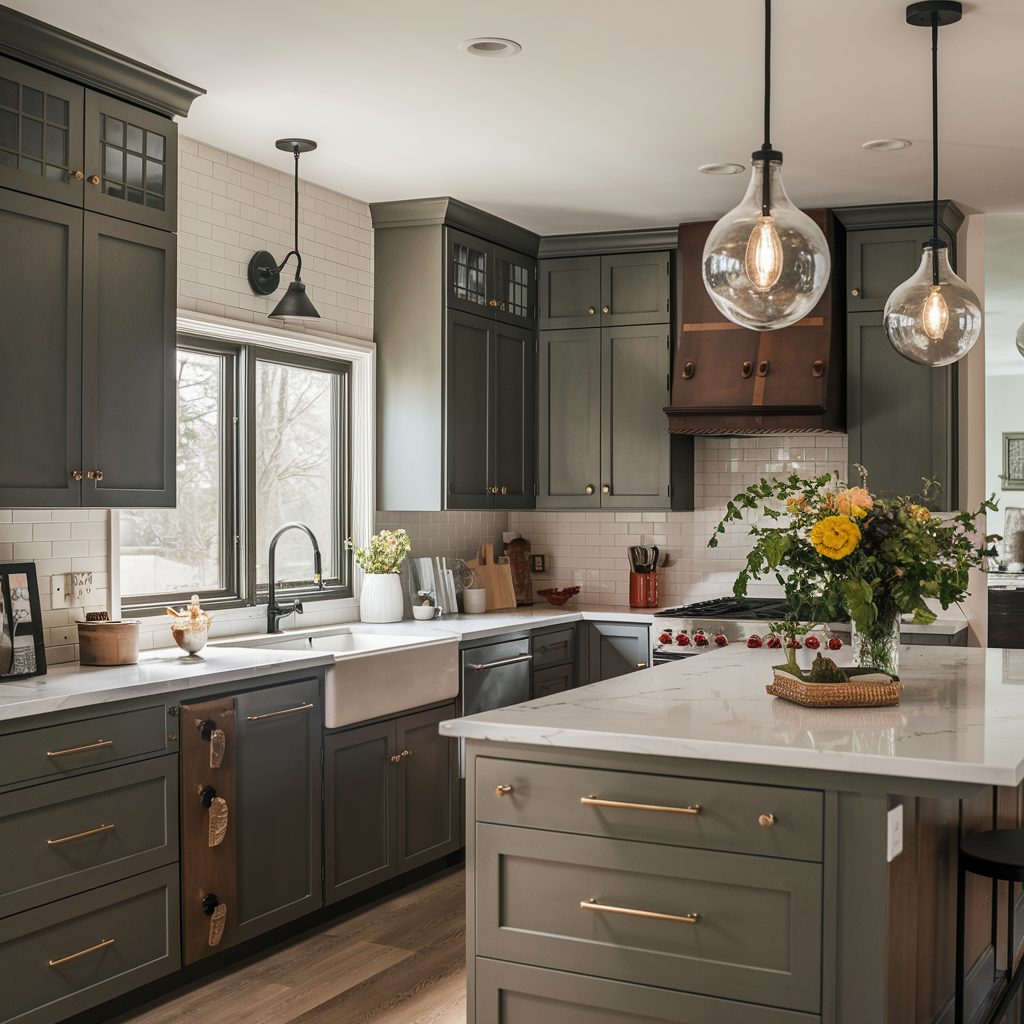
Embracing DIY projects can also make a significant difference; for example, repurposing old furniture or installing open shelving yourself can add charm and practicality without the expense of custom solutions. With a bit of creativity and resourcefulness, you can breathe new life into your kitchen, proving that great design is achievable even with a modest budget.
Incorporating Artistic Elements in Open Kitchens
Incorporating artistic elements into your open kitchen design brings a layer of personality and visual interest that can make the space feel truly one-of-a-kind. Start with standout features such as a uniquely patterned backsplash, custom-designed cabinetry, or bold statement lighting—these can serve as eye-catching focal points and conversation starters.
Adding art pieces or decorative objects that reflect your personal taste helps to further customize the kitchen while maintaining harmony with the overall design theme. Whether it’s framed prints, handcrafted ceramics, or even a chalkboard wall for family notes and sketches, creative touches infuse the space with warmth and character.
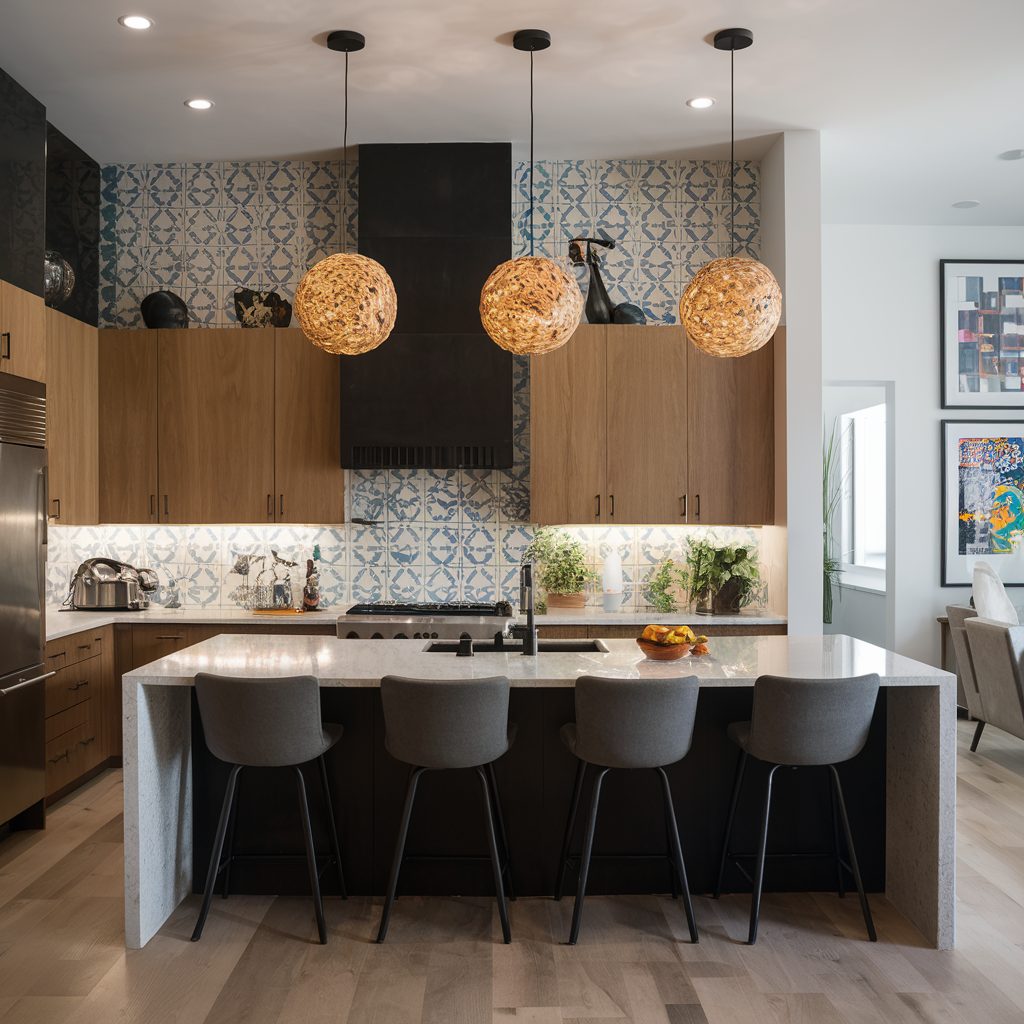
With the right balance of artistry and function, your open kitchen becomes not just a cooking space but a vibrant, inspiring area to gather and enjoy.
Coordinating Furniture with Kitchen Design
Coordinating furniture with your open kitchen is essential for creating a cohesive and visually balanced space. When furniture complements the kitchen’s color scheme, materials, and overall style, it reinforces a unified design language that seamlessly connects the kitchen with surrounding areas.
For instance, selecting bar stools that match the tones or textures of your cabinetry, or choosing a dining table that echoes the finishes of your countertops, helps tie the space together. Even smaller details, such as upholstery fabrics or wood grains, can contribute to a harmonious aesthetic.
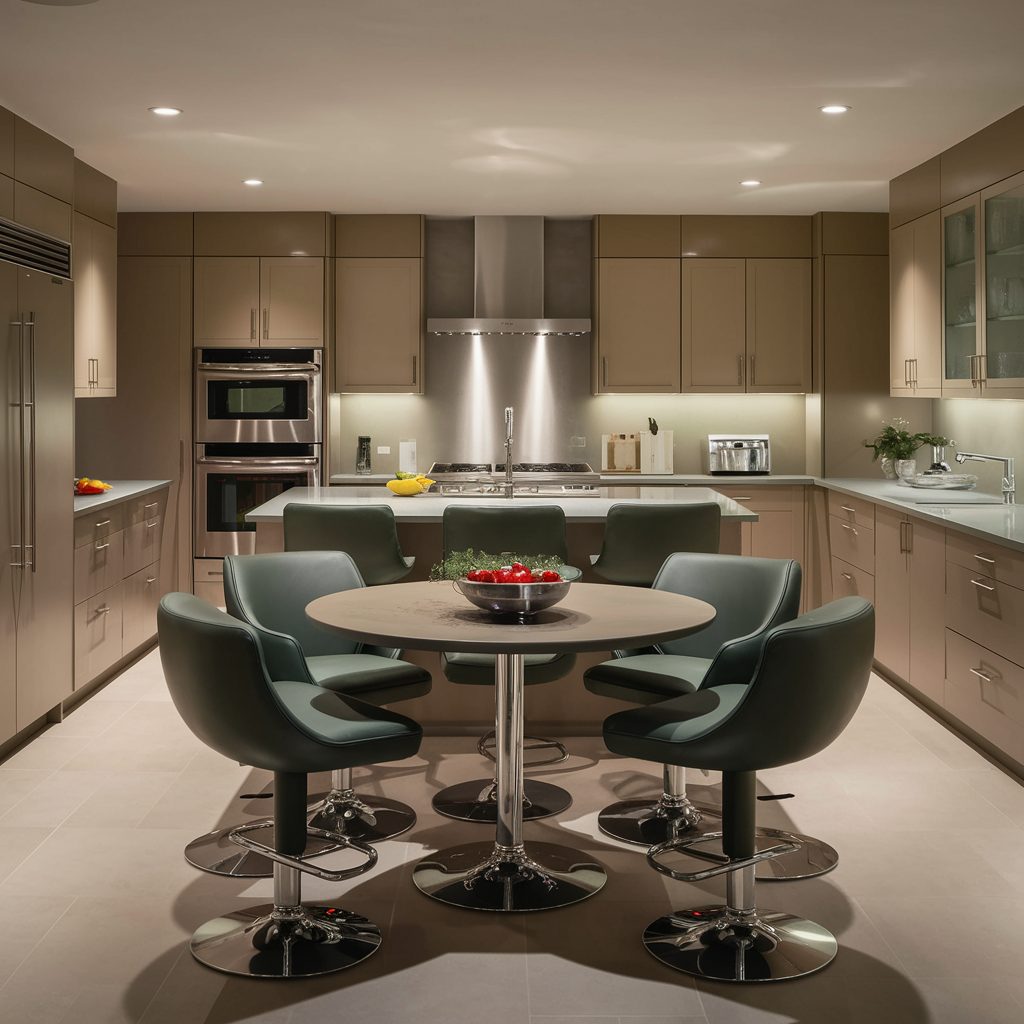
A well-coordinated furniture layout not only enhances the visual appeal of your open kitchen but also strengthens the flow between adjoining rooms, making the entire area feel thoughtfully connected and intentionally designed.
An open kitchen that seamlessly connects the cooking area with the living space offers numerous benefits—from fostering greater social interaction to making the most of available square footage. This fluid layout encourages easy conversation and connection, allowing you to engage with family or guests while preparing meals.
By thoughtfully selecting complementary design elements and incorporating intelligent storage solutions, you can create a space that is both highly functional and visually appealing. Whether you’re drawn to modern minimalism or a more eclectic style, an open kitchen can be tailored to reflect your lifestyle and design preferences.
We’d love to hear your thoughts—feel free to share your opinions or experiences in the comments section below!


