
55 Best Open Concept Kitchen Living Room Layouts

The appeal of open concept living lies in its remarkable ability to establish a seamless and fluid connection between different areas of the home, especially the kitchen and living room. By removing traditional barriers, this layout transforms separate rooms into one cohesive, multifunctional space that feels both spacious and inviting.
Whether you’re embarking on a major renovation or simply giving your interior a thoughtful refresh, our carefully curated list of 55 open concept kitchen living room ideas provides practical and stylish inspiration. From enhancing natural light flow to choosing furniture that complements both function and form, these expert tips are designed to guide your transformation journey.
Embrace the versatility and elegance of open concept living and reimagine your home as a space that truly blends comfort, style, and thoughtful design.
Advantages of a Living Room with an Open Concept Kitchen
The open concept kitchen living room design has rapidly gained popularity in contemporary interior design, thanks to its numerous advantages and relatively straightforward implementation. One of its standout benefits is the way it maximizes available space—by eliminating walls that typically separate the kitchen and living areas, this layout merges the two into a unified and spacious environment.
This architectural openness encourages fluid movement and creates an airy, unrestricted feel throughout the home. Beyond just aesthetics, it fosters a more connected and social atmosphere where families can cook, dine, and unwind together without feeling isolated in separate rooms.
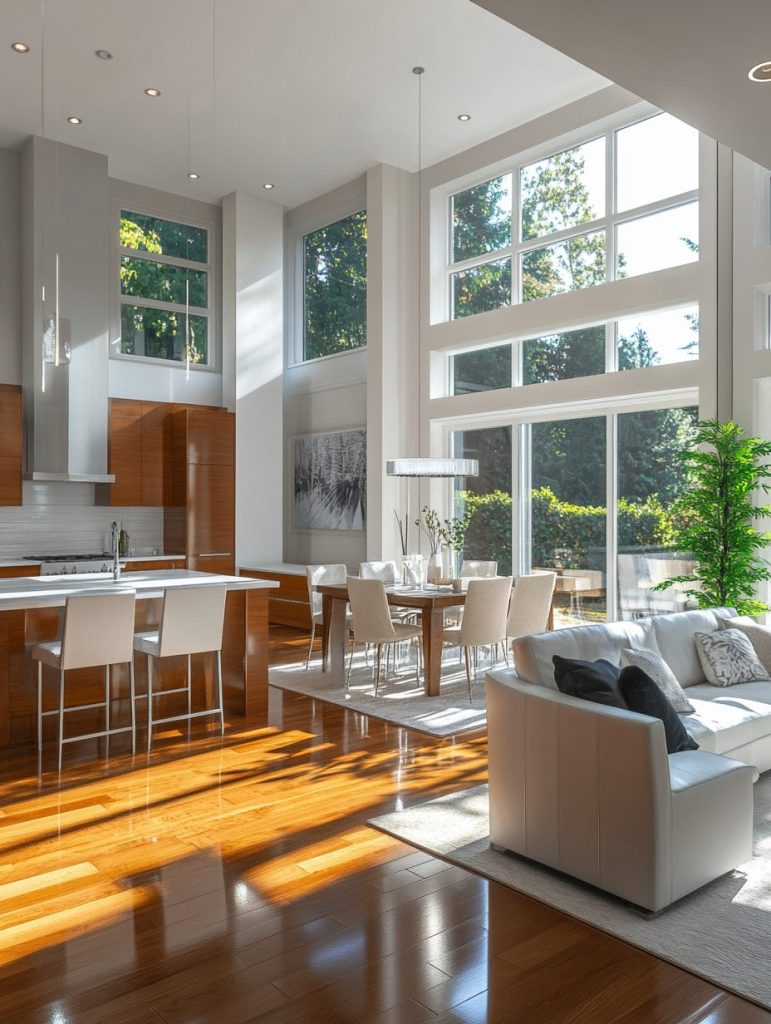
The absence of barriers not only enhances communication but also significantly improves the flow of natural light, making the entire area feel brighter, more welcoming, and full of life. It’s a design choice that balances practicality with warmth, making any modern home feel more inviting and functional.
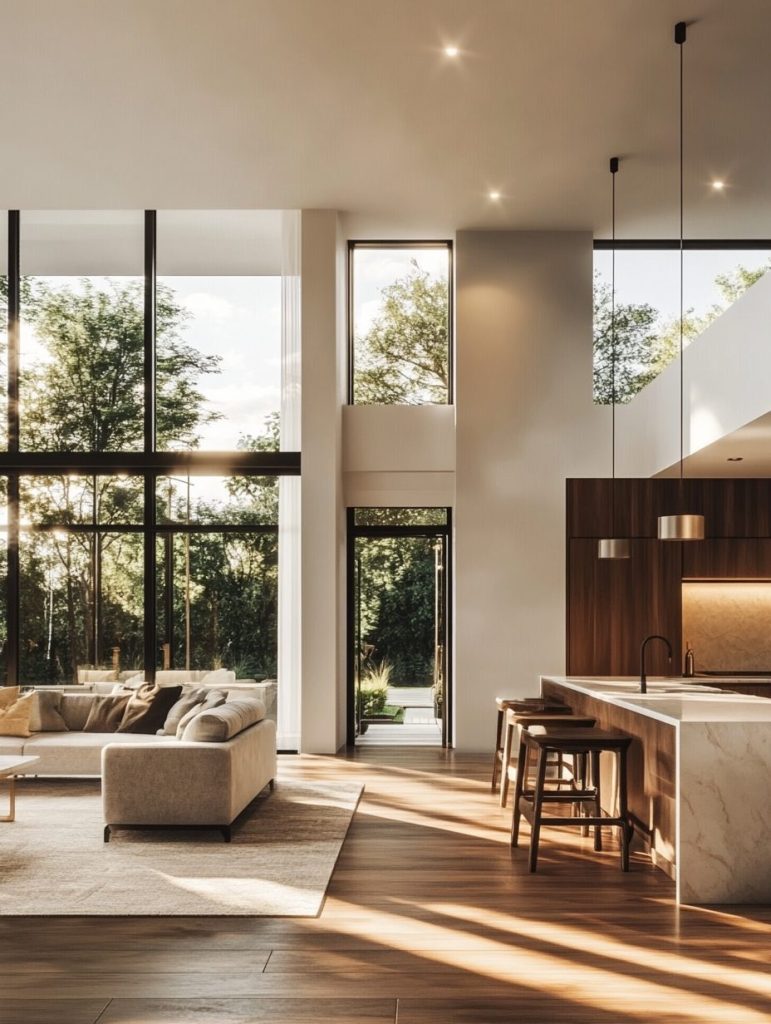
Planning Your Open Concept Layout
When designing an open concept kitchen living room layout, it’s essential to strike a balance between functional efficiency and visual harmony. Thoughtful planning plays a key role in ensuring the space not only looks cohesive but also works effectively for daily living. A primary step in this process is to define the individual zones—such as areas designated for cooking, dining, and lounging—without disrupting the seamless flow that open layouts are known for.
This can be creatively accomplished through strategic use of area rugs, variations in lighting to set different moods, and smart furniture placement that subtly marks each section.
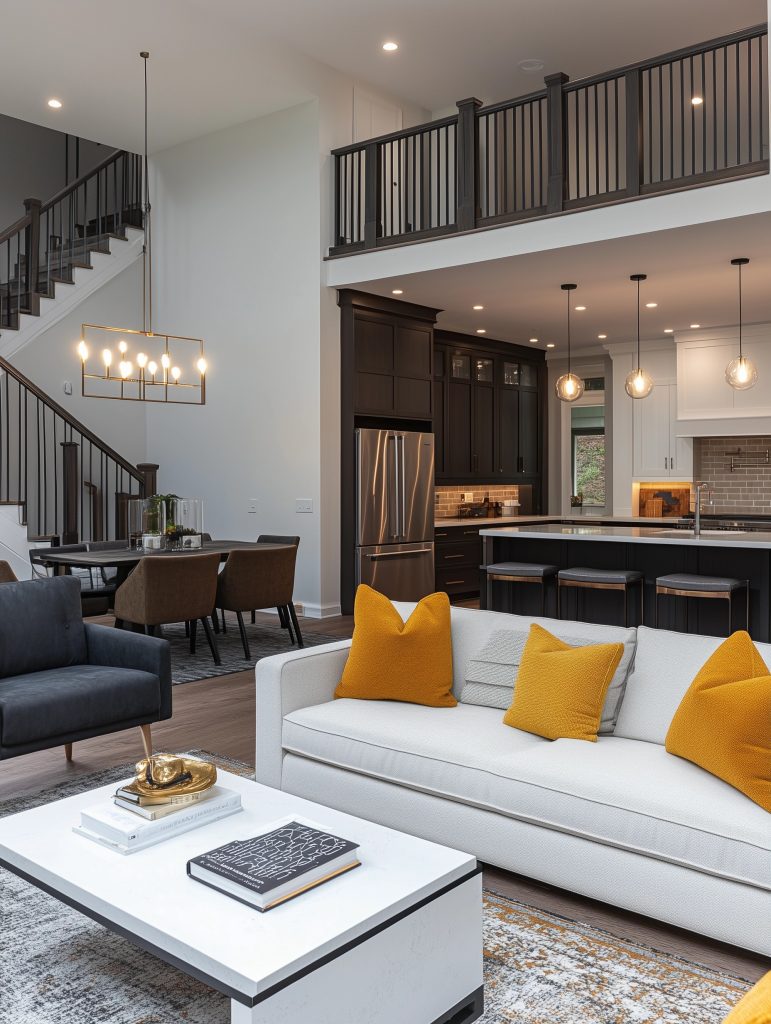
For instance, pendant lights over the dining table or a sectional sofa can visually separate spaces while maintaining an open, airy feel. With the right approach, even compact interiors can be transformed into practical, stylish living environments that feel spacious, well-organized, and inviting.
Integrating the Kitchen and Living Room
Successfully merging the kitchen and living room in an open concept kitchen living room layout requires a deliberate and cohesive design strategy. To achieve visual unity, it’s important to choose elements that complement one another across both areas. Using matching cabinetry, countertops, and finishes creates a harmonious backdrop that ties the kitchen seamlessly to the living space.
Adding a kitchen island or a breakfast bar can serve as an effective transitional feature, acting as both a practical work surface and a visual bridge between the two zones. Attention to detail is crucial—opt for sleek, streamlined appliances and smart storage solutions to maintain a clean, uncluttered aesthetic.
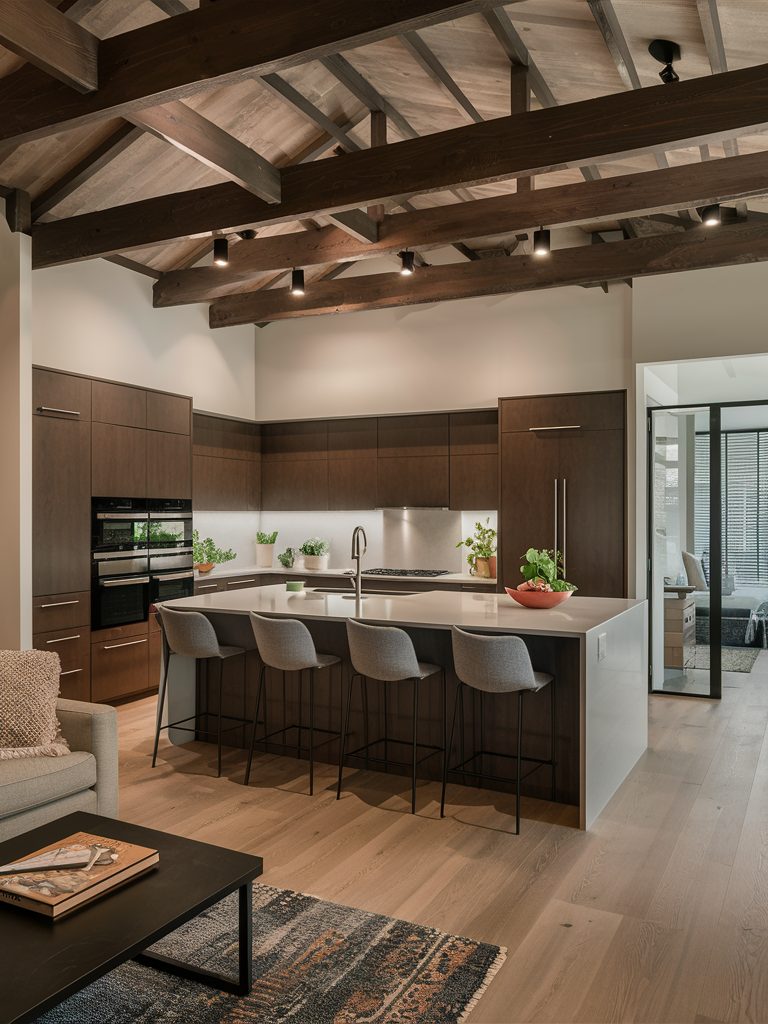
It’s equally vital to plan the layout with clear traffic flow in mind. Ensure pathways remain open and unrestricted so that movement between spaces feels effortless. When done right, the integration of these design choices will result in a stylish, functional, and fluid open living environment.
Multi-Level Studio
A multi-level studio that spans three floors can be a brilliant solution for enhancing space efficiency within a small open layout kitchen living room. By incorporating split levels, you can cleverly distinguish different functional zones—such as cooking, dining, and lounging—while preserving the open, airy feel that defines this concept. For instance, slightly elevating the living room above the kitchen not only marks a clear division of space but also adds depth and dimension to the overall layout.
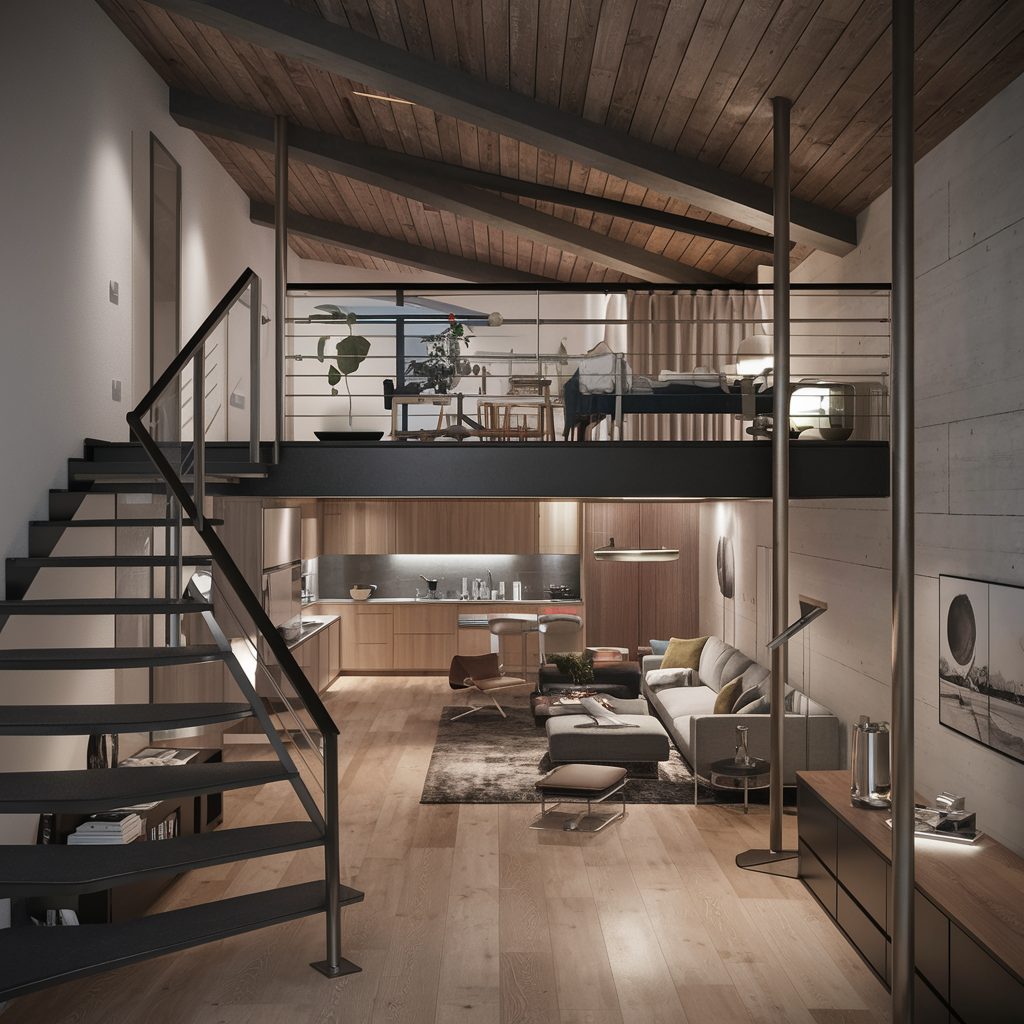
The inclusion of modern, minimalistic railings and open staircases further strengthens the visual connection between levels, creating an architectural flow that feels both cohesive and striking. This design approach not only expands usable space vertically but also introduces an engaging, layered aesthetic that adds personality and movement to even the most compact homes.
Combined Layout with Wide Windows
Combining the kitchen and living room with wide windows or large glass doors takes the open concept kitchen living room layout to a whole new level by seamlessly blending the indoors with the outdoors. This design not only reinforces the spacious feel of an open layout but also allows for an abundance of natural light to flood the entire area.
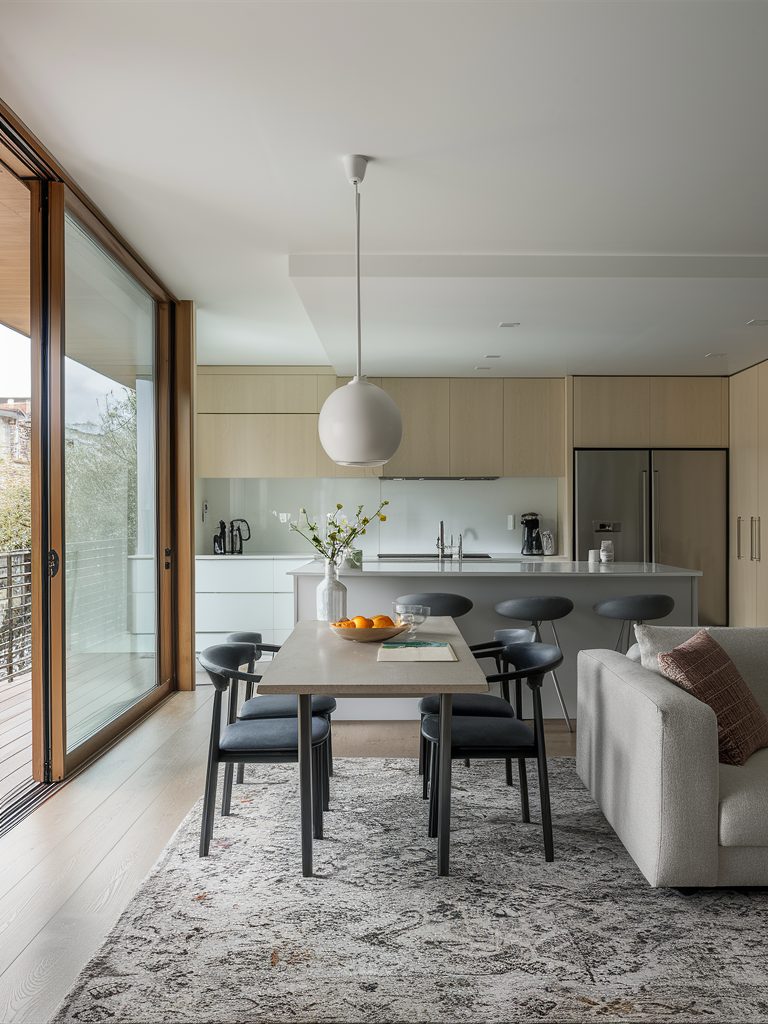
Whether you choose expansive picture windows or opt for sliding glass doors that open to a patio or balcony, the connection to the outside world makes the room feel larger, airier, and more inviting.
This layout is especially ideal for those who appreciate the uplifting effect of natural light and the sense of openness it brings. It creates a visual extension of the living space, allowing residents to enjoy outdoor views and sunlight at any time, which enhances both comfort and aesthetic appeal.
Dining Area on the Partition
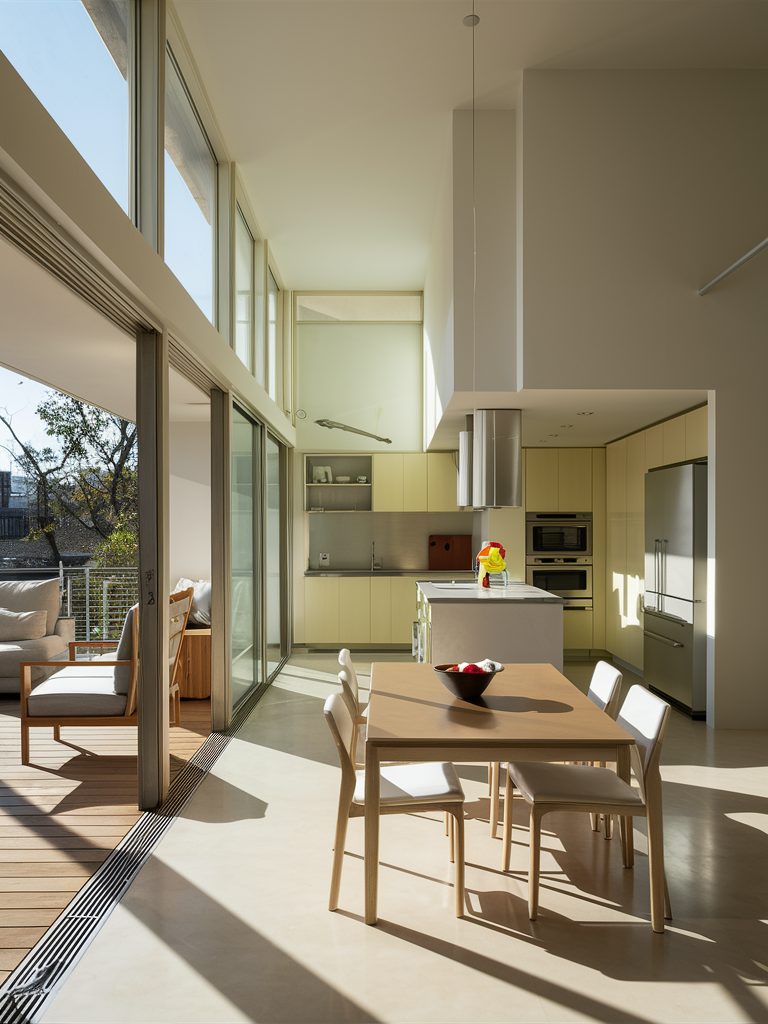
Positioning a dining area along a partition in an open concept kitchen living room dining layout is a smart way to subtly separate the kitchen from the living space without the need for full walls. This setup maintains the open feel of the environment while still giving each functional zone its own identity.
You can use partial dividers, such as half walls, shelving units, or elegant glass partitions, to create this distinction without blocking natural light or visual flow. Select a dining table and chairs that complement the surrounding décor, helping the space feel cohesive and thoughtfully styled. Adding a statement pendant light or a linear chandelier above the dining area not only enhances visibility but also anchors the space visually.
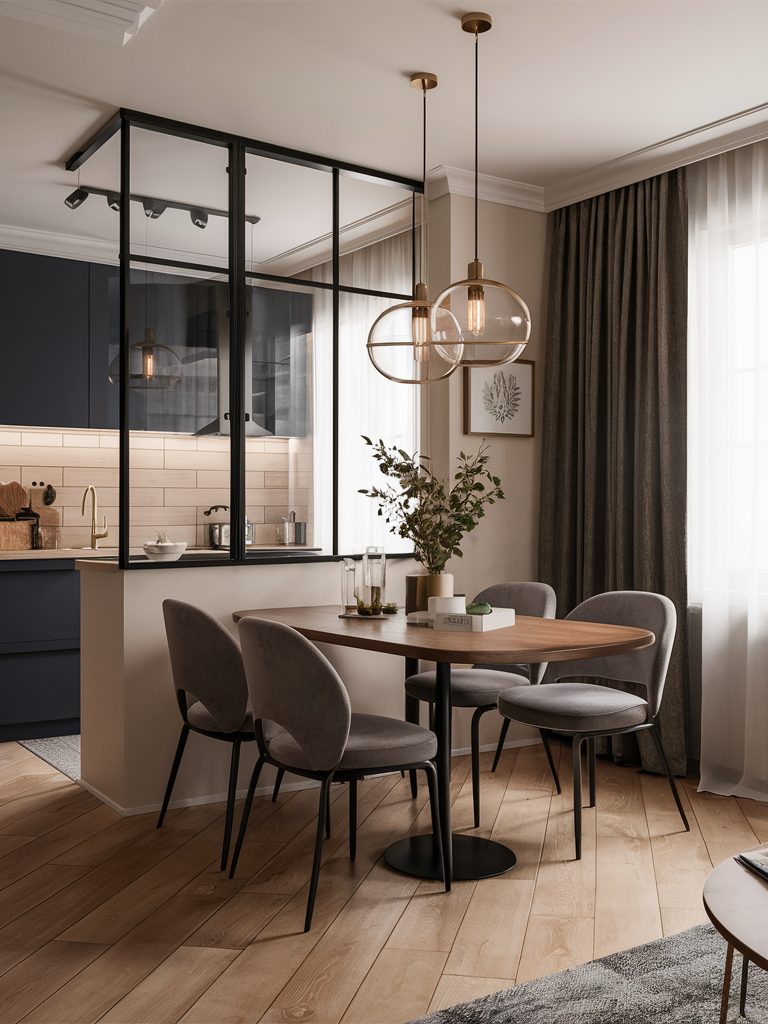
This layered approach helps create a sense of balance and purpose in the layout while preserving the openness and flow that defines modern open-plan living.
Large Kitchen-Living Room
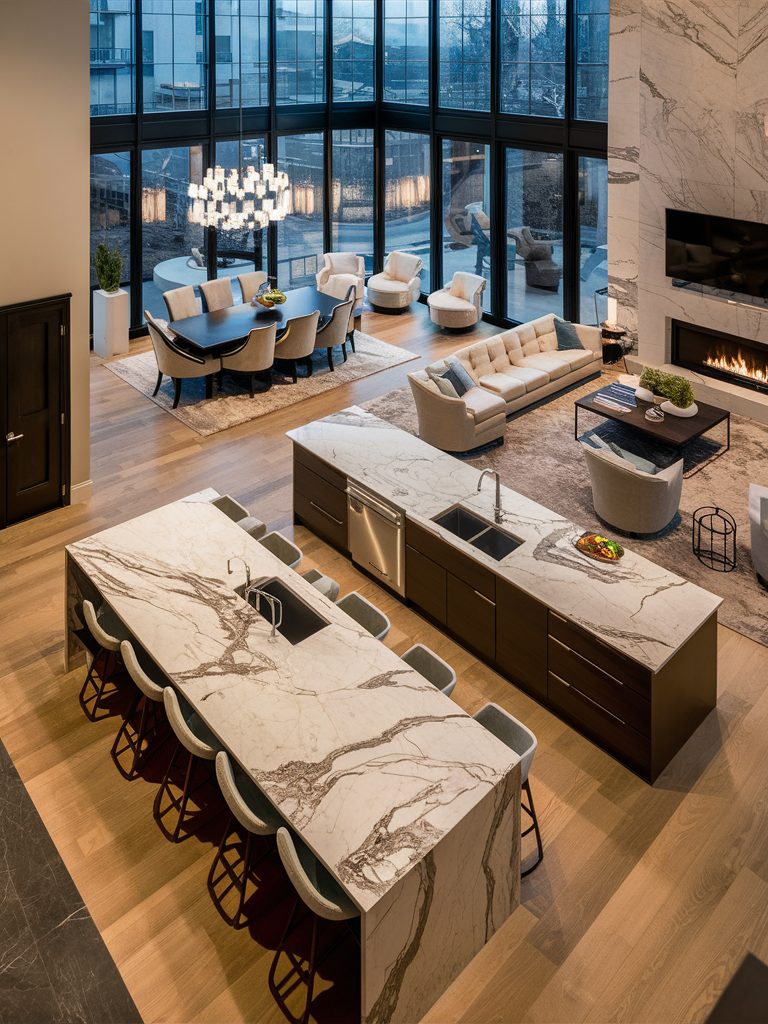
A large open concept kitchen-living room layout is ideal for homeowners who value both spaciousness and a refined sense of luxury. This expansive design offers the flexibility to create distinct zones within a unified space, allowing you to accommodate various functions such as cooking, dining, entertaining, and relaxing—without the interruption of walls. The kitchen can serve as a warm and functional hub for everyday family meals, while a designated dining area provides a touch of formality and privacy when needed.
Meanwhile, the living area, complete with cozy seating and features like a fireplace or entertainment center, becomes the perfect spot for quality time with loved ones. To elevate the space further, consider incorporating premium materials such as marble countertops, hardwood or engineered wooden floors, and custom cabinetry.
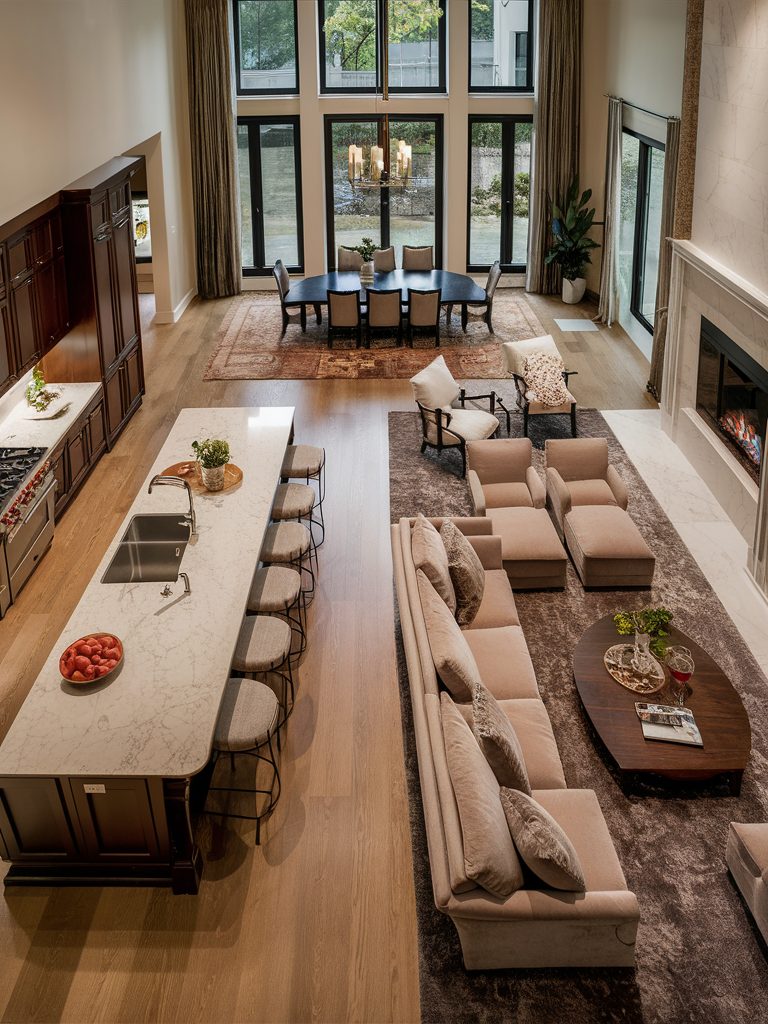
These high-end finishes not only enhance the visual appeal but also contribute to the overall sense of sophistication. This layout is especially well-suited for hosting social gatherings and creating a welcoming environment that seamlessly blends style, comfort, and practicality.
Small Kitchen-Living Room
Designing an open plan small kitchen-living room requires a thoughtful and strategic use of space, with a strong focus on functional yet stylish furniture. Even in a compact layout, it’s entirely possible to achieve both comfort and visual appeal with the right elements. Opt for a streamlined kitchen fitted with built-in appliances to minimize clutter and maximize efficiency. A small island or a sleek breakfast bar can serve as both a prep area and an informal dining spot without overwhelming the room.
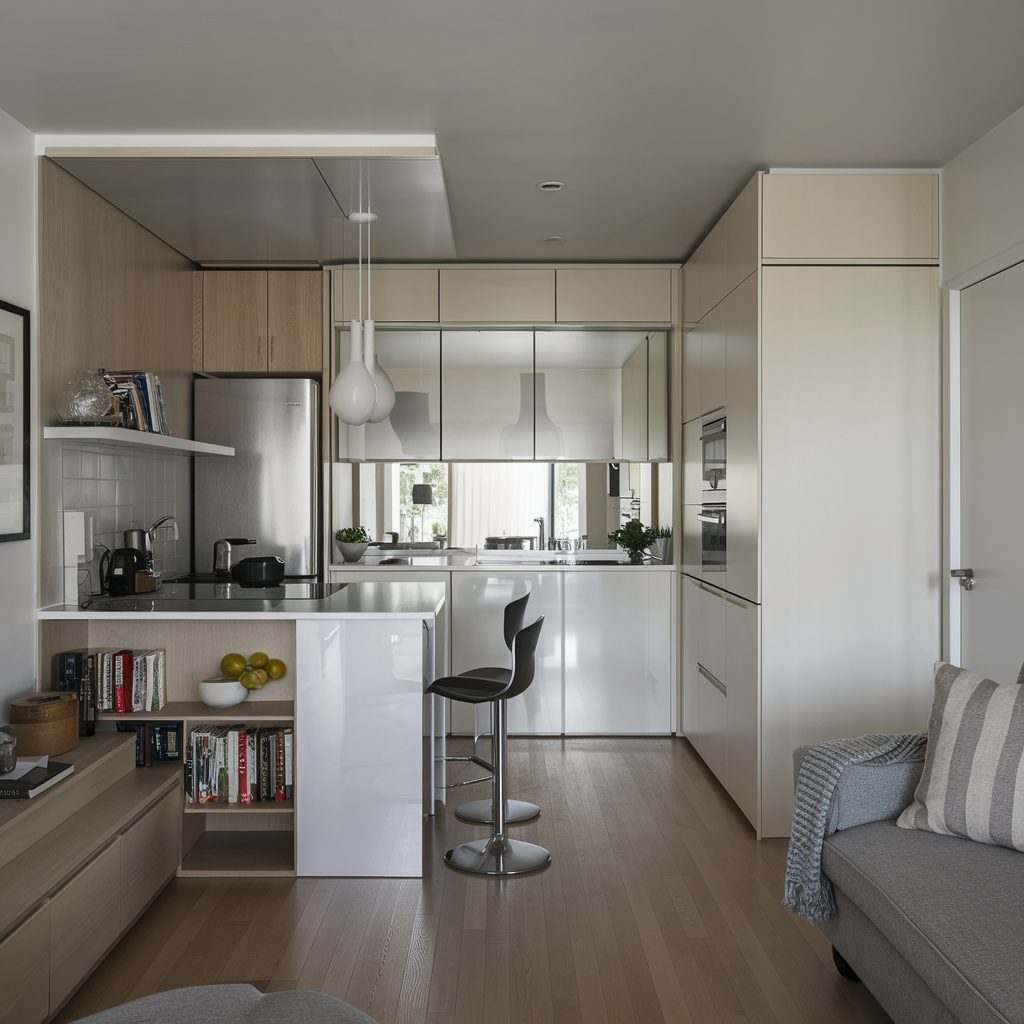
To visually enlarge the space, lean into light color palettes and incorporate reflective surfaces like glossy cabinetry or glass tiles, which help bounce light around the room. Multifunctional furniture is key—pieces like a sofa bed, extendable dining table, or nesting side tables offer flexibility while saving space.
Simple, single-piece furniture with clean lines not only supports a tidy aesthetic but also enhances the open feel of the interior. With the right design choices, even the smallest open concept kitchen-living room can feel airy, modern, and inviting.
Bright Colors of the Kitchen-Living Room
Incorporating bright colors into an open concept kitchen living room layout is a powerful way to infuse personality, warmth, and energy into the space. By thoughtfully applying vivid hues—whether through colorful cabinetry, eye-catching backsplashes, or bold furniture—you can create striking focal points that naturally draw attention and define the character of the room. For example, introducing shades like deep teal, mustard yellow, or emerald green in specific zones adds vibrancy without overwhelming the entire layout.
Bright accents in the kitchen can be echoed in the living room through textiles, artwork, or statement chairs, tying the two areas together. To maintain balance and avoid a chaotic feel, it’s wise to offset these bolder elements with neutral tones—such as soft grays, whites, or taupes—particularly on walls or flooring.
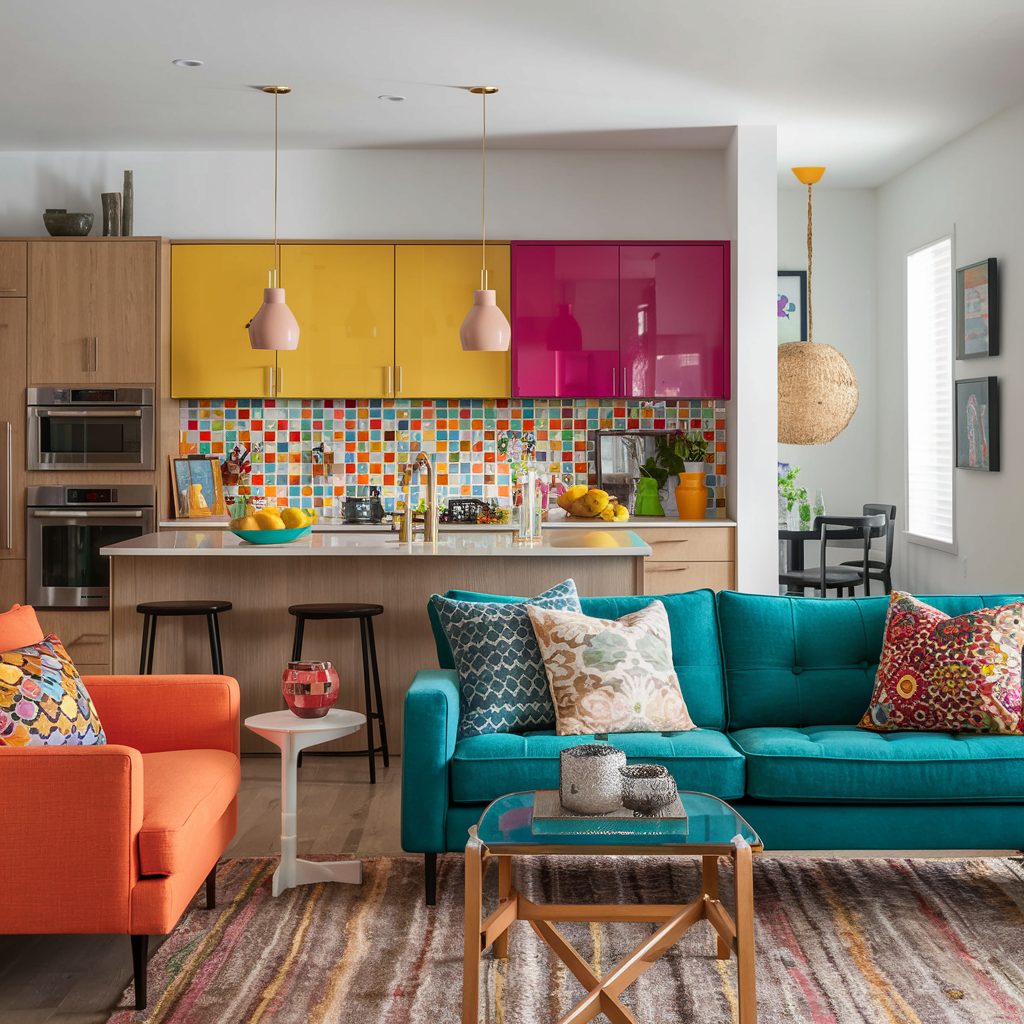
This contrast ensures the space remains cohesive and stylish, allowing the bright colors to shine without disrupting the open, airy ambiance that defines a successful open concept design.
Choosing the Right Flooring
In an open concept kitchen living room, furniture selection plays a vital role, but the choice of flooring is equally crucial in creating a smooth and cohesive transition between the two spaces. Consistency in flooring materials helps unify the design and makes the entire area appear more expansive and harmonious.
Opt for durable yet stylish options such as hardwood, laminate, or mosaic tiles, all of which are well-suited for high-traffic, multi-functional spaces. Using the same type of flooring throughout not only enhances visual continuity but also contributes to a seamless flow that supports the open layout. To further define individual zones within the open space—like the dining and living areas—consider incorporating area rugs.
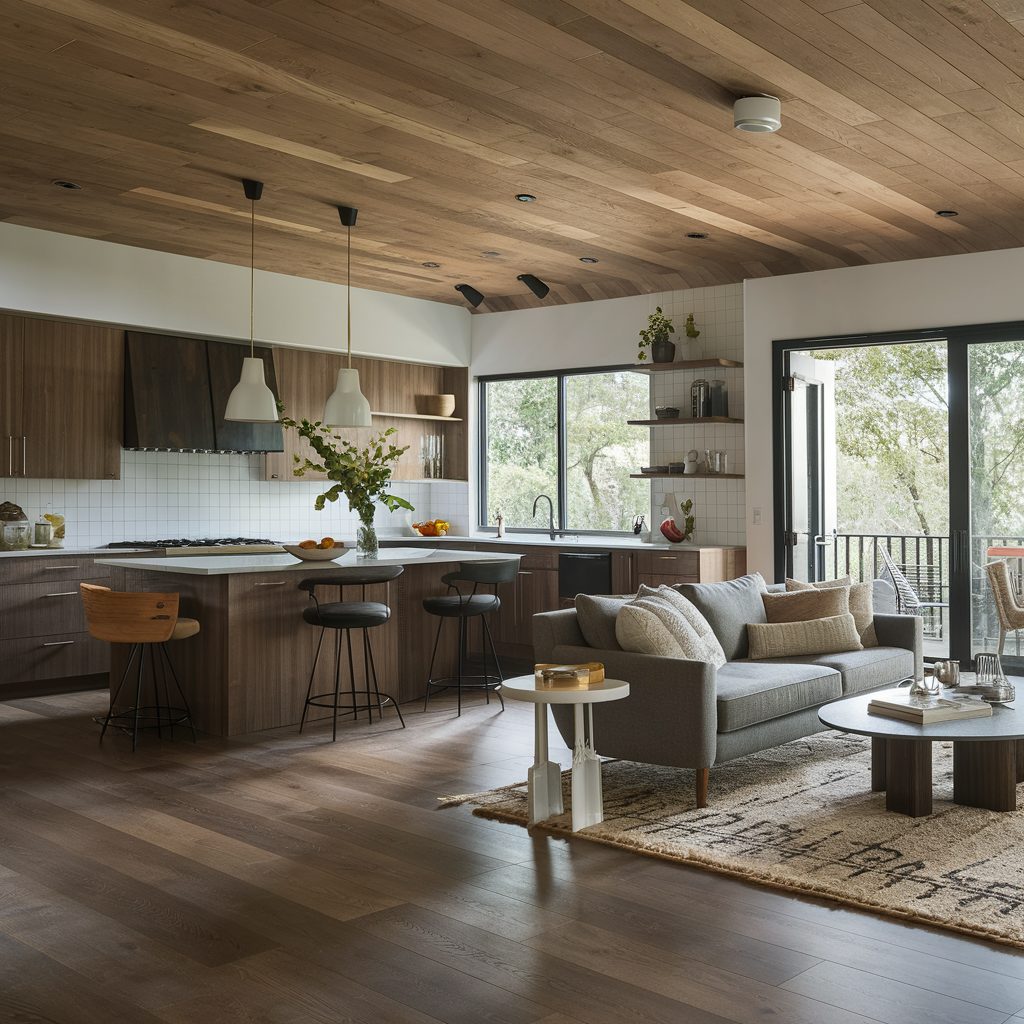
These not only add texture, warmth, and comfort underfoot but also serve a practical purpose by subtly delineating each functional section without disrupting the open feel. This approach combines practicality with aesthetic appeal, resulting in a space that feels both well-structured and welcoming.
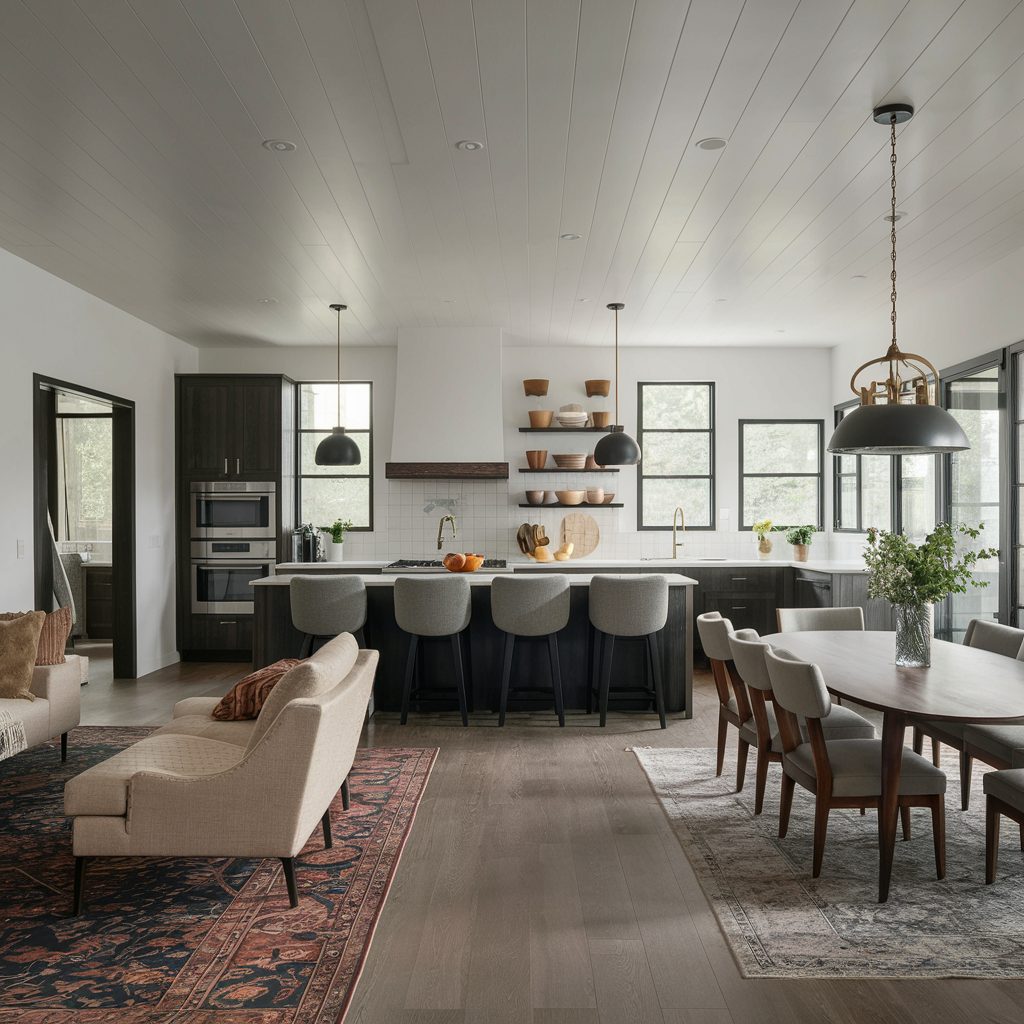
Optimizing Natural Light
Maximizing natural light is one of the most effective ways to enhance a modern open concept kitchen living room, as it greatly improves spatial flow and creates a warm, inviting atmosphere. Integrating large windows, skylights, or glass doors into the design allows sunlight to stream freely across the entire space, making it feel brighter, larger, and more welcoming. These architectural features not only open up the room visually but also establish a stronger connection to the outdoors.
To further amplify the effect, choose light-colored wall paints and reflective surfaces such as glossy backsplashes, quartz countertops, or pale-toned cabinetry, all of which help bounce light around the room. Strategically placed mirrors can also contribute by reflecting both natural and artificial light, intensifying the overall brightness.
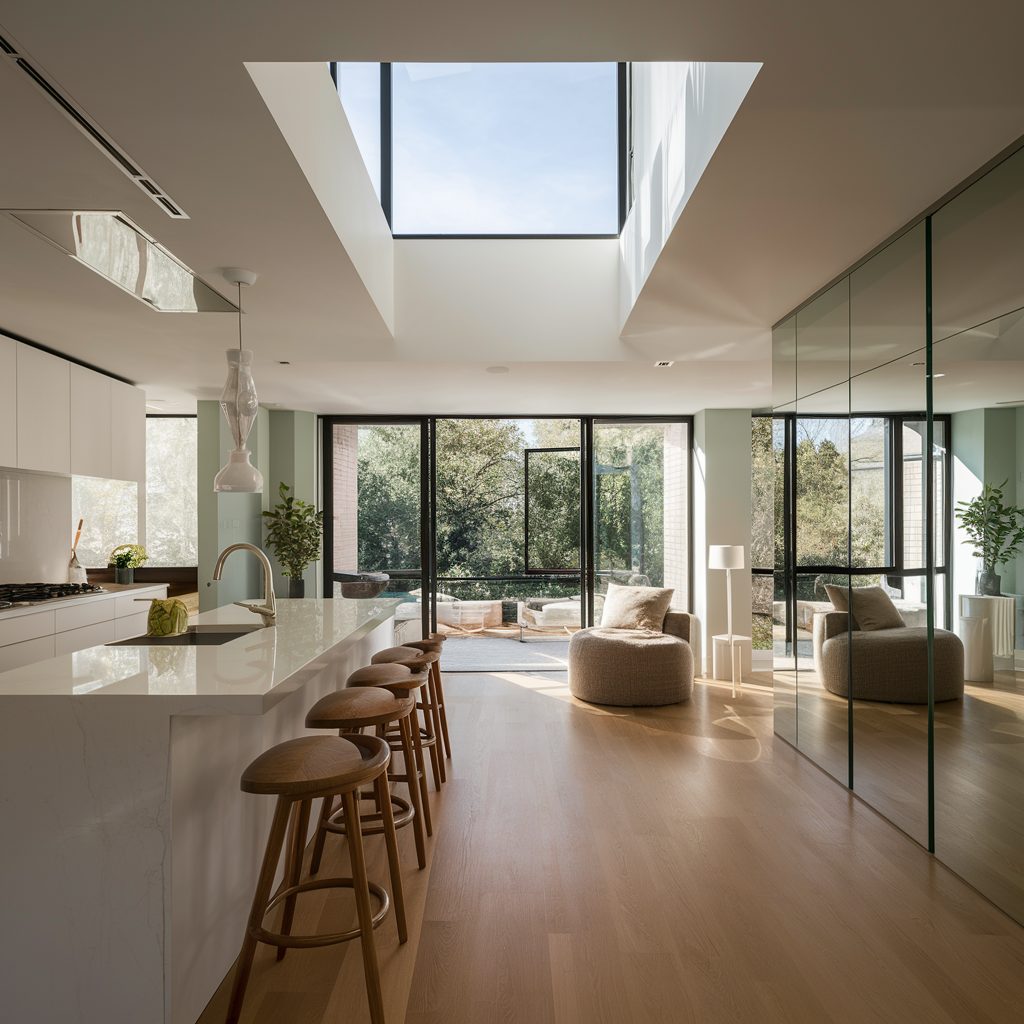
This approach eliminates the need for physical dividers and instead relies on light to define and unify the space, resulting in a well-lit, open, and cheerful living environment.
Selecting the Perfect Color Palette
Achieving visual harmony in an open concept kitchen living room space—especially one that includes a dining area—largely depends on the thoughtful selection of a cohesive color palette. Choosing the right colors helps tie together the different zones while maintaining a unified and fluid aesthetic throughout the space. A good starting point is to use neutral base tones such as soft whites, warm grays, or muted beiges.
These understated shades provide a clean, versatile backdrop that enhances the sense of openness while allowing accent colors or textures to stand out without overwhelming the room. To personalize the space, consider incorporating meaningful decorative pieces like cherished collectibles or artwork that reflect your taste and values.
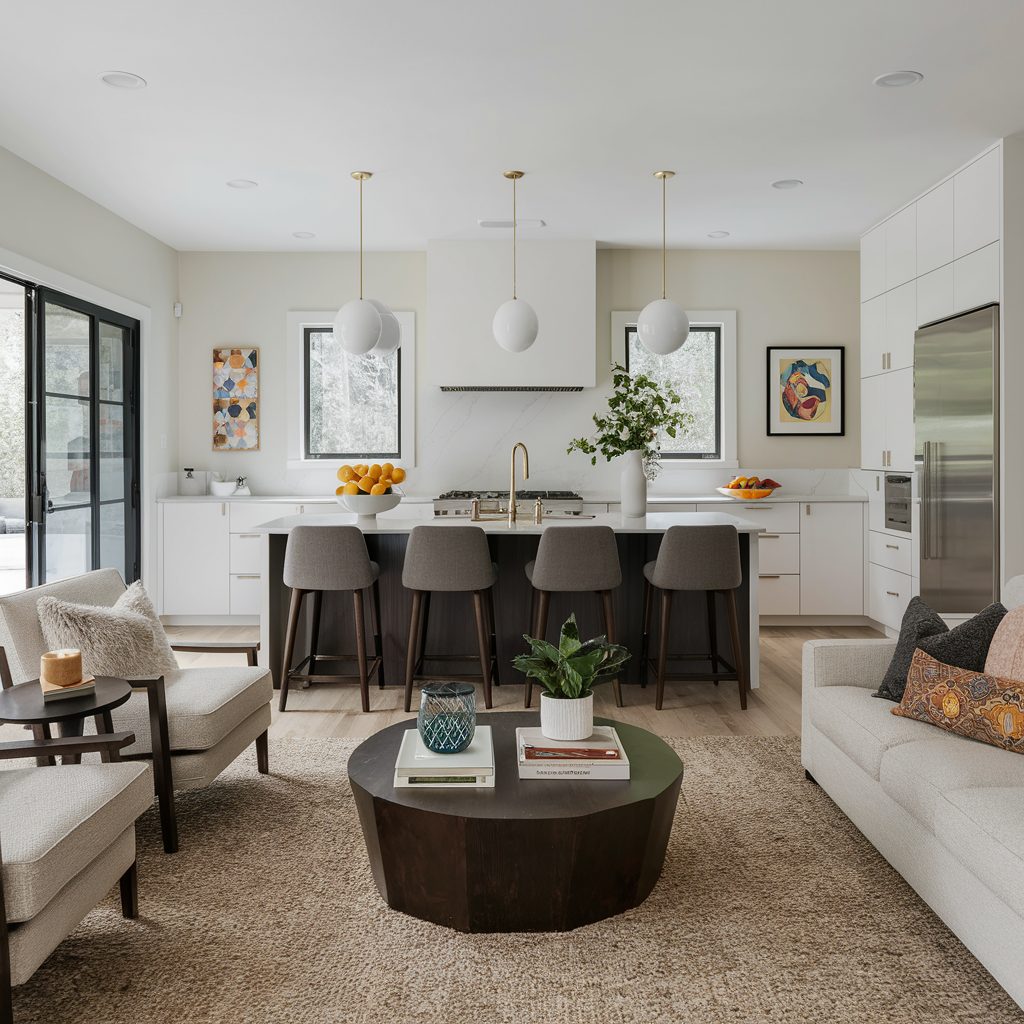
It’s also important to maintain consistency by ensuring that the color tones complement one another from the kitchen through to the dining and living areas. This approach supports the open layout by creating a seamless visual transition and a balanced, inviting atmosphere across the entire space.
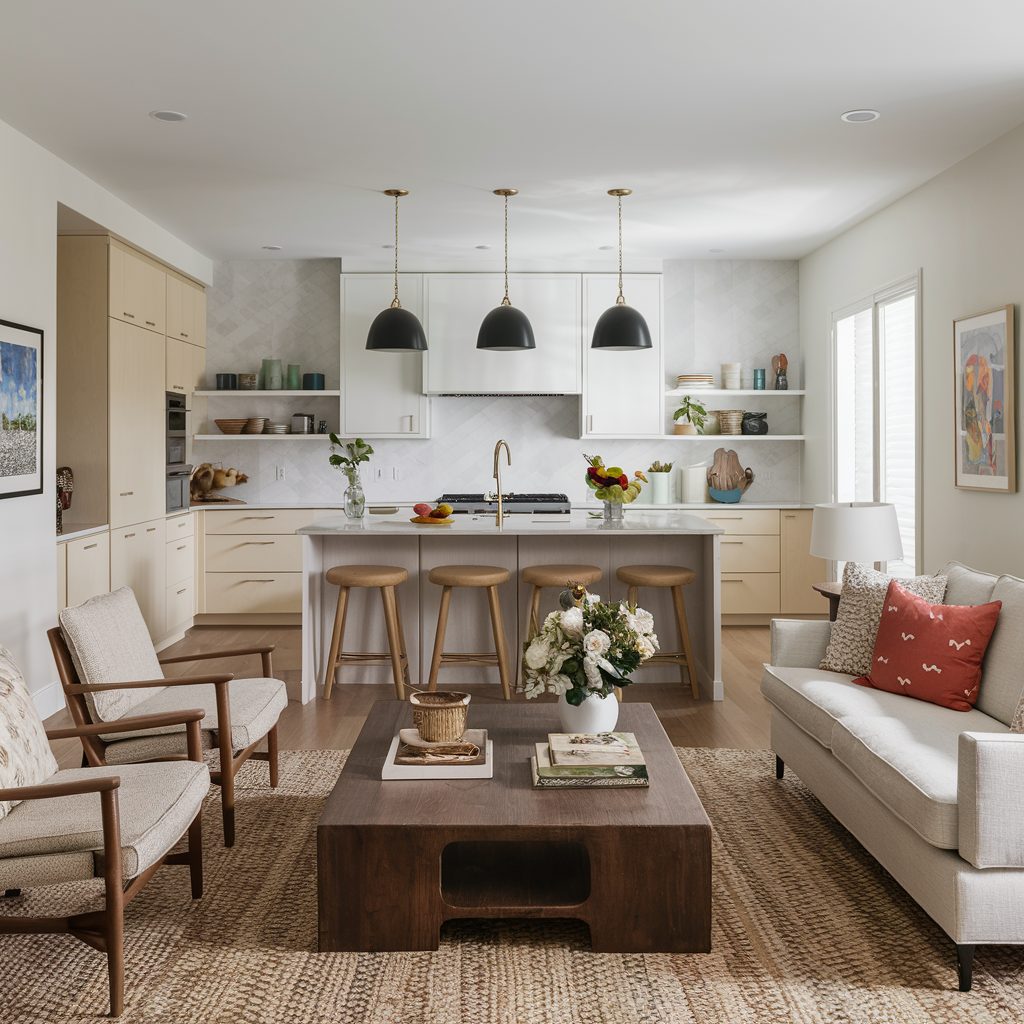
Creating a Cohesive Design
In homes with separate apartments or distinct zones, creating a unified design plan for the kitchen and living room is an excellent approach to achieving visual cohesion. Rather than incorporating a mix of contrasting colors and materials, opt for a streamlined aesthetic by using consistent elements throughout the entire open concept kitchen living room.
For instance, coordinating cabinetry styles and finishes in both areas helps reinforce the idea of a single, continuous space. Visual consistency can also be extended through matching countertops, flooring, and hardware details. Beyond just the structural elements, personality and style can be thoughtfully expressed through decor—selecting artwork, textiles, and accessories that share a similar color palette or material finish further enhances the sense of harmony.
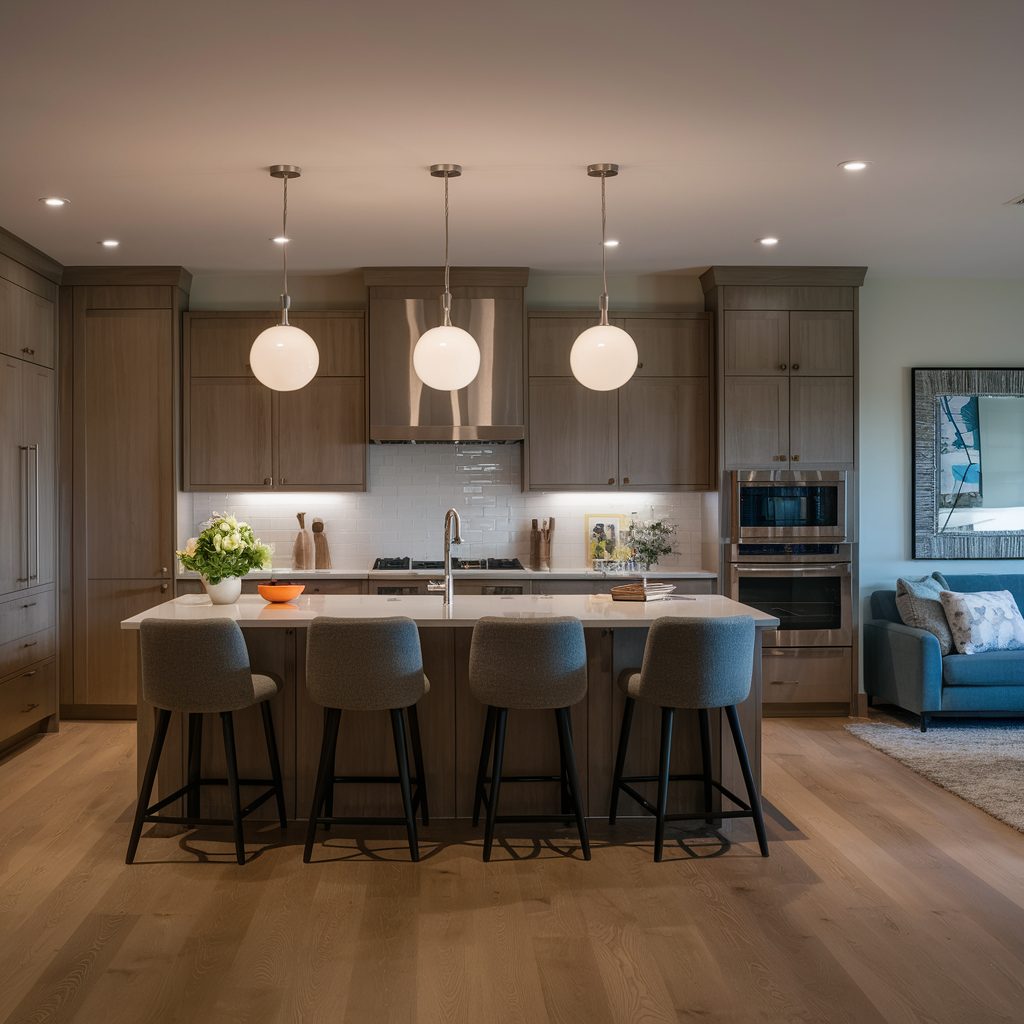
This cohesive design strategy allows the entire space to feel more intentional, balanced, and connected, creating a modern and polished look that complements the open concept layout.
Furniture Placement Strategies
Strategic furniture arrangement is essential for defining zones within an open concept kitchen living room. Since walls are minimal or absent in this layout, furniture placement becomes a powerful tool to organize the space effectively. By positioning key pieces like sofas, dining tables, or sectional couches, you can subtly separate the cooking, dining, and lounging areas without interrupting the visual flow.
Area rugs can further anchor each zone—placing a rug beneath a sectional or under a dining table helps establish clear boundaries while adding warmth and texture. To maintain functionality, it’s important to leave clear pathways or “corridors” that allow for smooth movement between spaces. Keep circulation routes open and intuitive to avoid a cluttered or cramped feeling.
Additionally, incorporating accent chairs or strategically placed shelving units can enhance the visual layout, creating both intimacy and structure within the shared space. With thoughtful planning, furniture can help maintain the openness of the design while ensuring that each area serves its purpose comfortably and efficiently.
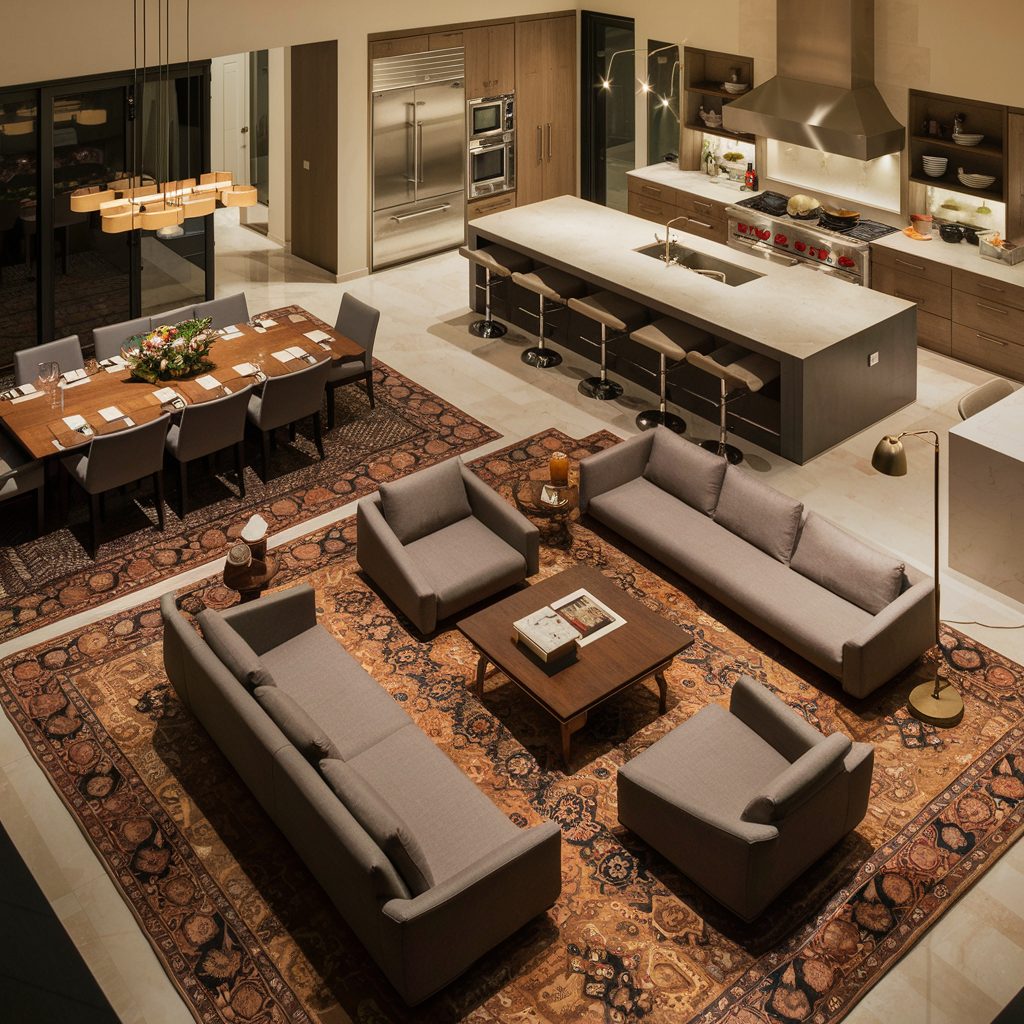
Incorporating Smart Storage Solutions
In an open concept kitchen living room, smart storage solutions are key to maintaining a clean, organized, and clutter-free environment. Since this layout typically lacks walls or closed-off areas, it’s essential to incorporate storage that blends seamlessly into the overall design. One effective strategy is to use multi-functional furniture arranged with a thoughtful layout that maximizes space without sacrificing style.
Built-in cabinets are a great option—they can be integrated into walls, islands, or under seating to provide concealed storage for everyday items. These hidden compartments help keep surfaces tidy and maintain the visual openness that defines the space. Whether you need to stash away kitchen essentials, electronics, or living room accessories, well-designed storage ensures everything has its place without disrupting the flow.
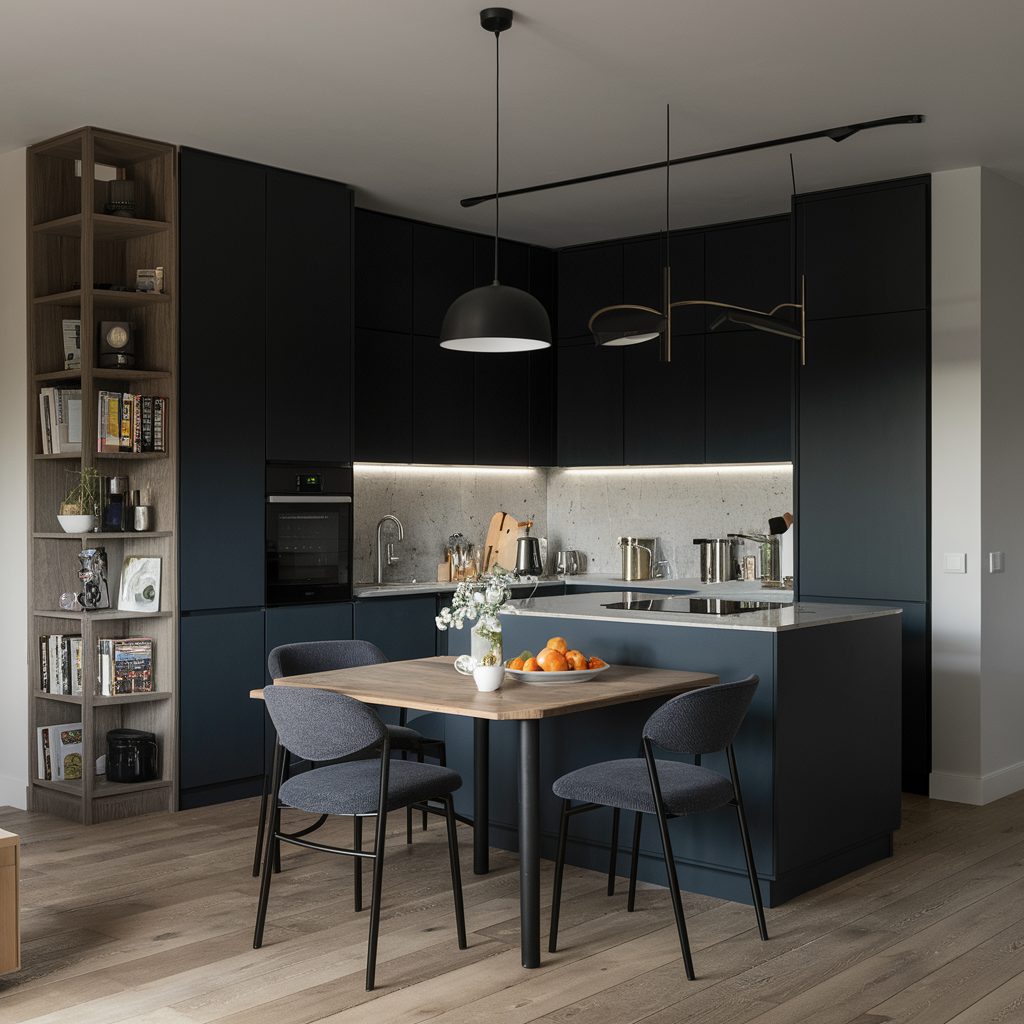
With the right combination of built-ins, storage furniture, and strategic placement, homeowners can enjoy both functionality and a polished aesthetic in their open concept layout.
Designing a Functional Kitchen Island
The kitchen island often becomes one of the most defining features in any open concept kitchen living room remodel. Beyond its aesthetic appeal, a well-designed island serves as a multifunctional hub—bridging the kitchen and living areas while offering essential workspace and storage. Opting for a generously sized island can enhance its usability, providing ample surface area for food preparation, casual dining, or social interaction.
To further increase its functionality, consider integrating built-in features such as a sink, cooktop, or even a wine cooler, depending on your lifestyle and space requirements. These additions elevate convenience and help the island serve as a central gathering point within the open layout.
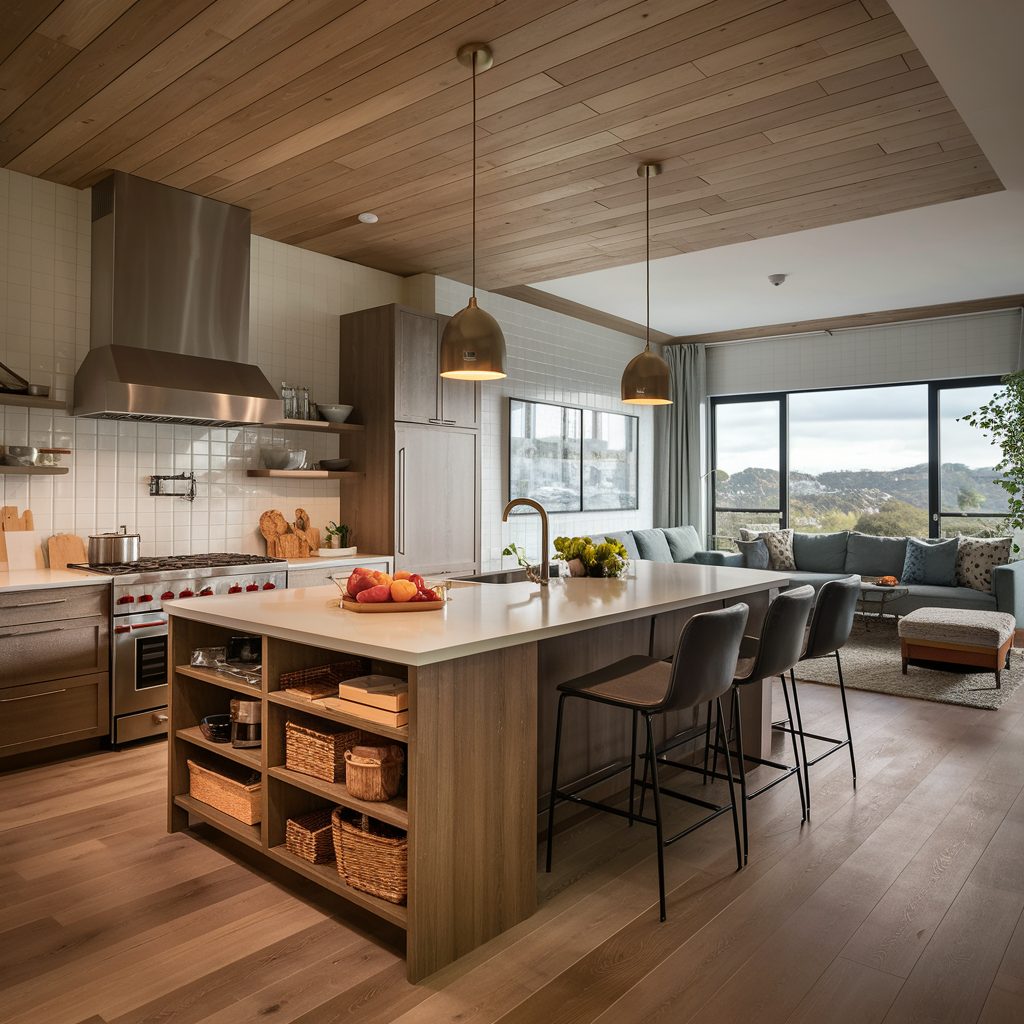
Selecting high-quality, visually appealing materials—such as quartz, granite, or a custom wood finish—will not only ensure durability but also help the island visually connect and harmonize with both the kitchen and living room aesthetics. When thoughtfully planned, the kitchen island becomes a seamless and striking focal point in your open concept design.
Incorporating a Breakfast Bar
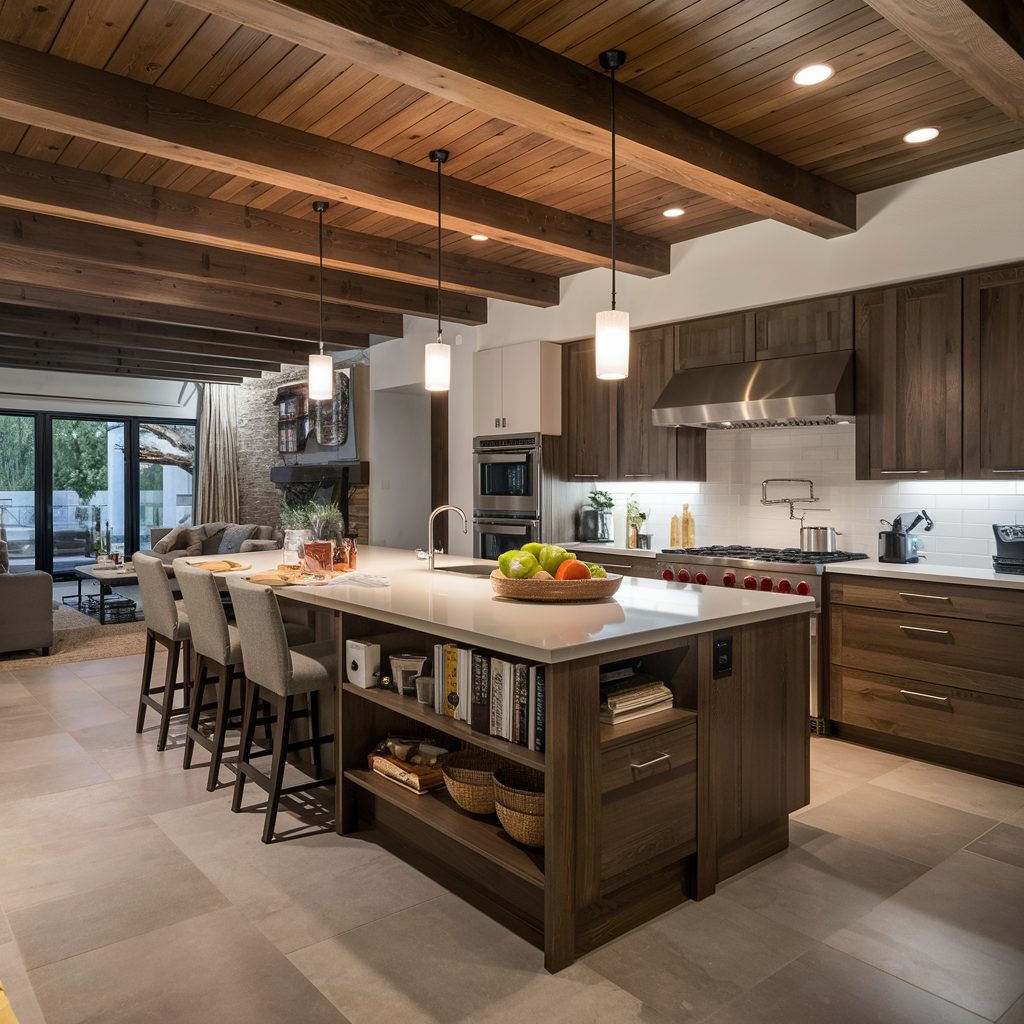
In an open concept kitchen living room layout, a breakfast bar can serve as a highly functional and stylish centerpiece. This versatile feature offers a casual dining space that’s perfect for quick meals, morning coffee, or socializing with guests while cooking. Beyond its practical benefits, a well-designed breakfast bar can also act as a subtle divider between the kitchen and living zones, helping define each area without the need for walls.
Consider customizing it with a cantilevered or extended countertop to create a modern, floating appearance. Pair the setup with comfortable bar stools that match the overall décor, adding both functionality and flair. To enhance the ambiance, install pendant lighting above the bar to create a cozy, café-like atmosphere.
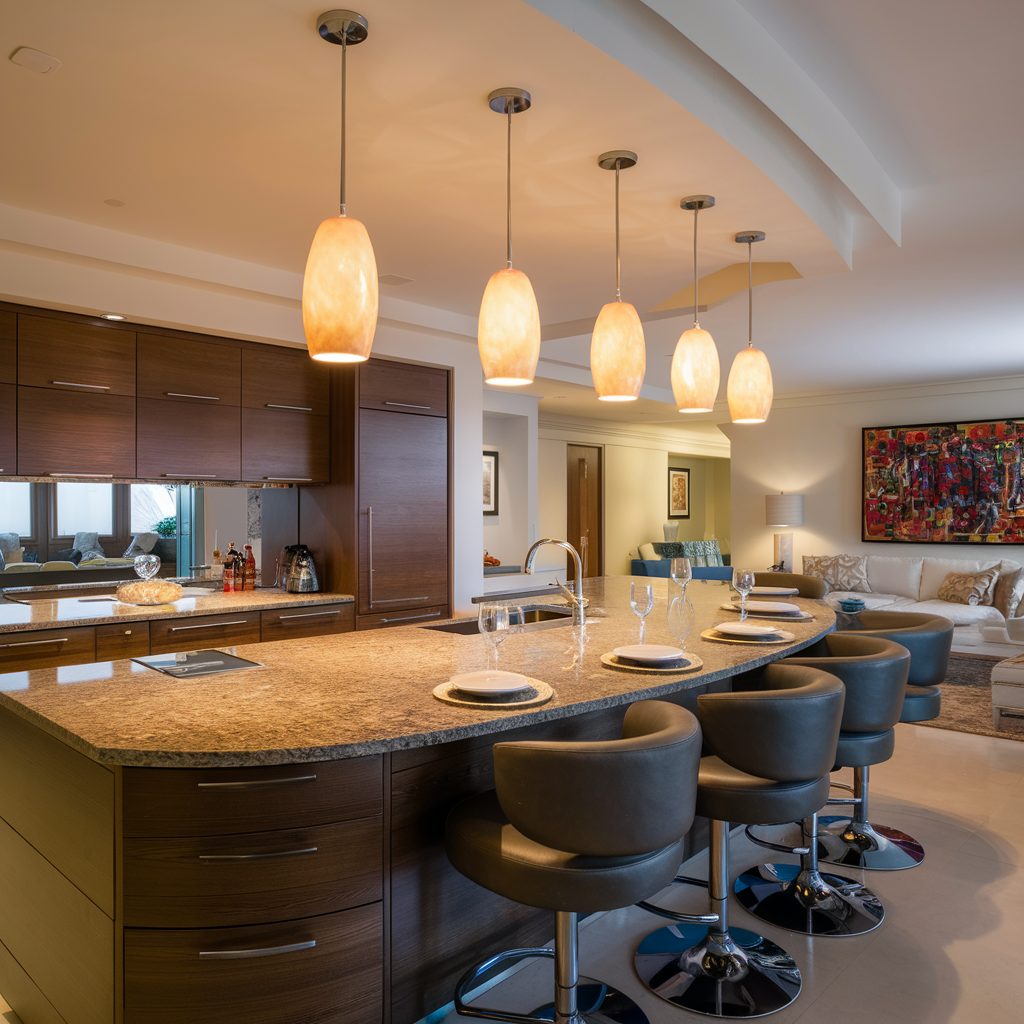
This combination not only increases the usability of the space but also elevates its visual appeal, making the breakfast bar a smart and stylish addition to any open plan living environment.
Coordinating Kitchen and Living Room Lighting
Proper lighting coordination is essential in an open concept kitchen living room design to ensure the entire space feels cohesive, functional, and inviting. A layered lighting approach is highly recommended, combining ambient, task, and accent lighting to address the different needs of each zone.
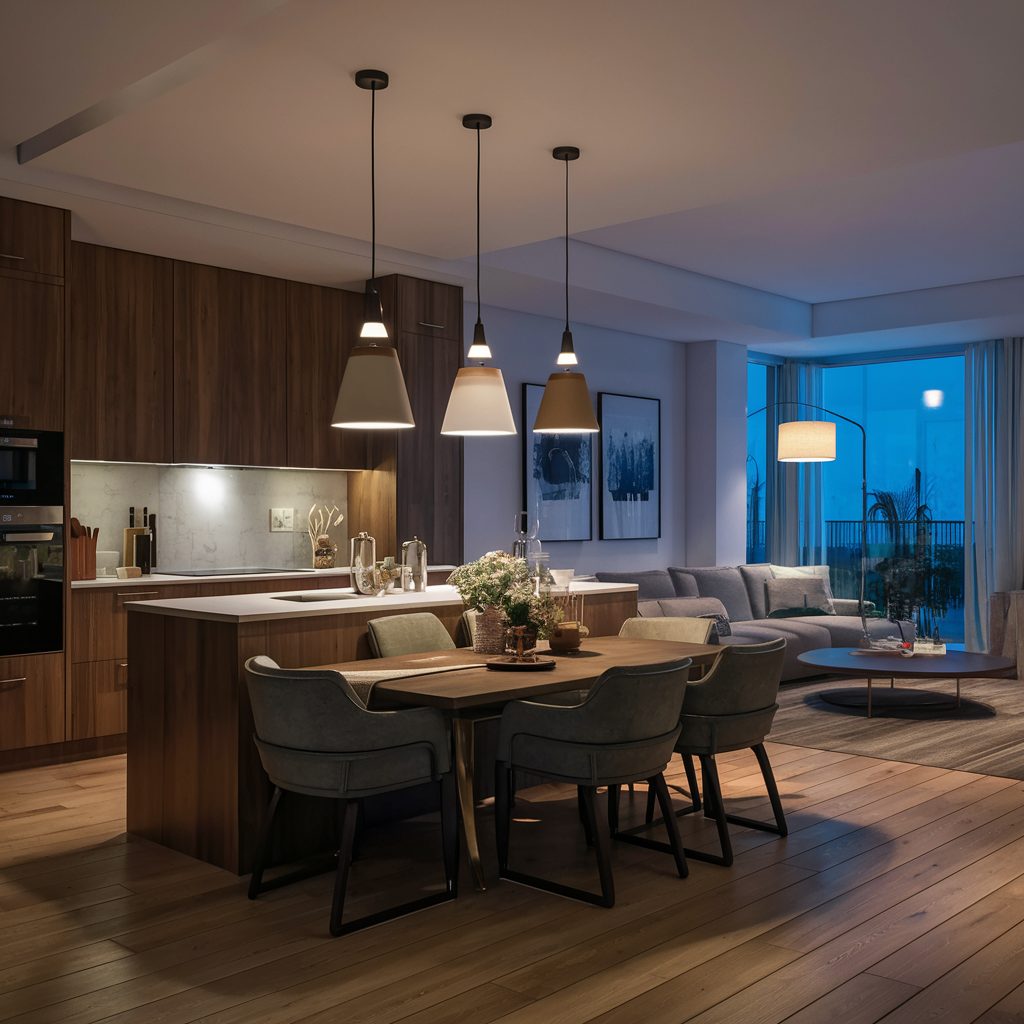
Ambient lighting provides general illumination across the space, while task lighting—such as under-cabinet lights in the kitchen or reading lamps near seating—focuses on functionality. Accent lighting, like pendant fixtures or LED strips, adds style and emphasizes specific design elements. To maintain a unified aesthetic, choose lighting fixtures that share similar styles, finishes, or design motifs across both kitchen and living areas.
For added depth and mood, incorporate floor lamps, wall sconces, or dimmable features that allow you to adjust the atmosphere depending on the occasion. With thoughtful lighting placement and visual consistency, the open layout becomes not only brighter and more practical but also stylishly balanced throughout.
Adding Texture with Wall Treatments
In a modern open concept kitchen living room, incorporating wall textures is a powerful way to enhance depth, visual interest, and spatial definition without disrupting the open flow. By introducing elements such as textured paint, decorative wallpapers, or wall panels, you can subtly differentiate areas within the shared space—like creating a focal wall in the living area or adding interest to the kitchen backsplash zone.
Materials such as shiplap, exposed brick, or natural stone add not only tactile richness but also bring warmth and character to the environment. These textures serve as both functional dividers and design statements, reinforcing the personality of each zone while maintaining a unified aesthetic.
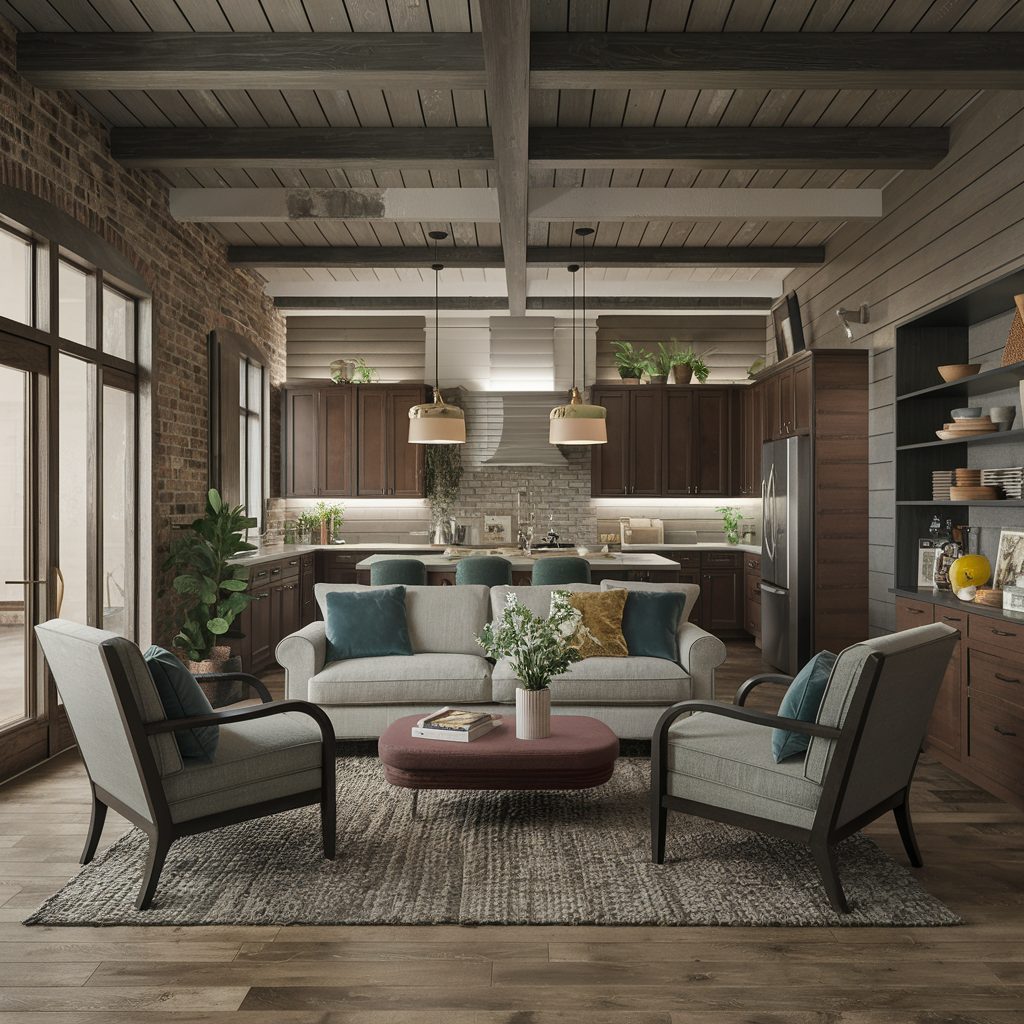
To ensure consistency, it’s important to select textures and finishes that complement your overall color palette and design theme. When thoughtfully integrated, textured wall treatments can help define zones, elevate style, and create a cohesive, harmonious atmosphere throughout the open concept layout.
Choosing the Right Window Treatments
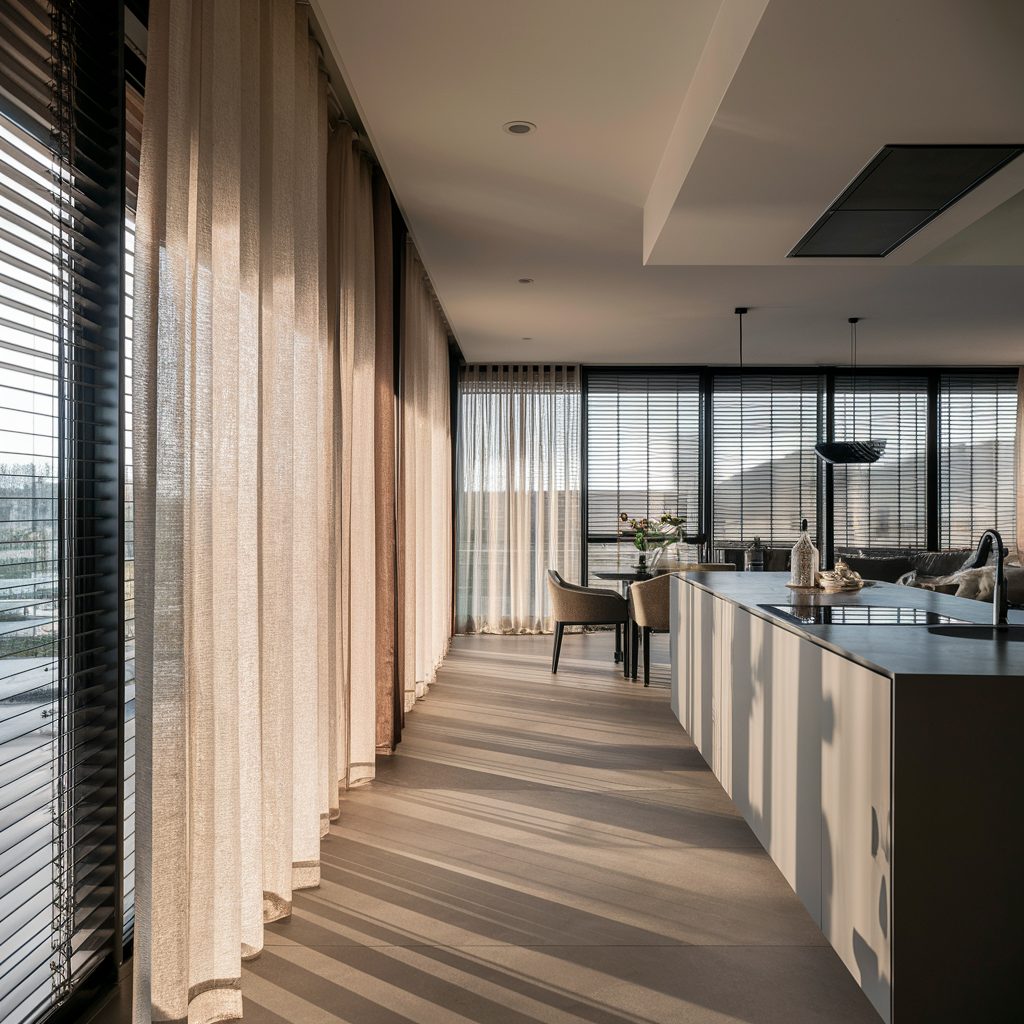
Selecting the right window treatments is a crucial design decision, especially in a compact open concept kitchen living room. In smaller spaces, maximizing natural light while maintaining privacy can be a delicate balance. Sheer or transparent curtains offer an excellent solution, allowing light to filter in gently without overwhelming the room, while still providing a layer of privacy.
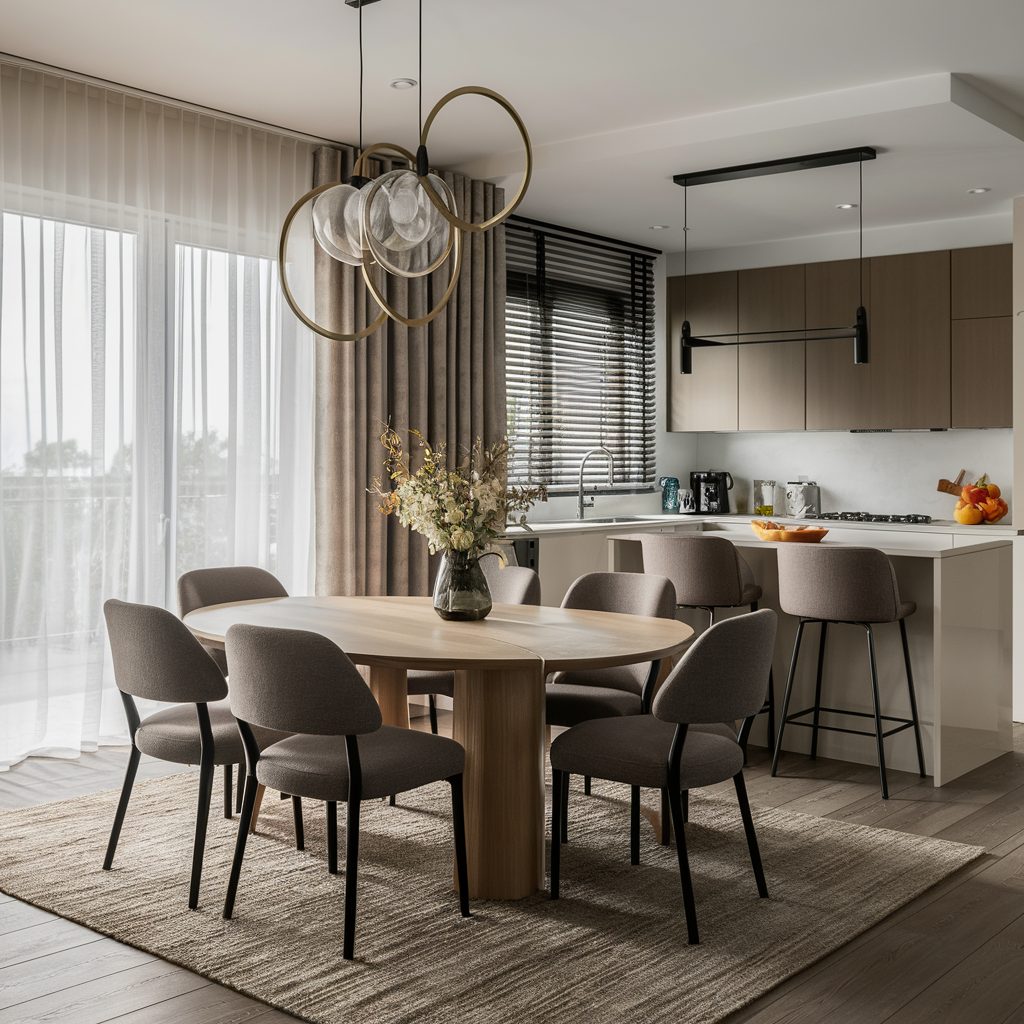
For a cohesive and polished look, opt for neutral-colored drapes that align with the overall color scheme of your kitchen and living areas. This helps unify the design while keeping the space feeling open and light. For a modern and convenient option, consider installing motorized blinds or shades. These allow for easy light control at the touch of a button, adding a sleek, high-tech touch to your interior.
Whether you prefer traditional fabric panels or contemporary automated systems, choosing well-coordinated window treatments enhances both the function and aesthetic of your open plan layout.
Choosing the Right Furniture
Furniture selection plays a vital role in shaping the functionality and overall aesthetic of an open concept kitchen living room. Choosing the right pieces not only enhances the design but also contributes to the efficiency and usability of the shared space. In this layout, it’s important to select furniture that complements the open flow while supporting the specific needs of each area.
Modular and multifunctional furniture is especially useful—items such as extendable dining tables, kitchen islands with built-in storage, or seating that doubles as storage can greatly increase practicality without adding visual bulk.
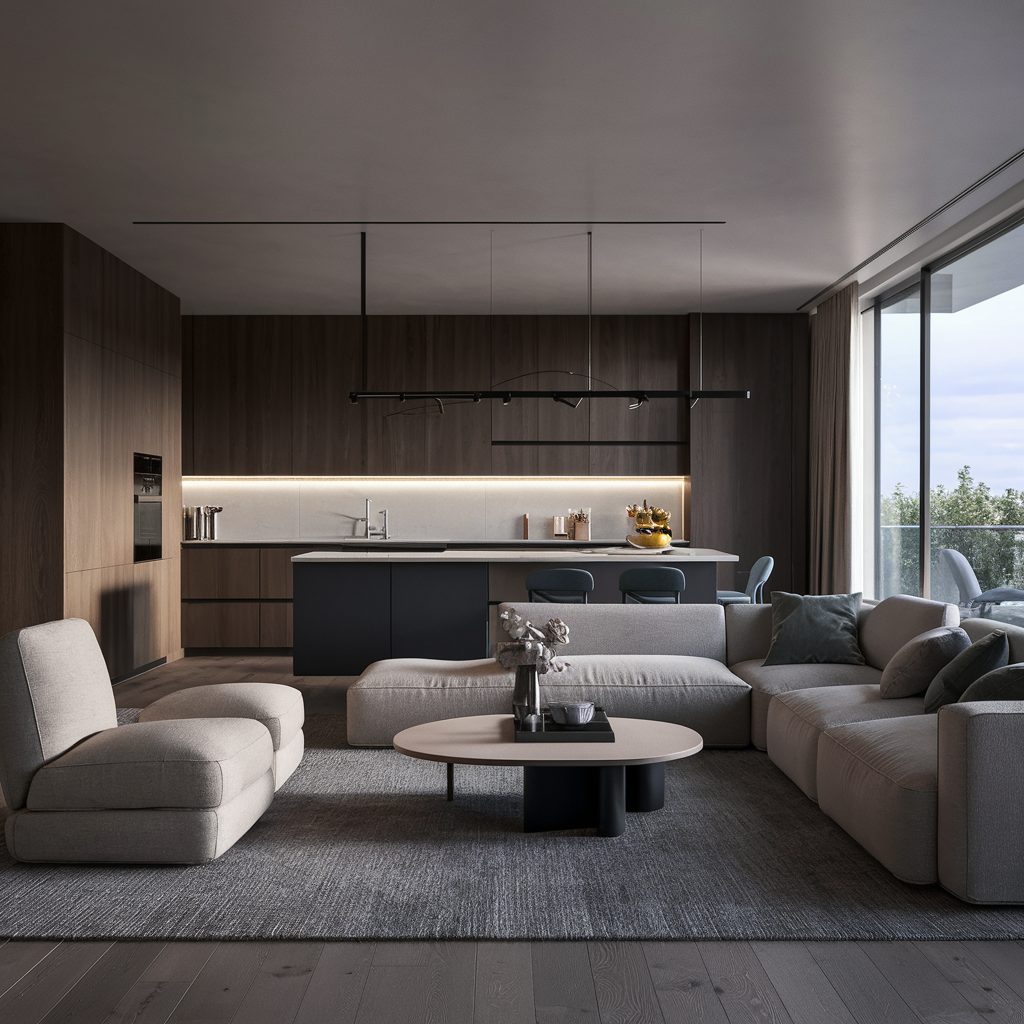
These pieces allow you to adapt the space as needed, offering flexibility for everything from daily routines to entertaining guests. Additionally, incorporating furniture that reflects current design trends—such as minimalist silhouettes, warm wood finishes, or industrial accents—can bring a contemporary and cohesive touch to the overall layout. With the right mix of style and functionality, your furniture becomes an integral part of a well-designed open living space.
Integrating Appliances Seamlessly
In an open concept kitchen living room remodel, the proper placement and integration of appliances is essential for achieving a cohesive and functional design. Ensuring that appliances are positioned logically and efficiently within the space supports both the visual flow and the daily usability of the kitchen.
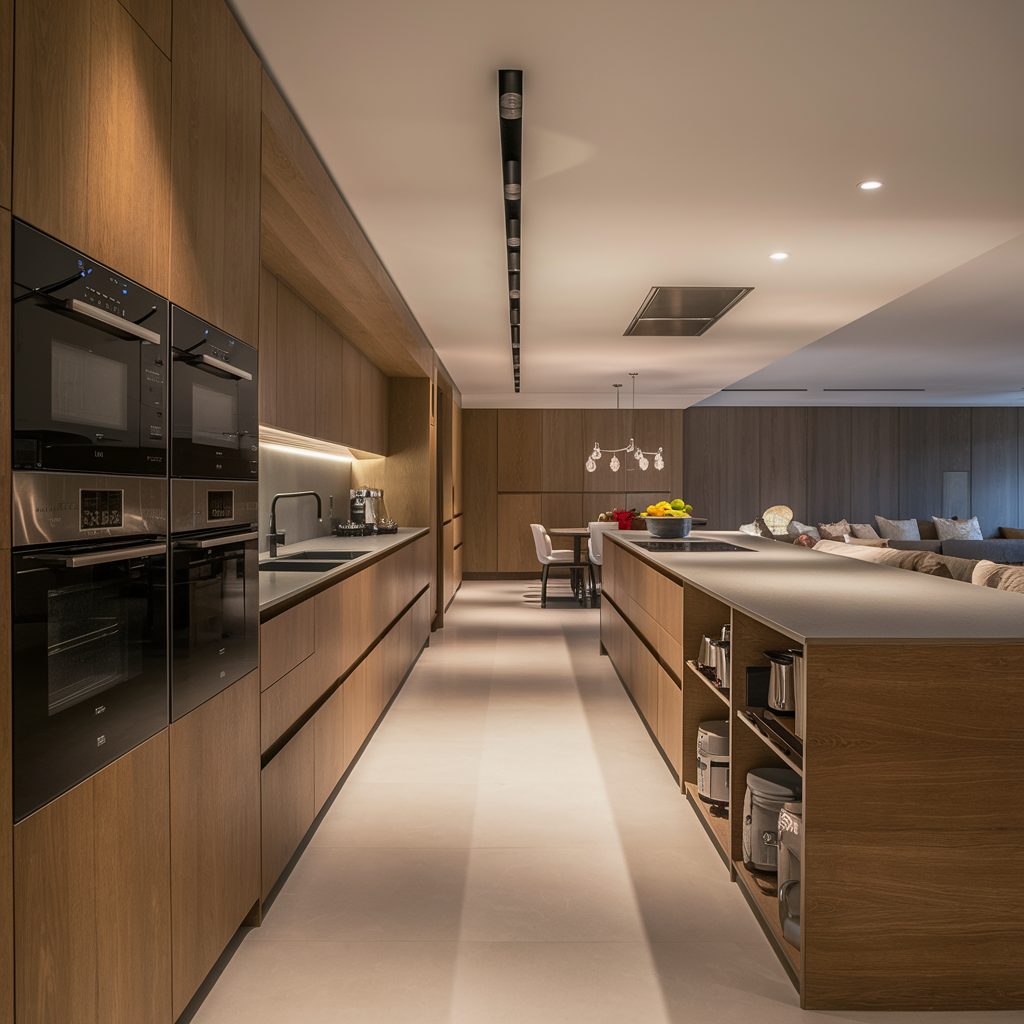
One common issue in open layouts is the mismatch between traditional cabinetry and modern appliances, which can create a visual disconnect. To avoid this, it’s best to opt for built-in or concealed appliances that blend seamlessly into the surrounding cabinetry. These options help maintain clean lines and a streamlined appearance, allowing the kitchen area to harmonize with the adjoining living space.
By choosing integrated appliances with finishes that match or complement your cabinet materials, you can eliminate jarring contrasts and preserve the open, modern feel of the layout. Ultimately, well-integrated appliances contribute to a more polished and unified environment that enhances both form and function in your open plan design.
Utilizing Multi-Functional Furniture
In an open concept kitchen living room, incorporating multifunctional furniture is a smart strategy for optimizing space without compromising on style or comfort. These versatile pieces play a key role in enhancing utility, especially in compact layouts where every inch counts. Look for furniture designed with dual purposes in mind—such as sofas with hidden storage compartments, extendable dining tables that adapt to guest needs, or stools that can double as coffee tables or side seating.
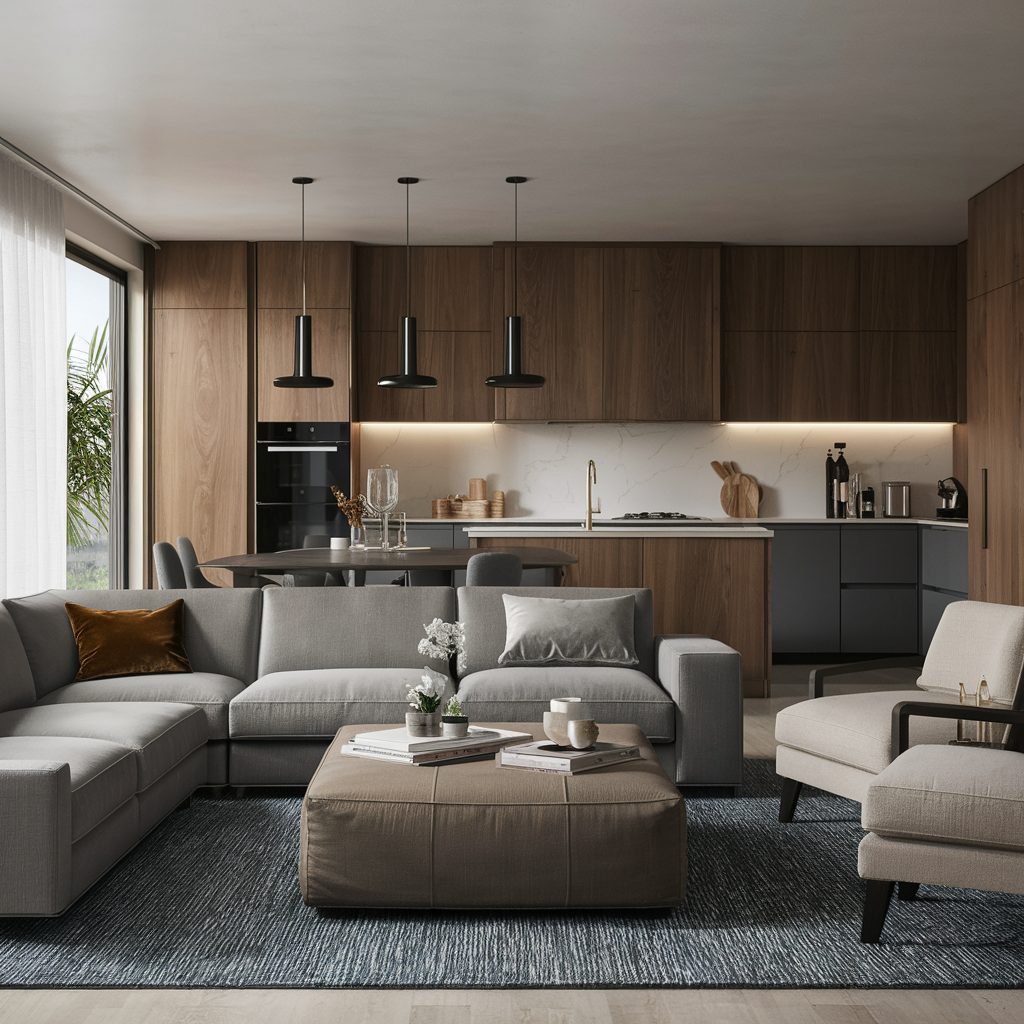
These functional additions allow you to keep the area clutter-free while still offering convenience and flexibility. Beyond saving space, multifunctional furniture also contributes to a sleek and streamlined look, supporting the open flow of the design.
By selecting items that serve multiple roles, you not only make the most of your layout but also ensure that your space remains adaptable, efficient, and visually cohesive.
Creating Visual Separation with Furniture
In an open concept kitchen living room, maintaining visual openness while defining distinct zones is key to creating a functional and aesthetically pleasing space. One effective way to achieve this is through the strategic use of furniture as subtle dividers. For instance, positioning a sofa with its back facing the kitchen can naturally signal the start of the living area. Pairing it with accent chairs or open shelving units further emphasizes the separation without blocking airflow or visibility.
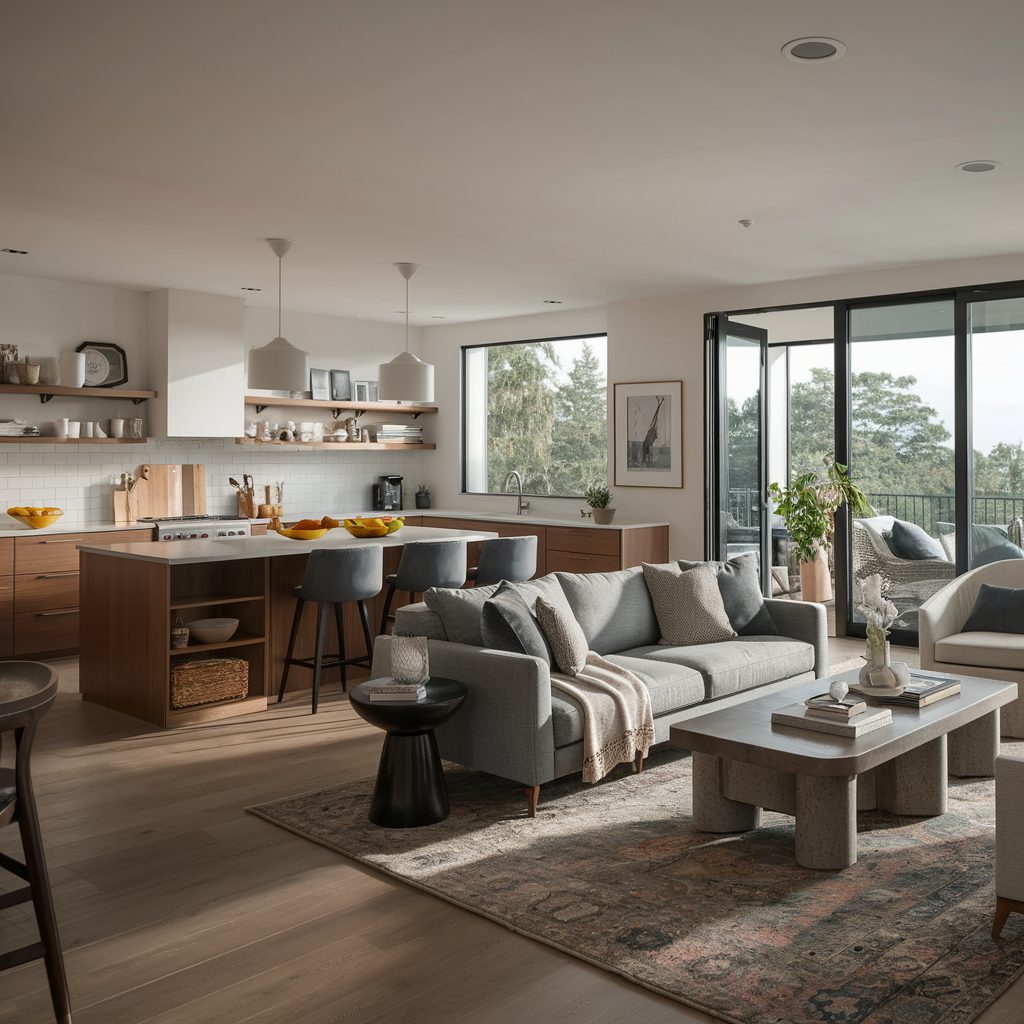
Area rugs also contribute significantly by anchoring furniture groupings and visually grounding each zone, such as the dining or lounge area. This method of visual separation helps maintain a sense of spaciousness and continuity, allowing each section of the open layout to serve its purpose while still feeling part of a unified whole. It eliminates the need for solid walls or partitions, preserving the airiness and flow that define the open concept design.
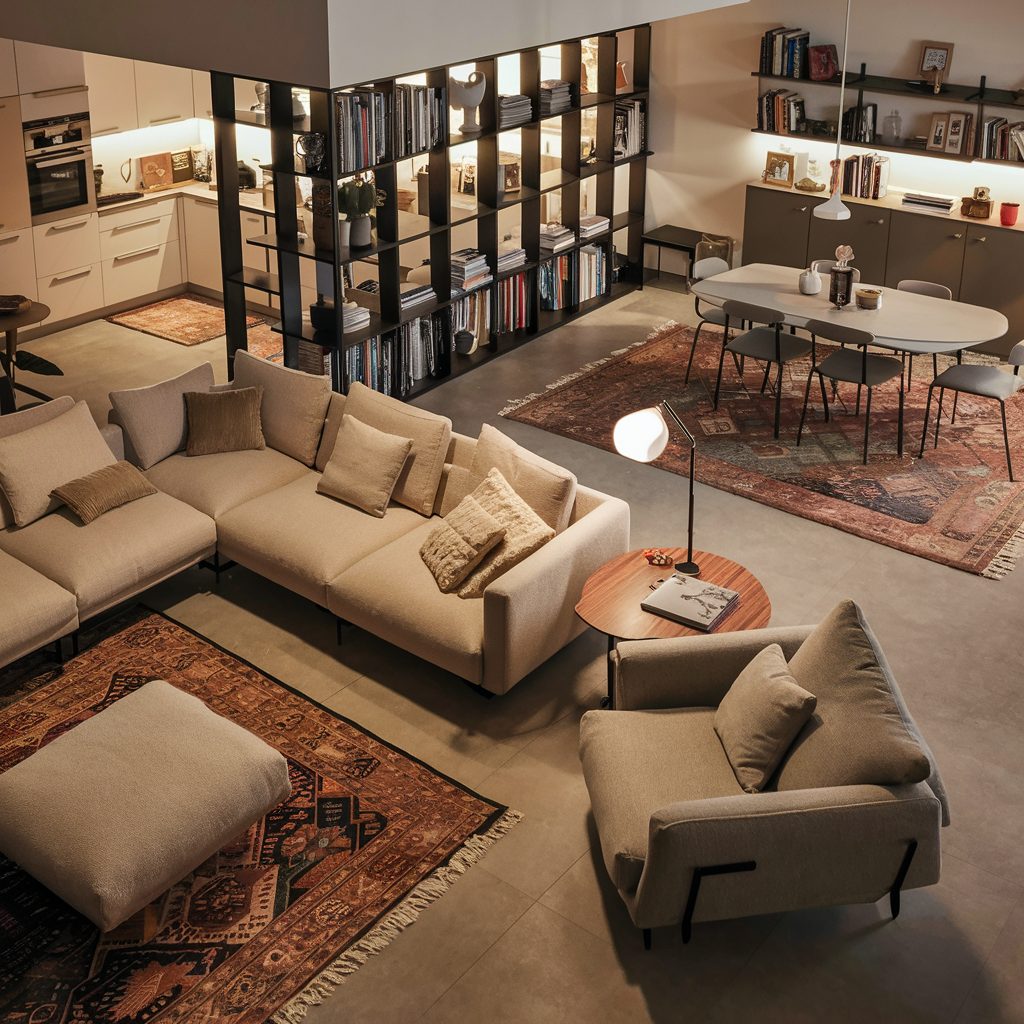
Incorporating Built-In Features
Incorporating built-in features during an open concept kitchen living room remodel offers two major benefits: enhanced functionality and elevated aesthetics. With fewer interior walls typical of open layouts, built-in elements such as shelving, cabinets, or integrated seating become essential tools for maximizing space while keeping the design sleek and uncluttered.
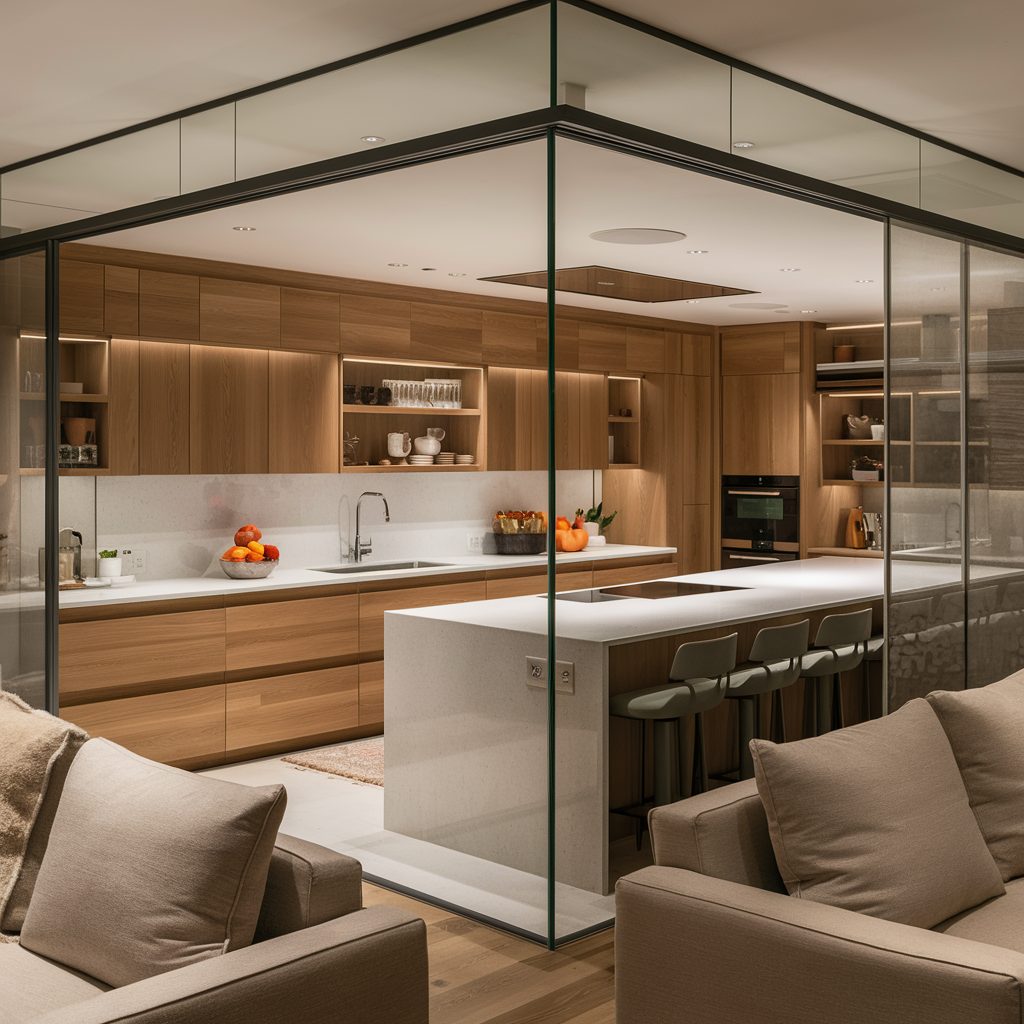
These features can be seamlessly incorporated into architectural structures like alcoves or beneath windows, allowing for additional storage or seating without encroaching on the open feel. Built-ins help unify the space by blending into the existing framework, reducing visual clutter and promoting a clean, streamlined look.
They also encourage a stronger connection between indoor and outdoor areas, especially when placed near large windows or patio access points. By carefully selecting and positioning these built-in components to complement other materials and finishes in the space, you create a well-coordinated and cohesive environment that supports both daily living and overall design continuity.
Choosing the Right Countertops
Selecting the right countertops is a crucial aspect of designing an open concept kitchen living room, as they play a central role in both the functionality and visual appeal of the space. Since countertops often serve as focal points within the kitchen area, they should be chosen with careful attention to durability, maintenance, and design. Materials such as quartz, granite, and marble are excellent choices—not only for their long-lasting nature but also for their resistance to stains, heat, and everyday wear.
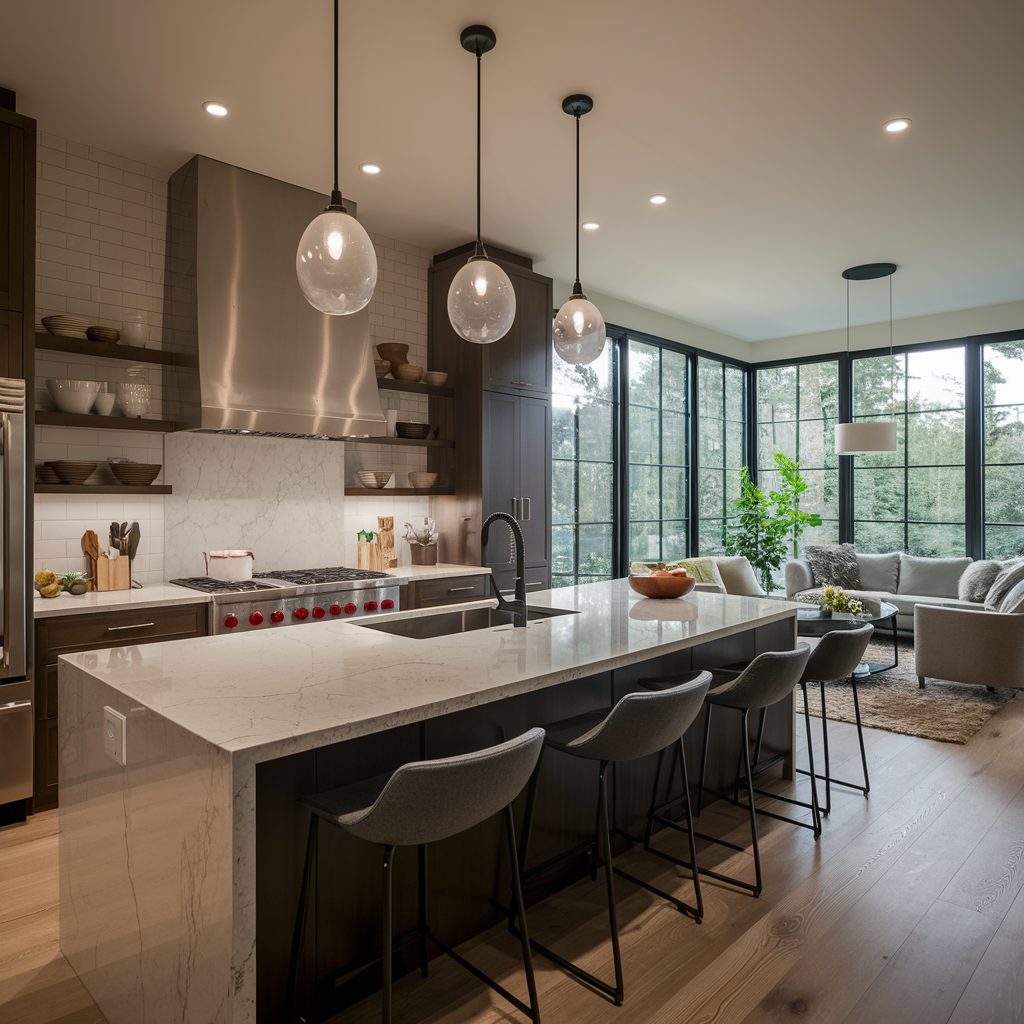
These surfaces require minimal upkeep, making them practical for busy households. In terms of aesthetics, it’s important to coordinate the countertop color and finish with the surrounding décor to ensure a cohesive look throughout the open space.
A thoughtfully chosen countertop can act as both a striking design feature and a highly functional workspace, enhancing the overall style and usability of the kitchen while maintaining harmony with the connected living area.
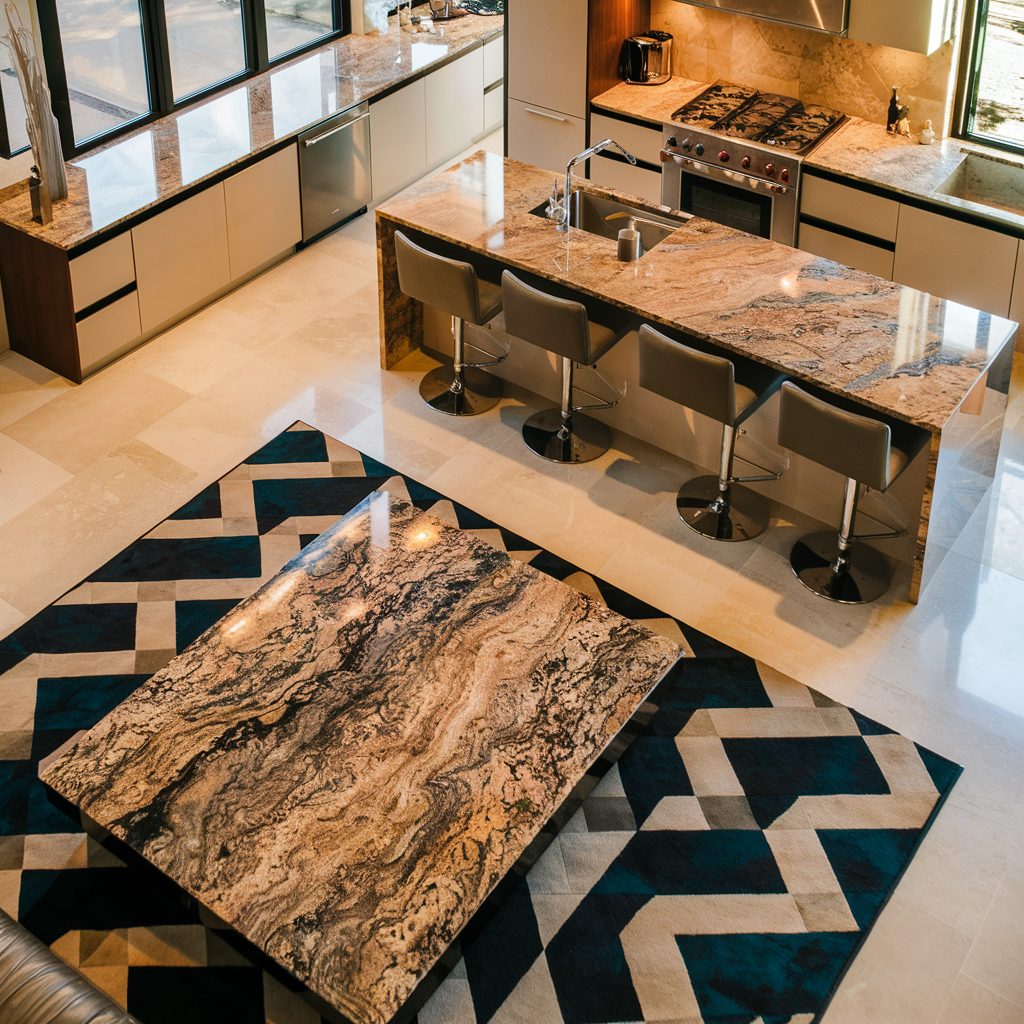
Designing an Efficient Work Triangle
Establishing an efficient work triangle is one of the foundational principles in designing a highly functional open concept kitchen living room. This triangular layout—linking the sink, stove, and refrigerator—ensures smooth workflow and easy movement during meal prep and clean-up. In an open space where visual flow and usability must coexist, the placement of these three key elements is especially important.
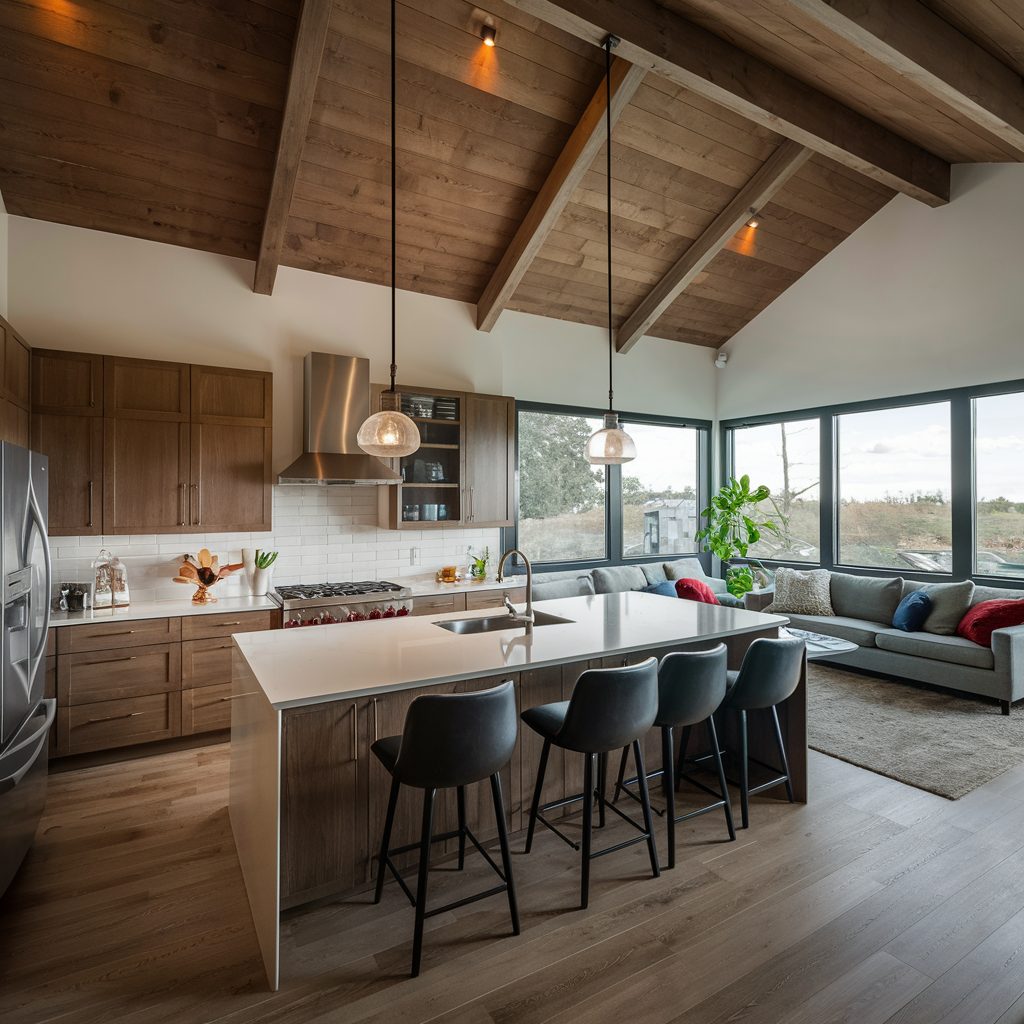
The goal is to maintain optimal distances between them—not too close to cause congestion and not too far to waste time and energy. A well-proportioned work triangle supports daily tasks with minimal interruption while allowing the kitchen to blend harmoniously into the adjoining living area. Properly planning this configuration enhances not only the kitchen’s efficiency but also reinforces the open layout’s sense of balance, comfort, and practicality.
Incorporating Technology and Smart Home Features
Modern open concept kitchen living room designs are increasingly embracing appliance technology, smart home automation, and eco-friendly living solutions. These innovations are not just trends—they’re purposeful advancements aimed at making everyday life more convenient, efficient, and sustainable.
Smart lighting systems, for example, can be controlled from a mobile device or voice assistant, allowing you to adjust brightness or ambiance without leaving the comfort of your sofa. Similarly, energy-efficient appliances and programmable thermostats contribute to a greener home while reducing utility costs.
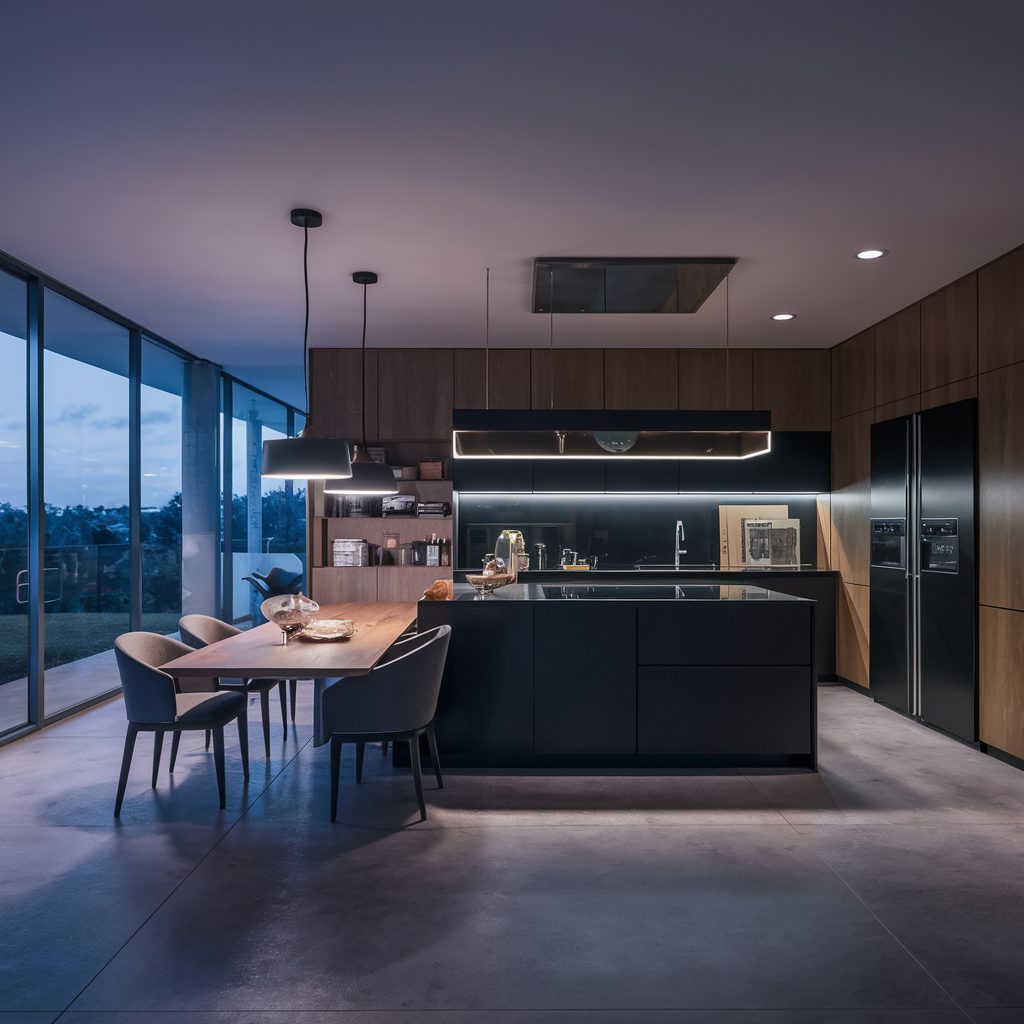
By integrating these smart systems seamlessly into the open layout, homeowners can enjoy enhanced functionality without compromising style. The result is a living space that’s not only connected and comfortable but also designed for modern living at its smartest.
Using Big Mirrors to Enhance Space
In an open concept kitchen living room, the strategic use of large mirrors can dramatically enhance the sense of space and light. Mirrors have the unique ability to create the illusion of a larger room by reflecting both natural and artificial light across the area, making the entire space feel brighter, airier, and more expansive.
When thoughtfully positioned—such as opposite windows or light sources—mirrors can amplify the openness that defines this layout. To maintain visual harmony, opt for mirror designs that align with your overall interior aesthetic, whether it’s sleek and modern, rustic, or classic.
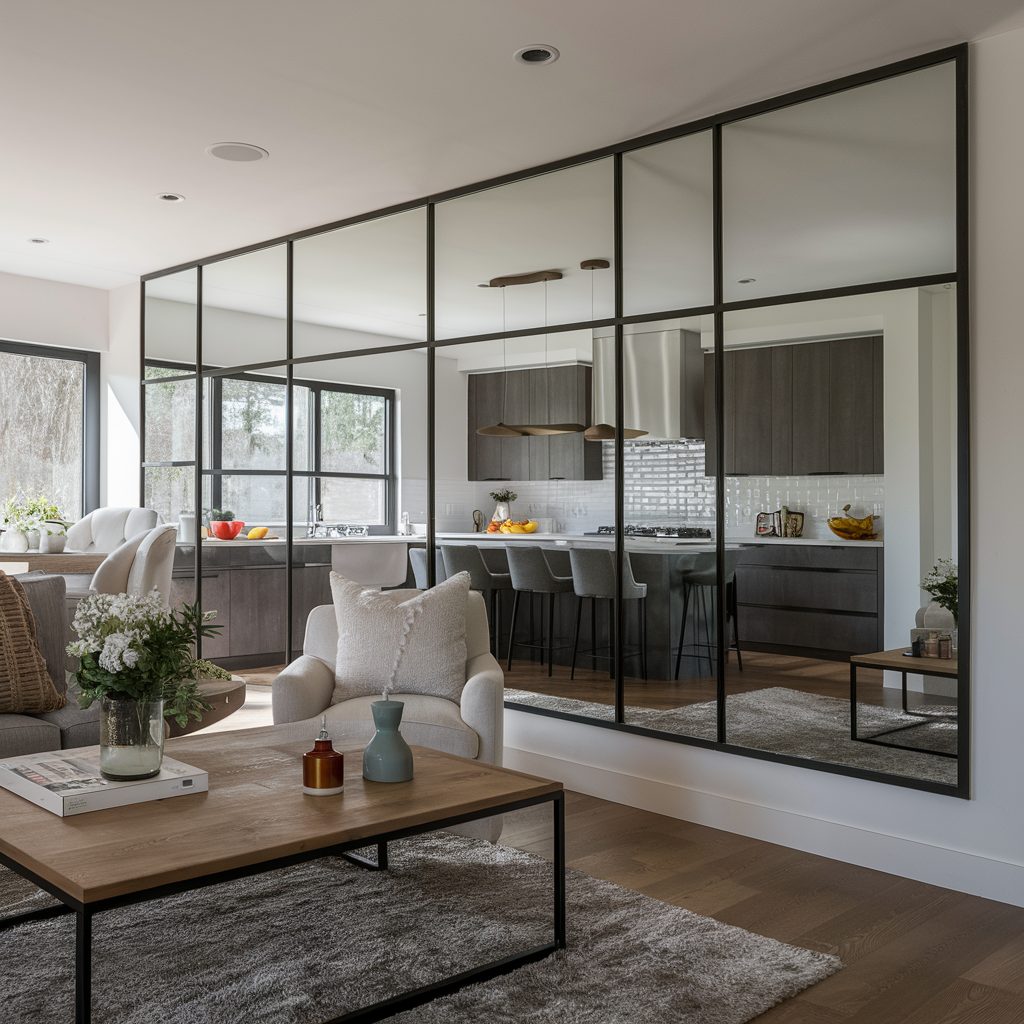
Decorative frames or custom shapes can also double as artistic elements, contributing to both style and spatial perception. Incorporating mirrors in this way not only elevates the design but also maximizes the architectural advantages of an open plan environment.
Maintaining Flow Between Spaces
In an open concept kitchen living room, the materials you choose play a critical role in maintaining visual flow and creating a harmonious connection between the different zones. Flooring, in particular, has a powerful impact—materials like polished concrete not only offer durability and a sleek, modern look, but also contribute to a seamless transition between the kitchen and living areas.
Complementing this with a cohesive color palette across walls, floors, and countertops helps unify the space, giving it a well-balanced and continuous feel. Avoid adding physical extensions or dividers that interrupt sightlines or disrupt the openness of the layout.
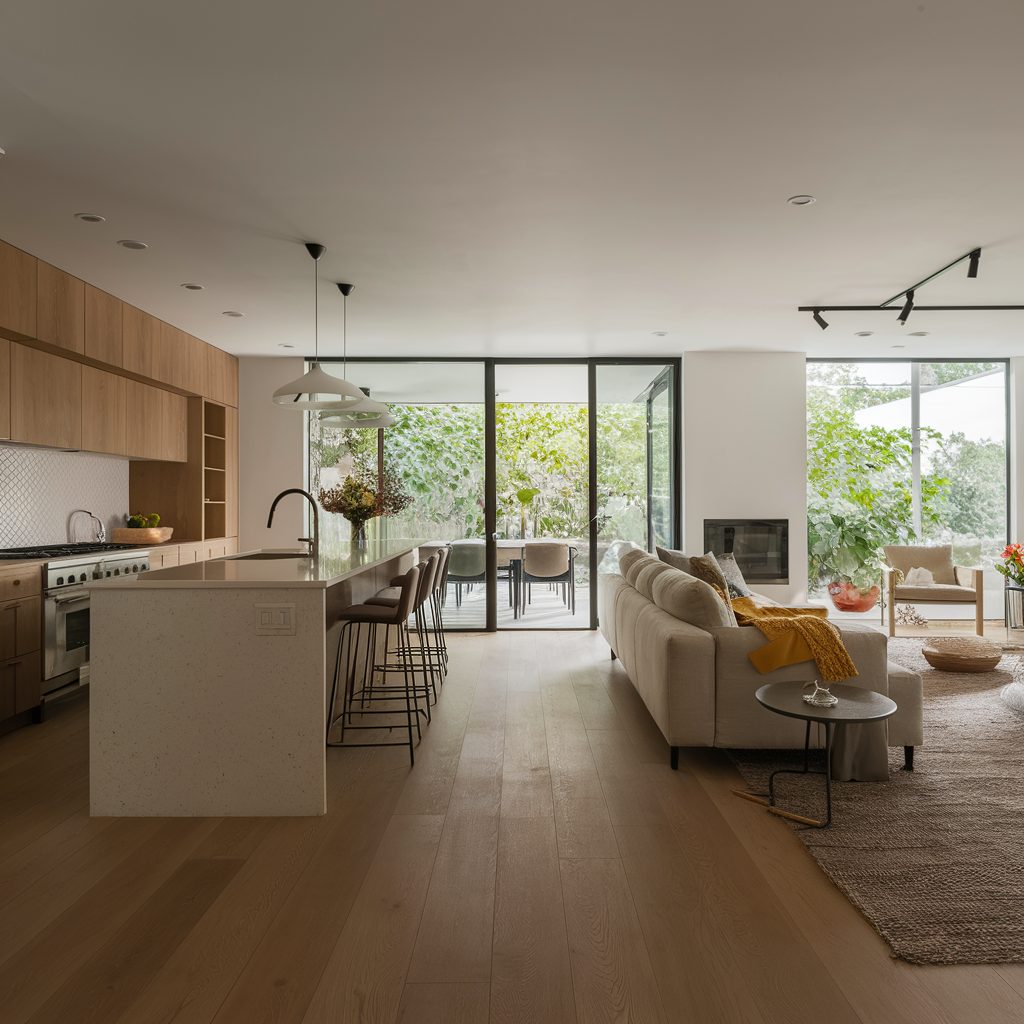
Such additions can detract from the natural sense of unity that an open plan aims to achieve. Instead, let the consistent use of materials and finishes guide the design, ensuring a smooth and visually connected flow throughout the shared living space.
Mixing Materials and Textures
Incorporating a mix of materials and textures into your open concept kitchen living room décor can significantly elevate the visual appeal and depth of the space. By thoughtfully blending elements such as metal, glass, and wood, you introduce contrast and balance that enrich the overall design.
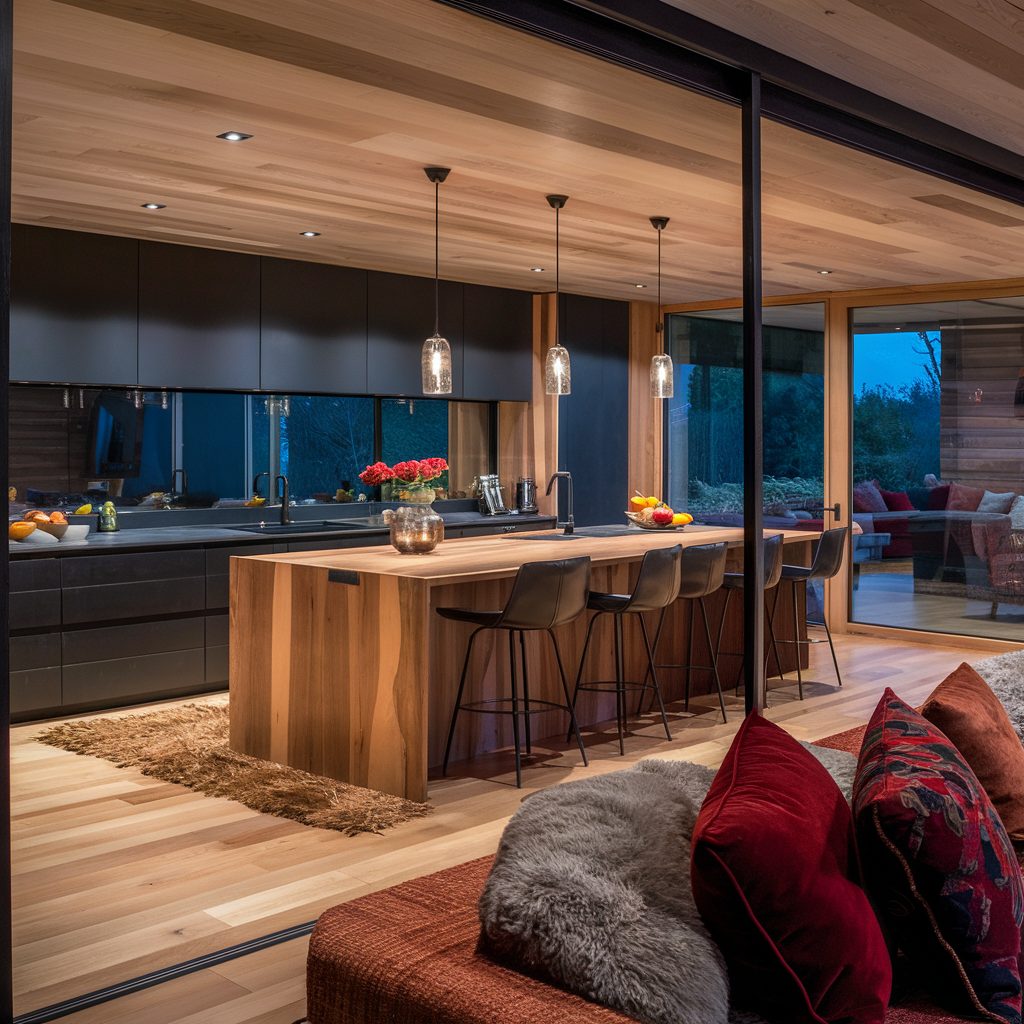
For instance, combining sleek metal fixtures or glass surfaces with warm wooden accents creates a sophisticated yet welcoming atmosphere. To soften the look and add a sense of coziness, use textured fabrics like woven cushions, plush carpets, and upholstered seating throughout the living area.
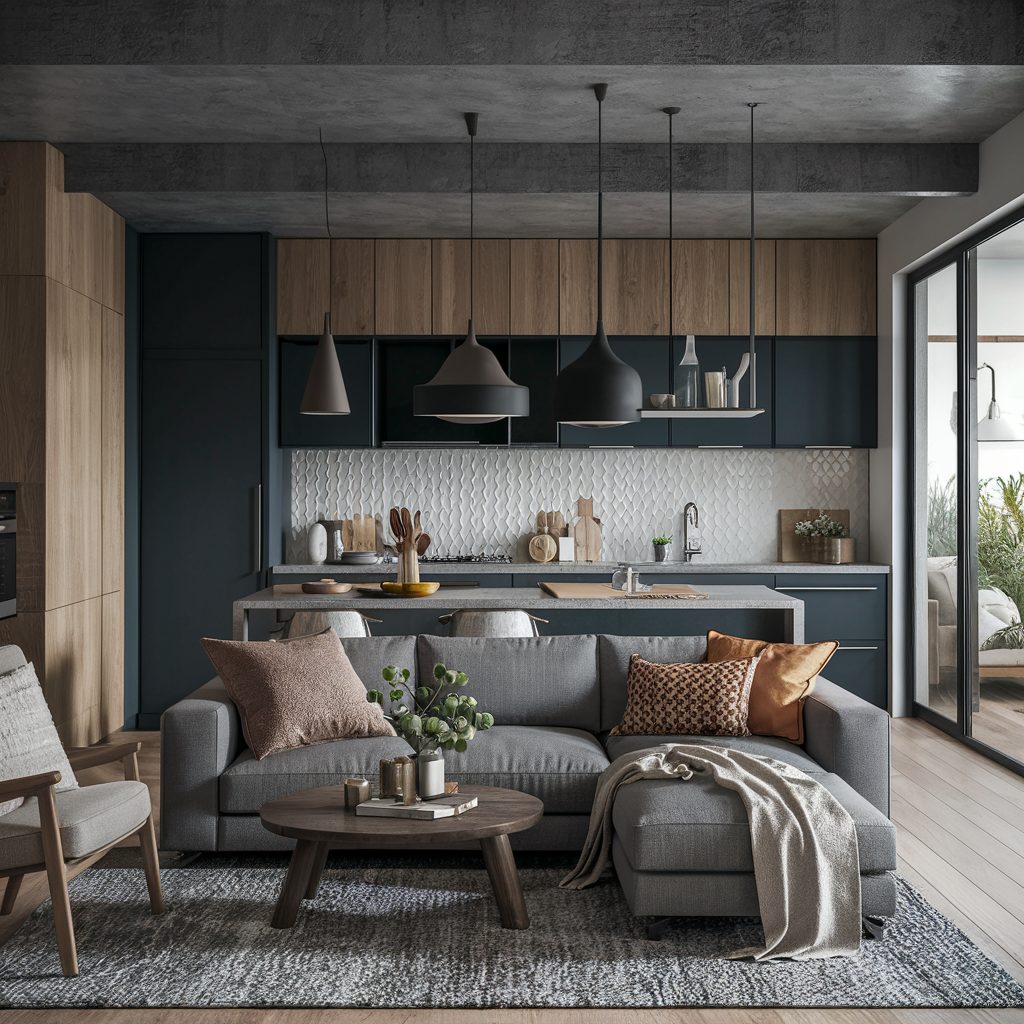
These tactile details not only provide comfort but also help define different zones within the open layout. This thoughtful layering of materials allows homeowners to infuse the space with personality, achieving a luxurious, multidimensional environment that feels both modern and inviting.
Adding Warmth with Wood Accents
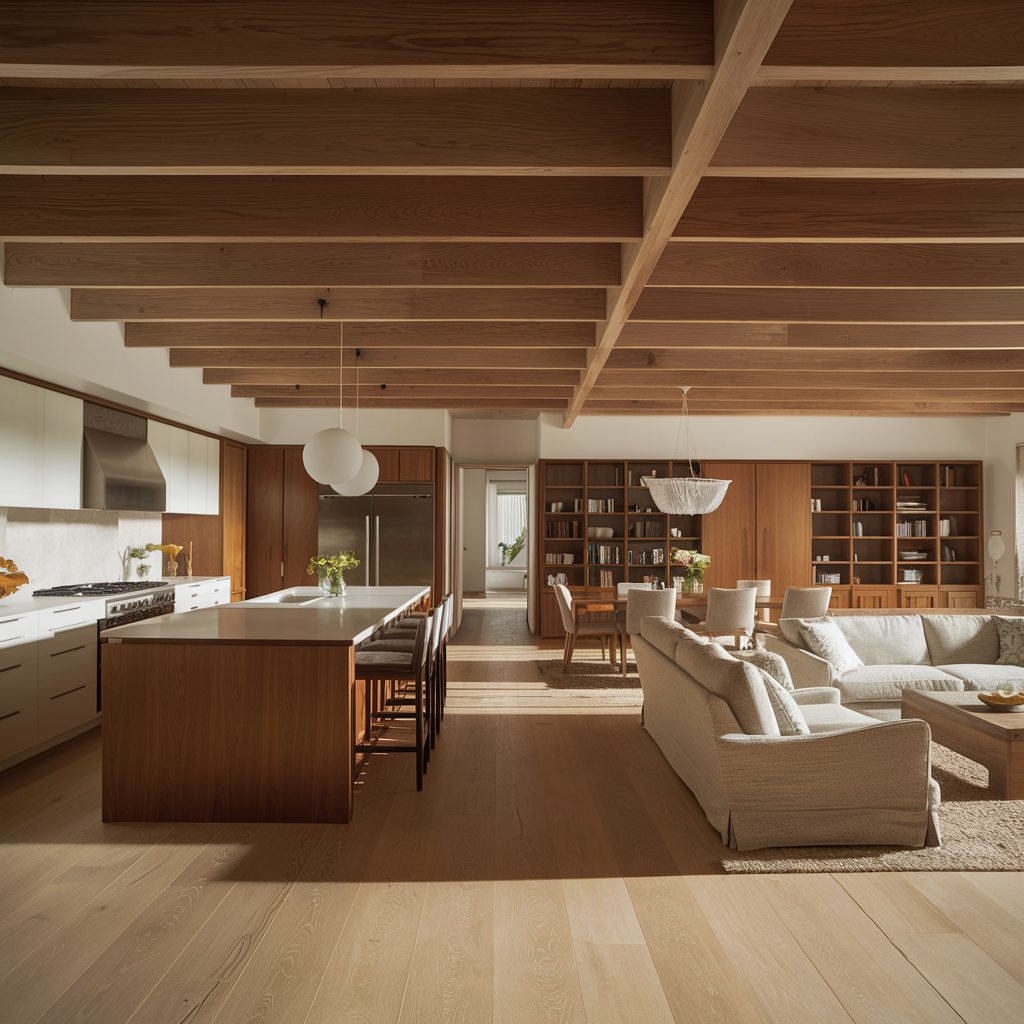
In an open concept kitchen living room, incorporating wood accents can significantly enhance both the warmth and the organic feel of the space. Wood introduces a timeless, earthy quality that brings comfort and coziness to modern interiors. You can integrate wooden elements through exposed beams, natural wood flooring, cabinetry, shelving, or furniture pieces like dining tables and accent chairs.
These features instantly create a grounded and inviting atmosphere. It’s important to select wood finishes that align with your overall design scheme—whether you’re aiming for a rustic, Scandinavian, or contemporary aesthetic. Consistency in wood tones across different areas helps tie the entire space together visually.
Additionally, the surrounding color palette should complement the warmth of the wood to enhance the ambiance further. When used thoughtfully, wooden touches not only beautify the open layout but also contribute to a balanced and serene living environment.
Designing an open concept kitchen living room can completely transform your home into a more spacious, inviting, and highly functional environment. Whether you’re working with a compact layout or a generous floor plan, thoughtful planning and well-executed design choices can help you strike the ideal balance between style and practicality.
With the right layout, materials, and furnishings, even a modest space can feel expansive and cohesive. Embrace the versatility of open living and tailor it to fit your personal lifestyle and aesthetic preferences.
We’d love to hear how you’ve approached open concept living—feel free to share your experiences, ideas, or questions in the comments section below!


