
How to Get Rid of Ants in the Bathroom?

Discovering ants crawling around your bathroom can be quite frustrating, yet it’s actually a much more widespread issue than most people realize. Bathrooms create the perfect breeding ground for ants due to the constant presence of moisture, the warm environment, and various tiny entryways through plumbing lines and tile cracks. These quiet intruders can quickly establish a colony if the conditions remain favorable.
Over the years, I’ve dealt with countless similar cases and have learned exactly what methods are most effective. In this guide, I’ll walk you through a comprehensive, step-by-step strategy designed not only to eliminate ants from your bathroom but also to stop them from coming back in the future.
Why Are Ants Attracted to Bathrooms?
Ants are frequently drawn to bathrooms for a variety of reasons, and understanding these factors is key to preventing infestations.
Moisture: Bathrooms tend to be damp and humid by nature, offering a constant source of water which ants actively seek out for survival. From wet floors to leaky faucets, this moisture-rich environment becomes a haven for them.
Food Sources: While it may seem unlikely, your bathroom actually contains several edible elements for ants. Residues like soap scum, leftover toothpaste, hair strands, and dead skin cells can serve as nourishment, essentially creating a mini buffet that attracts these pests.
Access Points: Bathrooms often have numerous small entryways that ants can exploit. Tiny gaps around plumbing fixtures, cracks between tiles, or spaces near window frames act as open doors, making it incredibly easy for ants to sneak inside and establish a presence.
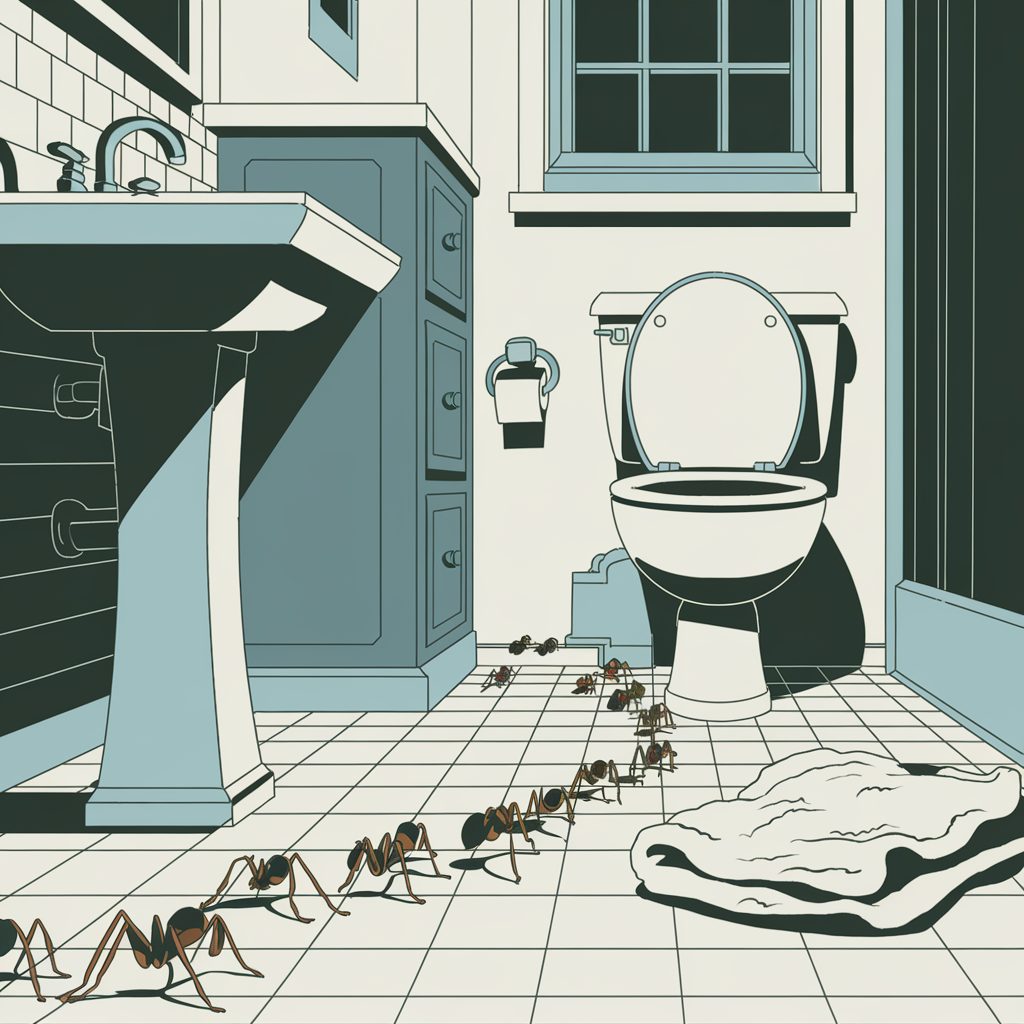
How to Get Rid of Ants in the Bathroom
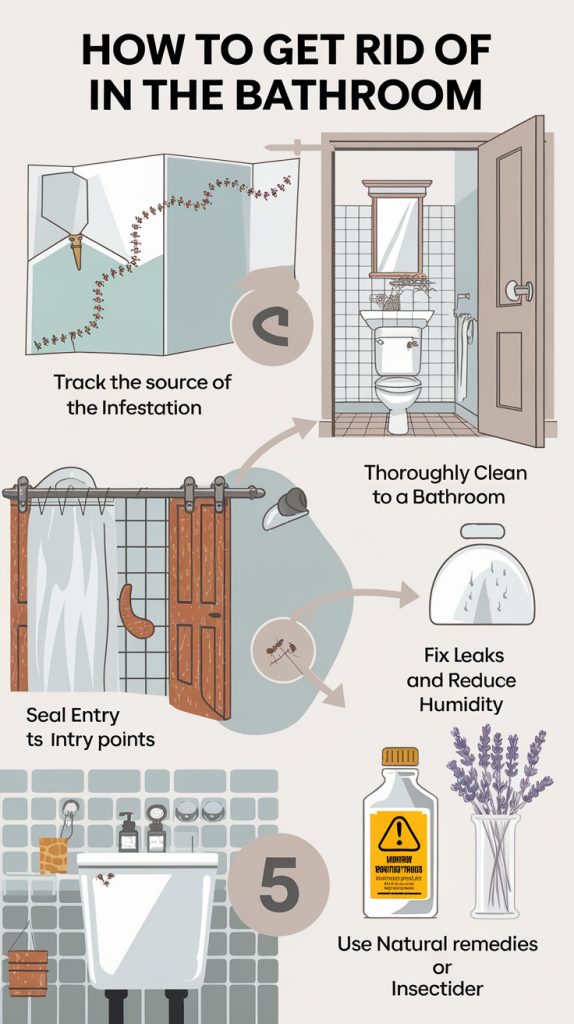
1. Track the Source of the Infestation
Ants generally navigate by following scent trails left behind by pheromones from other members of their colony. To begin tackling an infestation, your first step should be locating the specific entry points they’re using to invade your bathroom.
Common areas include gaps near window frames, around plumbing fixtures, and around drain openings. Pinpointing these access points allows you to target your ant control efforts more effectively, making your treatment more precise and impactful.
2. Deep Clean the Entire Bathroom
A thorough, top-to-bottom cleaning of your bathroom is essential in the fight against ants. Pay extra attention to frequently overlooked areas such as shower stalls, bathtub edges, and especially sinks where soap residue often builds up.
Don’t forget to remove trapped hair from the drains and sanitize all surfaces, including countertops and cabinet edges. Also, be sure to empty and clean the trash bin consistently, as leftover waste—even minimal—can attract ants back quickly.
3. Seal Off All Possible Entry Points
Use a good-quality caulk or sealant to close up small cracks and crevices surrounding windows, tile grout lines, and areas where plumbing enters or exits the walls. These tiny gaps might not seem like a big deal, but they’re actually prime gateways for ants.
Sealing them up effectively blocks off the ants’ entry routes, drastically reducing their ability to access your bathroom and start nesting.
4. Repair Leaks and Control Humidity
Persistent water leaks and lingering moisture are major contributors to ant infestations. Ants are highly attracted to leaky faucets, dripping pipes, or pooled water that remains after bathing or cleaning. It’s vital to address any plumbing issues immediately.
Additionally, improve ventilation by using bathroom fans or placing a dehumidifier in the room. Always wipe down wet surfaces like sinks and shower walls after each use to keep moisture levels low and discourage ants from returning.
| Method | Effectiveness | Notes |
|---|---|---|
| Fixing leaks | High | Prevents future water buildup |
| Running a fan | Medium | Reduces humidity |
| Using a dehumidifier | High | Ideal for constant moisture control |
5. Use Natural Remedies or Insecticides
Depending on your personal preferences and tolerance for chemicals, you can choose between natural remedies or chemical-based solutions to eliminate ants in your bathroom. Both methods can be effective, so it’s really a matter of what you’re most comfortable using in your home environment.
Natural Solutions:
If you prefer eco-friendly and non-toxic options, there are several simple yet effective remedies to consider:
Baking Soda and Vinegar for Drains: If ants are emerging from your bathroom drains, try this simple trick: sprinkle baking soda down the drain, then pour in vinegar. This combination not only helps to kill any ants lurking in the pipes but also cleans the drain and eliminates any organic material they might be feeding on.
Vinegar and Water Spray: Mix equal parts of white vinegar and water in a spray bottle. Use this mixture to thoroughly spray along baseboards, window sills, corners, and any visible ant trails. Vinegar disrupts the ants’ pheromone paths, making it difficult for them to navigate and return.
Essential Oils as Repellents: Peppermint oil and tea tree oil are both known for their strong scents that repel ants. Soak cotton balls in a few drops of either oil and place them strategically in bathroom corners, under sinks, and near doorways to create a natural barrier.
Chemical Solutions:
For those who prefer a more aggressive and fast-acting approach, chemical treatments can be very effective in eliminating ant infestations at the source. These options are designed to target not just the ants you see, but also their colonies hidden out of sight.
- Borax and Sugar Bait: Mix equal parts of borax and sugar to create a homemade bait. The sugar attracts the ants, while the borax acts as a slow-acting poison. Place small amounts of this mixture in shallow containers or on pieces of wax paper near ant trails. As the ants collect and carry the bait back to their colony, it eventually eliminates the entire nest over time.
- Commercial Ant Bait Stations: You can also purchase ready-made ant bait stations that contain pesticide-laced food. Place these baits directly along the ant paths or near identified entry points. These products are designed to work gradually, allowing the ants to consume the poison and carry it back to their nest. Over the next several days, the toxin spreads through the colony, leading to a complete wipeout of the infestation.
Preventing Future Infestations
Once you’ve successfully eliminated the ants from your bathroom, it’s essential to implement preventive measures to ensure they don’t return. By maintaining a clean and unwelcoming environment for ants, you significantly reduce the risk of a future infestation.
Maintain a Consistent Cleaning Routine:
Vacuum and mop the floors frequently, especially behind toilets, under sinks, and in tight corners where crumbs, moisture, or dust can accumulate unnoticed. Keeping these areas spotless will remove potential attractants.
Properly Store Toiletries and Personal Items:
Keep all bathroom products like shampoos, lotions—especially those with fragrance or essential oils—and other toiletry items in airtight containers. Avoid leaving them exposed on countertops, as their scents can attract ants looking for food sources.
Repair Cracked or Damaged Tiles:
Broken or chipped tiles often trap moisture underneath, which creates a damp and hidden environment ideal for ants to nest in. Address any tile damage promptly by resealing or replacing them to eliminate this risk.
Keep Plumbing in Top Shape:
Leaky faucets, dripping pipes, or clogged drains can result in standing water and constant dampness—prime conditions for ant infestations. Regularly inspect and maintain your plumbing to ensure all water sources are controlled and leaks are swiftly repaired.
FAQs About Bathroom Ants
1. Why do I keep seeing ants in my bathroom?
Ants are commonly attracted to moisture, warmth, and small traces of food-like substances such as soap residue, hair, or toothpaste. Eliminating these attractants is essential to keeping ants away.
2. How can I prevent ants from returning?
To keep ants out long-term, stick to a strict cleaning routine, fix any leaks, seal possible entry points, and consider using deterrents like vinegar or essential oil sprays to disrupt their scent trails.
3. Can ants enter through the drain?
Yes, ants can make their way into your bathroom via the drain, especially if it contains organic buildup like hair or soap scum. Regularly cleaning your drains is a key step in blocking this access route.
4. Is vinegar truly effective in getting rid of ants?
Yes, vinegar can be a surprisingly effective solution for managing small ant infestations. It works by disrupting the pheromone trails that ants use to navigate and communicate. These pheromones act like invisible maps that guide ants to food sources and back to their nest.
When vinegar is sprayed along these trails, it interferes with those chemical signals, causing confusion and ultimately breaking their path. Since vinegar is non-toxic and readily available, it’s a safe and eco-friendly method, especially for light to moderate ant problems.
5. Are ant baits safe to use around kids and pets?
Generally, ant bait stations are designed with safety in mind. The toxic substances inside are enclosed in a tamper-resistant casing, reducing the risk of direct exposure. However, safety still depends heavily on proper usage.
Always follow the manufacturer’s guidelines for placement—typically in out-of-reach areas—and avoid putting baits in places where children or pets frequently play or eat. While most commercial baits are low-risk, taking extra precautions ensures a safer home environment for everyone.


